
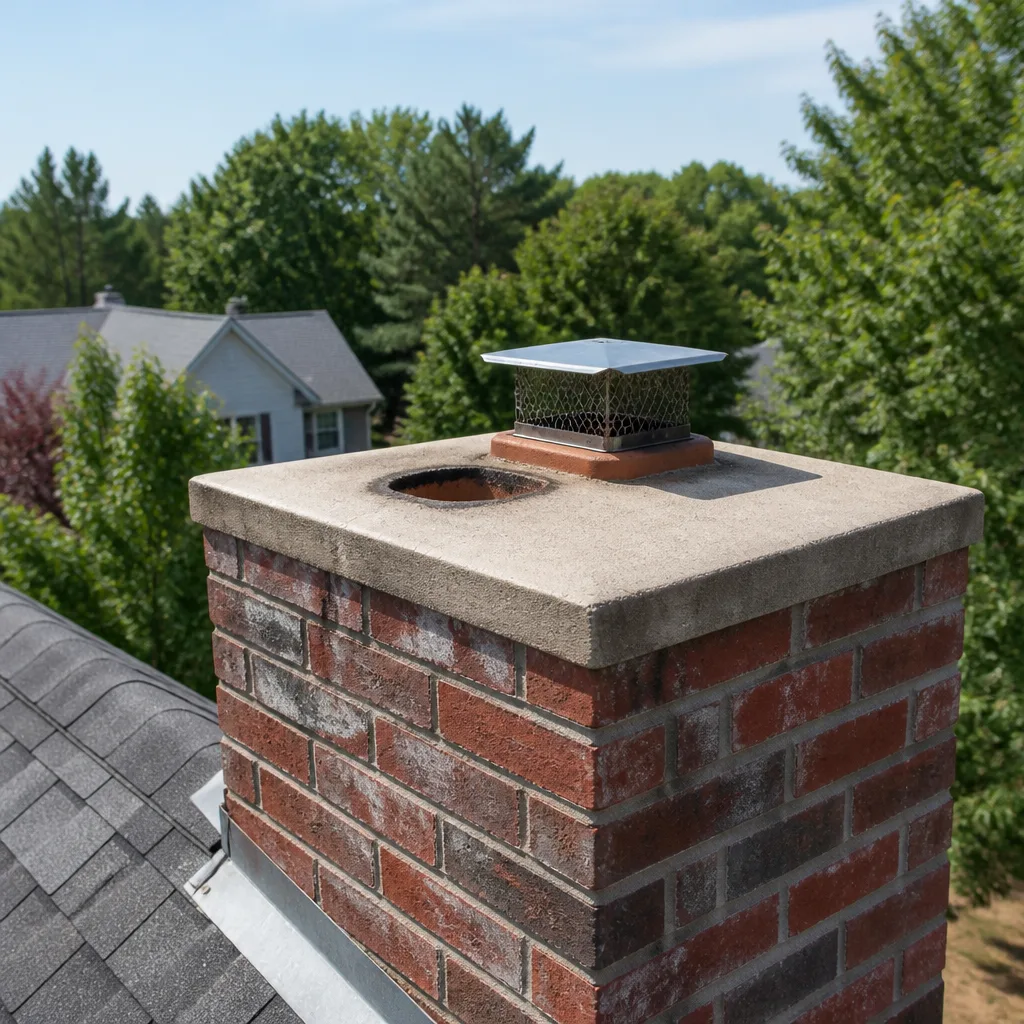
 Sweep & inspection
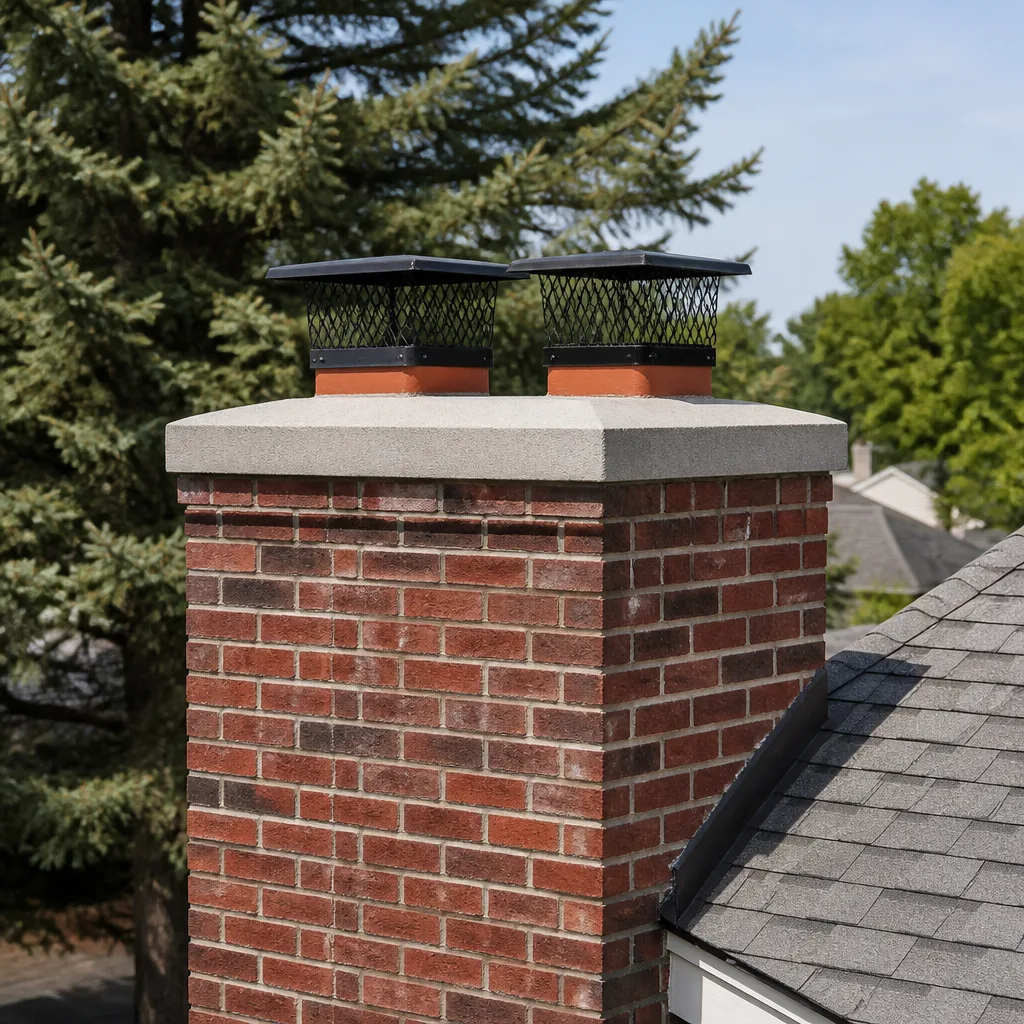 Caps & crowns
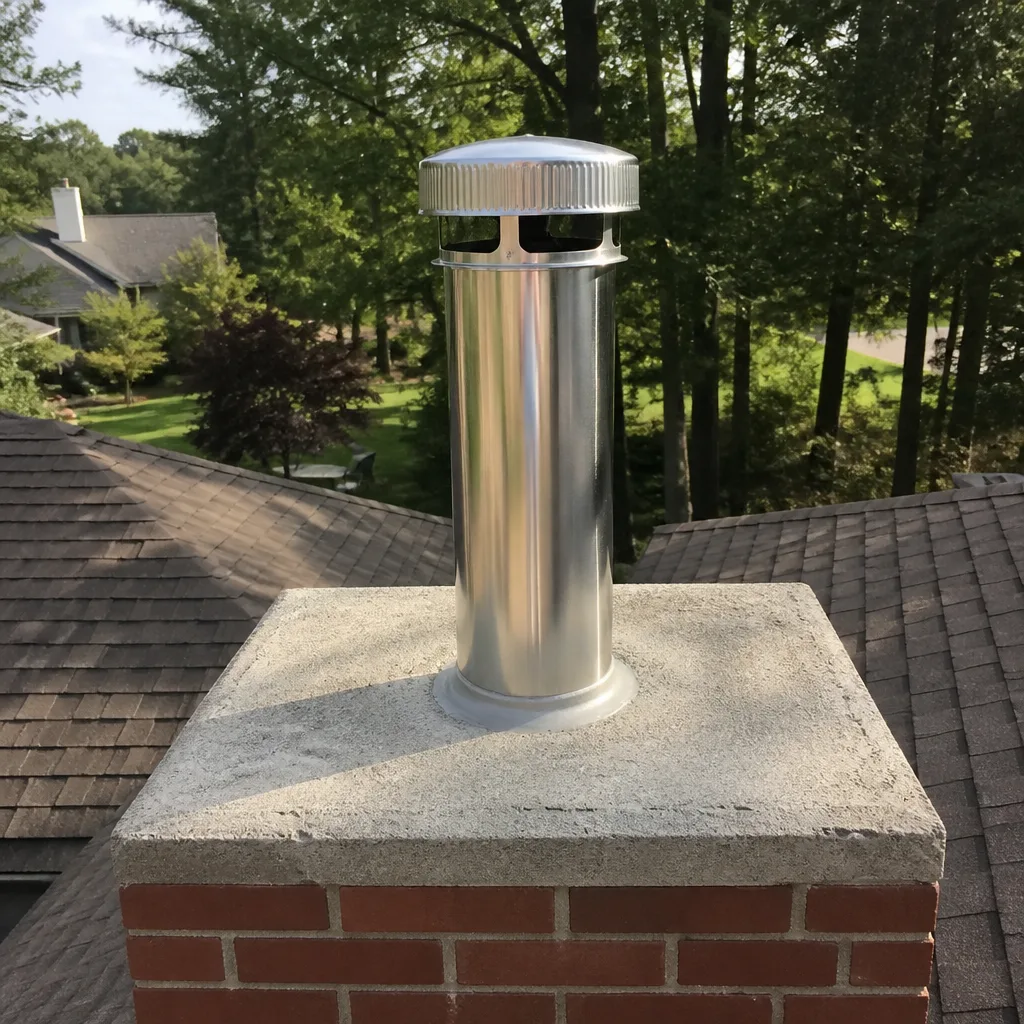 Flue relining
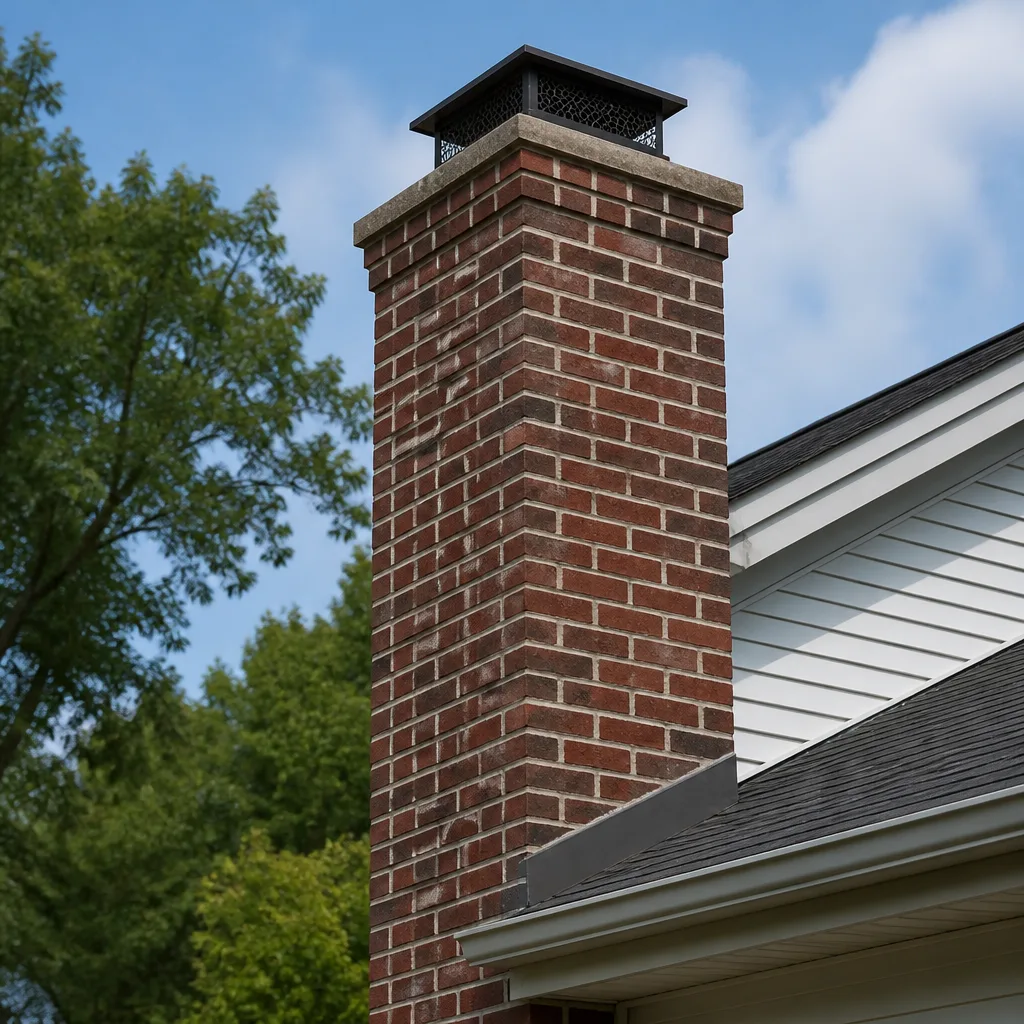 Masonry repair
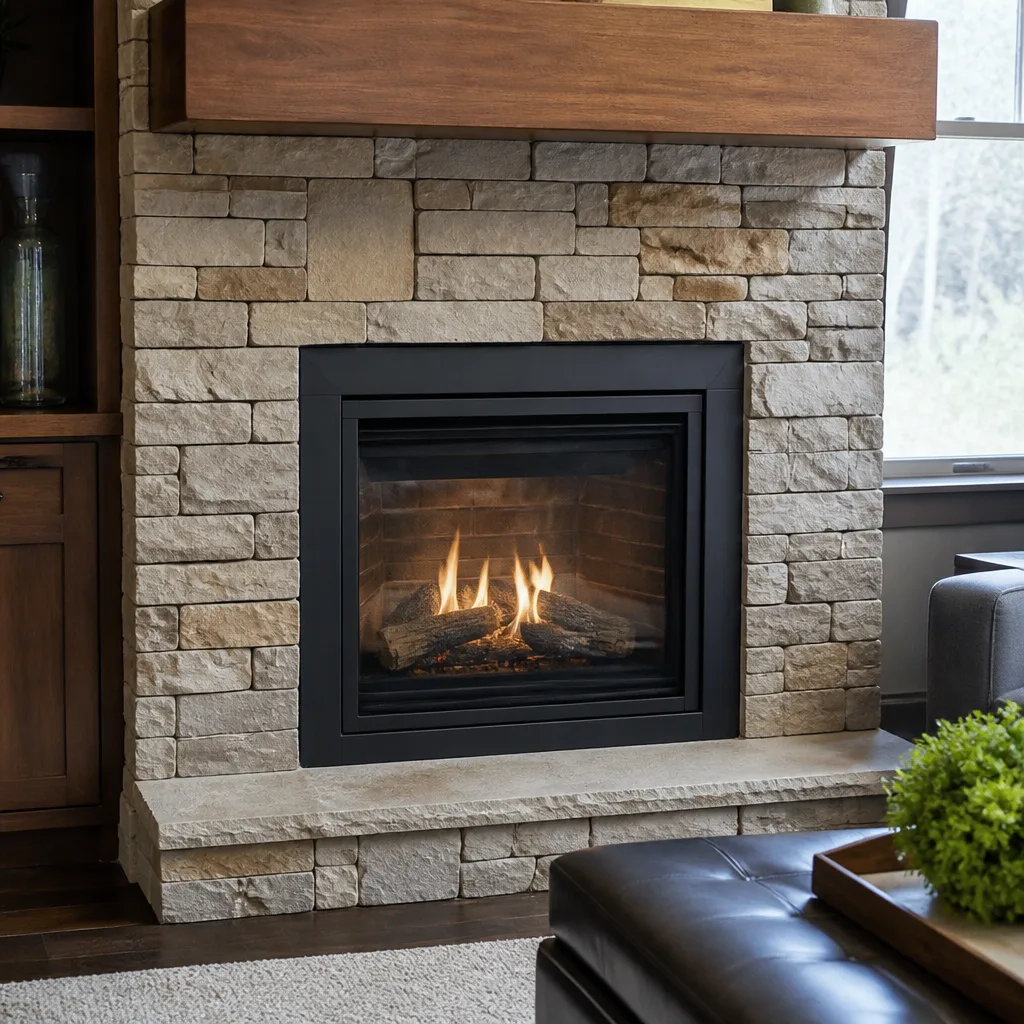 Gas fireplace service
Level 1 sweep and inspection to the NFPA 211 annual standard - flue, crown, cap, and flashing checked and photographed
Chimney sweep logs do not sweep chimneys. They loosen some creosote - which then falls where a brush and vacuum still have to collect it.
HeatShield Chimney Inspection in Dallas: What to Know First
An independent HeatShield chimney inspection in Dallas typically runs $189 to $349 for a Level 2 camera inspection, which is what most HeatShield owners need when they suspect flue damage or want to verify a previous resurfacing job. We’ll get a technician to your home within 3 to 5 business days in most Dallas neighborhoods, and every inspection includes a written report with camera footage you can see for yourself. No vague verbal summaries. If you’re noticing flue odors, crumbling joints, or water in the firebox, call (361) 264-4483 and we’ll walk you through what to expect before anyone steps onto your property.
This page is for Dallas homeowners who have HeatShield resurfacing in their chimney and want to know whether it’s still doing its job. You won’t find a manufacturer’s marketing pitch here. You’ll find what our technicians actually see when HeatShield fails, what it costs to address, and how we inspect it without voiding whatever warranty life may remain.
How HeatShield Products Fail – and How We Fix Them
HeatShield is a cerfractory flue sealant, a ceramic-cement material applied to the inside of a clay tile liner to fill cracks, gaps, and spalling. When it’s installed correctly and cured properly, it works. When conditions aren’t right, it fails in predictable ways. Here’s what we see on HeatShield inspections across Dallas:
- Flaking and delamination at the smoke chamber transition. The HeatShield Cerfractory Flue Sealant series doesn’t bond well to creosote-heavy or moisture-damaged clay tile. If the original installer skipped a thorough cleaning before application, heat cycles cause the material to separate in sheets. On inspection, we see what looks like peeling paint inside the flue. The fix is removing the loose material and reapplying over a properly prepped surface, or if coverage is too thin, a full reline.
- Gaps at the flue tile joints on HeatShield Joint Repair System jobs. HeatShield’s Joint Repair System is meant to seal the mortar joints between clay tiles. In Dallas, our summer attic heat and winter cold snaps cause repeated expansion and contraction of the tile liner. We regularly see hairline cracks at the 4-foot and 8-foot marks, where thermal stress concentrates. A camera inspection shows these clearly. Fixing them means injecting fresh joint sealant at the failure points, not recoating the whole flue.
- Water intrusion through the crown migrating behind the HeatShield layer. HeatShield does not waterproof your chimney. If the crown is cracked and water gets between the clay tile and the cerfractory layer, freeze-thaw cycles in Dallas winters can push the material off the tile in chunks. We find this most often on homes in Lake Highlands and East Dallas where chimneys face prevailing winds and rain. The fix starts with a crown repair or replacement before any HeatShield work makes sense. Resurfacing over a leaking crown just guarantees another failure within two years.
- Acidic condensate breakdown on gas fireplace flues. HeatShield’s Flue Sealant for gas applications is rated for gas flue gases, but we’ve found it degrades faster than expected when the gas logs run continuously during Dallas cold snaps. The condensate from natural gas combustion is mildly acidic, and over five to seven years it can soften the HeatShield surface. During inspection, we’ll feel a chalky texture on the flue wall, which is the first sign of material breakdown. If the flue is still structurally sound, we’ll often recommend a high-temp acid-resistant sealant in place of another HeatShield application.
- HeatShield over failing parging, not replacing it. This is the big one. HeatShield is a sealant, not a structural repair. We’ve inspected chimneys in older Dallas neighborhoods like Winnetka Heights where a contractor applied HeatShield over a smoke chamber with parging that was already failing. The HeatShield just falls away with the old material underneath it. Our inspection report will always distinguish between surface sealant failure and failure of what’s underneath. If the substrate is gone, no amount of HeatShield will fix it. That chimney needs a stainless reline, and we’ll tell you that plainly.
Styles & brands we work with
Our HeatShield Chimney Inspection Process
Here’s exactly how a HeatShield inspection works when you call Alcott Chimney Dallas:
- 1
You call (361) 264-4483 and speak to a live person. We ask about your chimney’s history, whether you have HeatShield paperwork, and what symptoms you’re seeing. Then we schedule a visit that fits your timeline.
- 2
You get your technician’s name and photo before the visit. Our technicians are background-checked and identity-verified under the Threshold Standard. The person you’re expecting at the door is the person who shows up, badge in hand.
- 3
We inspect with a Level 1 or Level 2 camera check. For most HeatShield concerns, we run a camera up the flue and record the entire pass. You’ll see the footage with us in real time or in the written report afterward. We’re looking for delamination, cracks, gaps, and material loss.
- 4
We decide OEM vs. aftermarket parts together. If your HeatShield needs repair, we’ll price genuine HeatShield material and explain when a comparable product like a DuraFlex stainless liner or a Gelco sealant would serve you better long-term. You get the numbers written down before any work starts.
- 5
The work gets done, tested, and documented. After any repair, we run the camera again to confirm the fix. You get a written report with photos and footage.
- 6
The 365-Day Done Right Promise kicks in. Every repair carries a written guarantee. If it fails within the coverage period, we return and make it right at no charge. That’s not negotiable, it’s standard.
See the difference
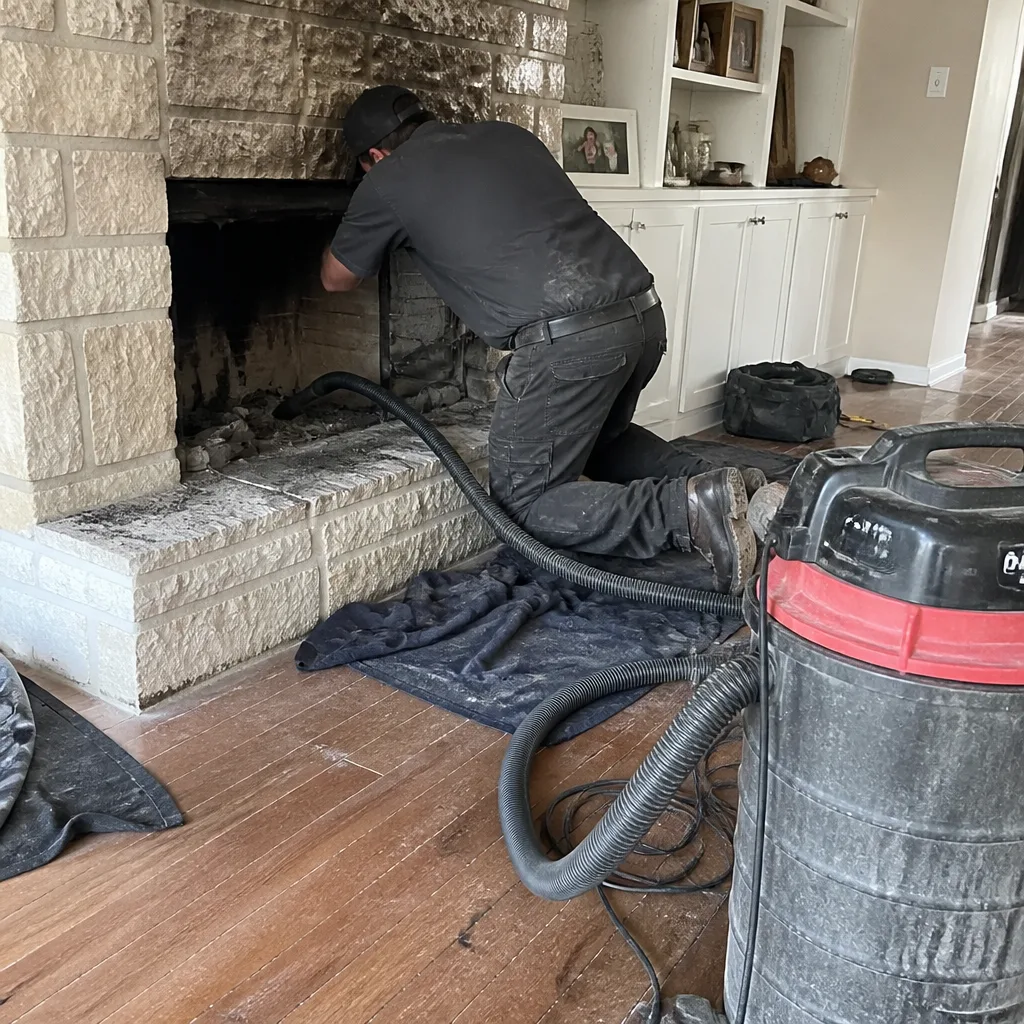 Before
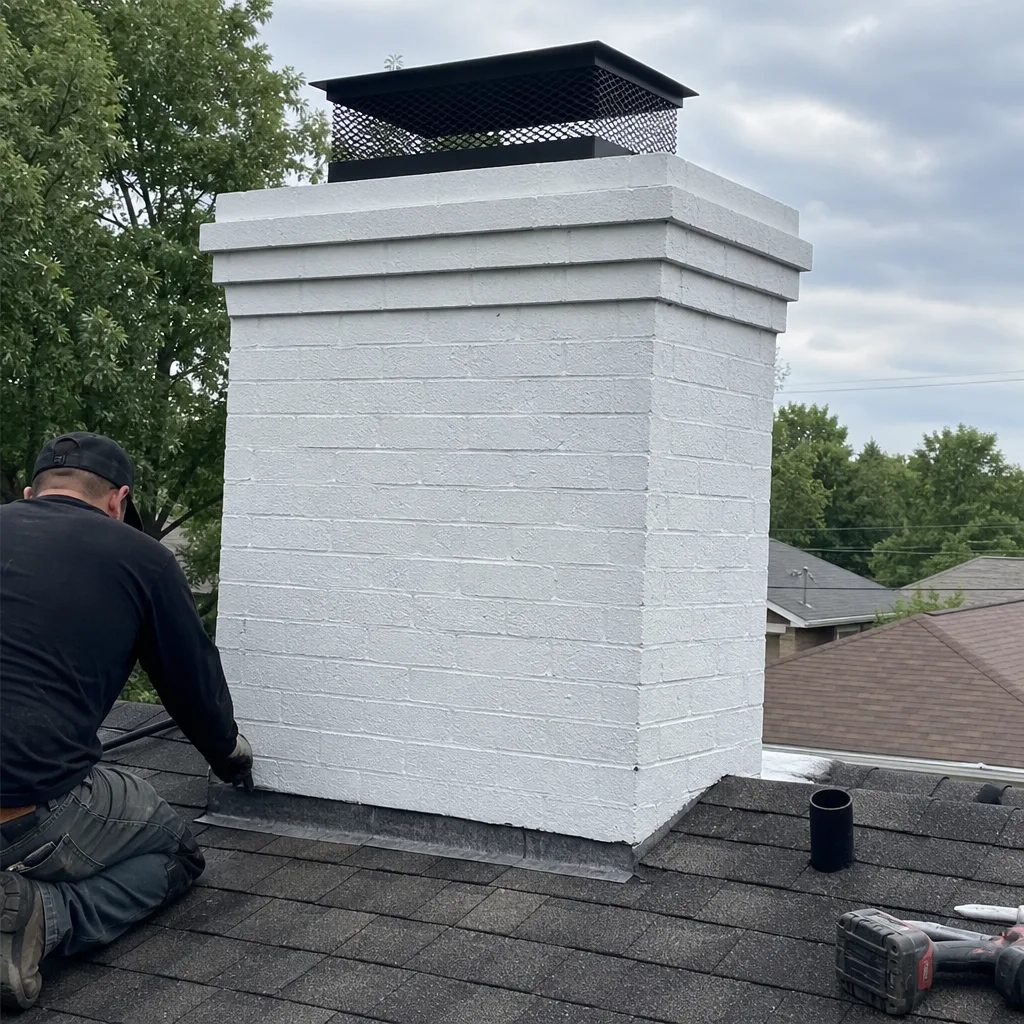 After
After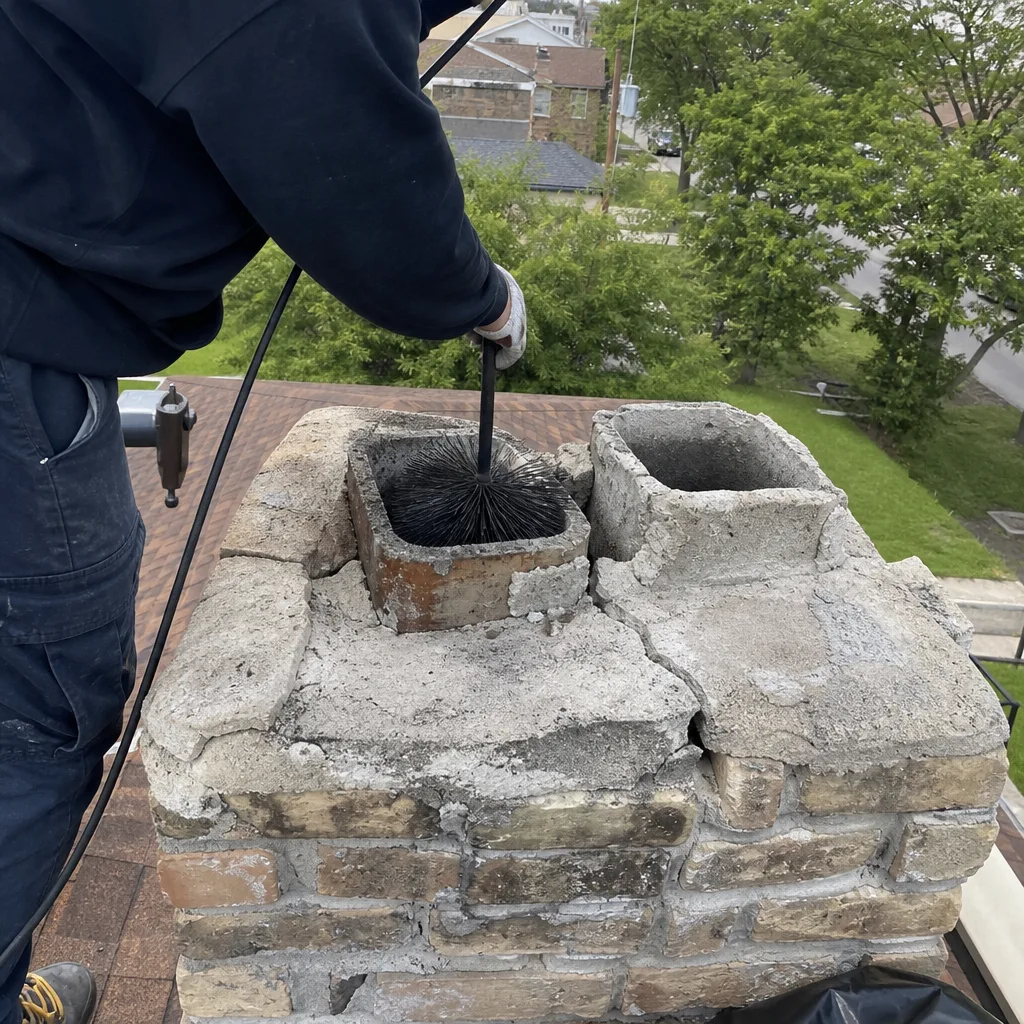 Before
 After
After Before
 After
AfterWhat HeatShield Chimney Inspection Costs in Dallas
Here are the price ranges we quote for HeatShield-related work in Dallas:
- Level 1 visual inspection (no issues suspected): $129 – $179
- Level 2 camera inspection (standard for HeatShield concern, real estate, or after weather events): $189 – $349
- HeatShield spot repair (small delaminated area, one flue tile section): $300 – $650
- Full flue resurfacing with HeatShield: $2,800 – $5,500 depending on flue height and accessibility
- Smoke chamber parge and seal: $900 – $1,800
What moves the price is flue height, roof pitch, and whether we’re working from a ladder or need a lift. Every quote is written, and it’s yours before any work begins. No surprises at the end. Call (361) 264-4483 for a free estimate on your specific setup.
Why Dallas Homeowners Call Alcott Chimney Dallas for HeatShield Work
Ruben Castellano built this company on a straightforward principle: tell you what’s there, tell you what it costs, do the work. That’s the whole job. When it comes to HeatShield, we’re not emotionally invested in selling you another coat. We’ll tell you if your existing HeatShield is fine, if it needs spot work, or if you’d be better served by switching to a different system entirely. We carry HeatShield because it has legitimate applications, but we also install DuraFlex stainless liners and use Gelco sealants when that’s the smarter fix. You get a recommendation based on what the camera shows, not what’s on the truck. And because we’ve been serving Dallas homes since 2002 as part of the Threshold Group family, every technician who steps on your property is background-checked, identity-verified, and announced to you by name and photo beforehand. You’ll know who’s at the door before you open it.
FAQs
No. HeatShield’s warranty terms cover the material, and a professional camera inspection does not void coverage. In fact, we document the inspection with video and a written report, which gives you a record to use if you ever file a warranty claim with the original installer. As an independent HeatShield service provider, we are not affiliated with the manufacturer, but we inspect to the same standards the manufacturer expects.
You’ll notice one of three things: flue odors in the house when the fireplace isn’t in use, small flakes of ceramic material in the firebox or smoke shelf, or visible cracks in the flue when you shine a flashlight up from below. All three are signs the cerfractory layer is separating. Call (361) 264-4483 and we’ll confirm with a camera inspection, usually within the week.
Yes, if the damage is localized. Small delaminated areas can be spot-repaired with fresh HeatShield material after proper surface preparation. If the failure covers more than about 30% of the flue surface, or if the underlying clay tile is deteriorating, a stainless reline with DuraFlex is usually the better investment. We’ll show you the camera footage and walk you through both options with written pricing before you decide.
Dallas sees wide temperature swings and occasional freeze-thaw cycles in winter. The repeated expansion and contraction of clay tile liners puts stress on HeatShield’s bond at the mortar joints. In areas like Lake Highlands and East Dallas where chimneys face open exposure, we see more weather-related flaking than in sheltered urban lots. An annual inspection catches this early, before a small delamination becomes a full flue failure.
Most inspections in Dallas are scheduled within 3 to 5 business days. If you smell smoke or see water in the firebox, tell us when you call and we’ll work to get someone out sooner. The call is answered by a live person around the clock at (361) 264-4483.
Written by Ruben Castellano, Owner, Alcott Chimney Dallas at Alcott Chimney Dallas, serving Dallas and nearby areas.