
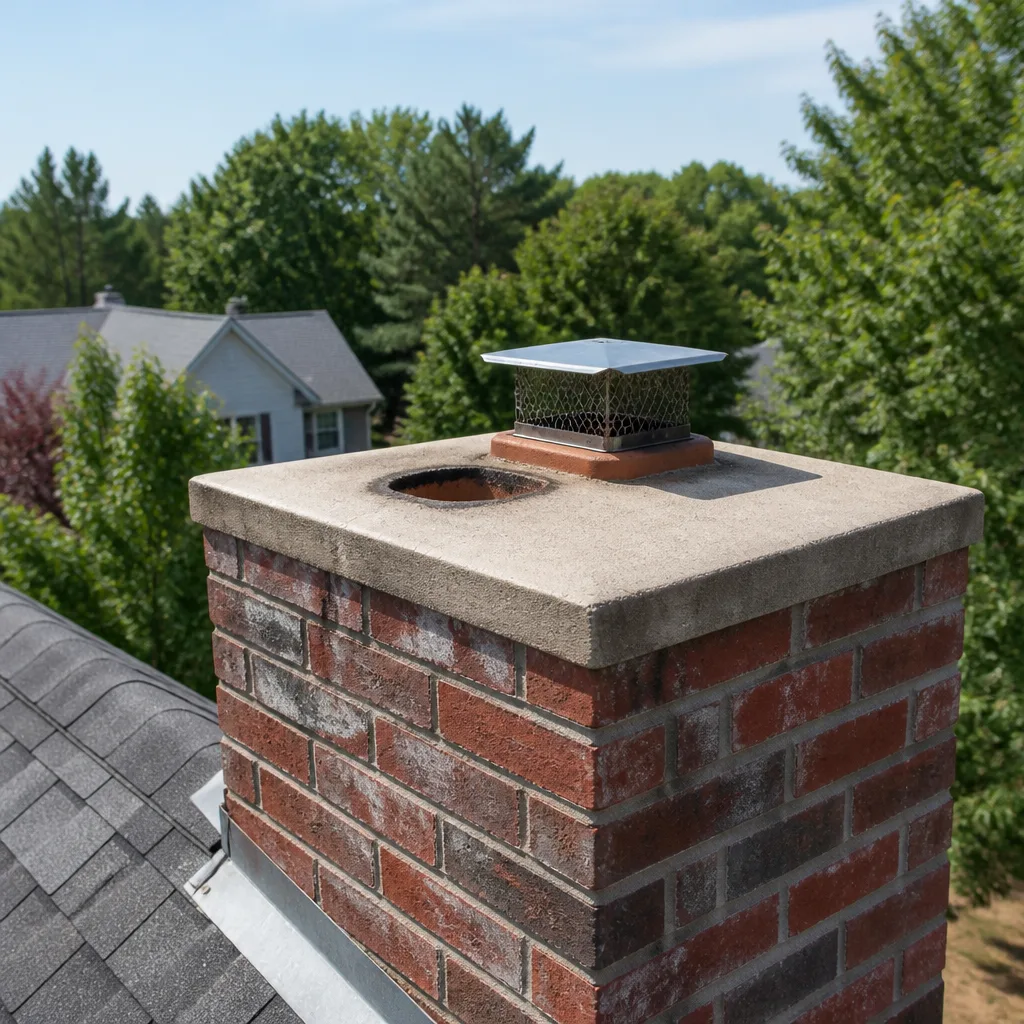
 Sweep & inspection
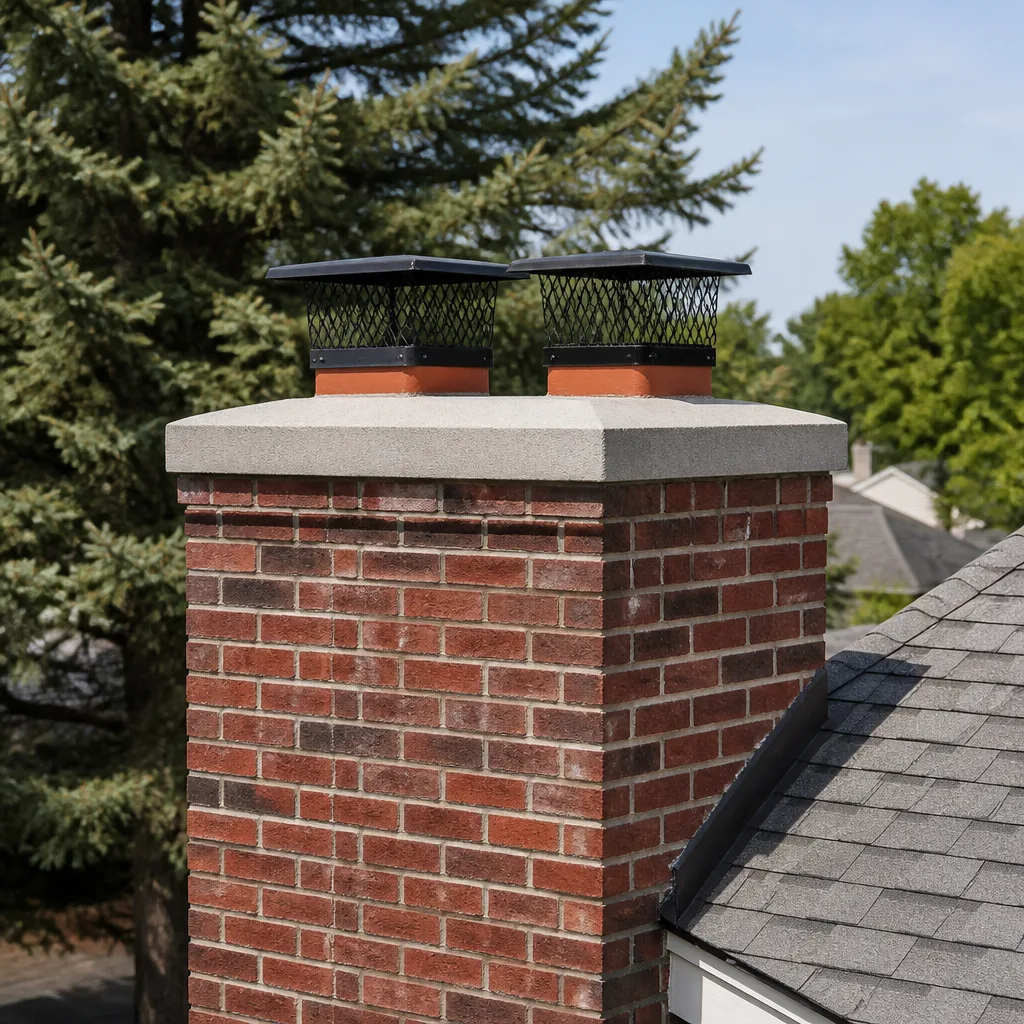 Caps & crowns
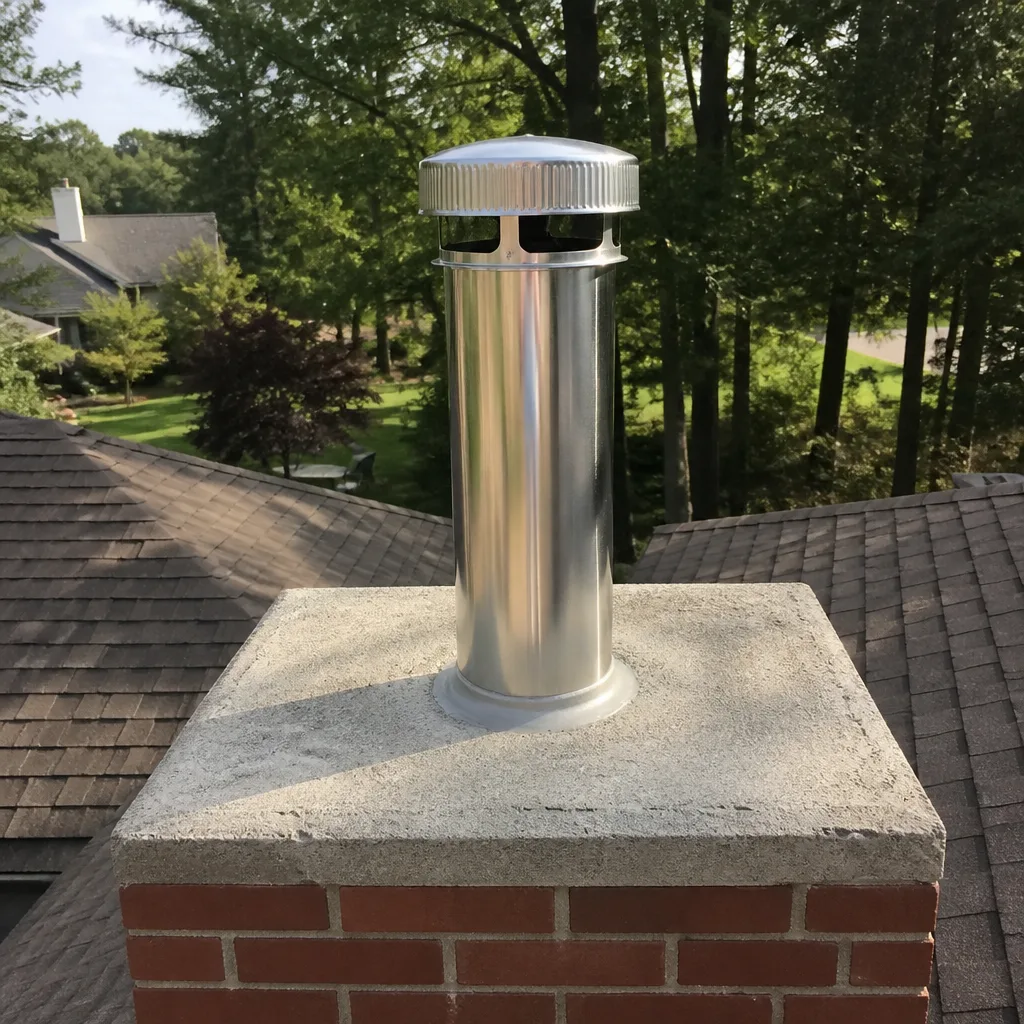 Flue relining
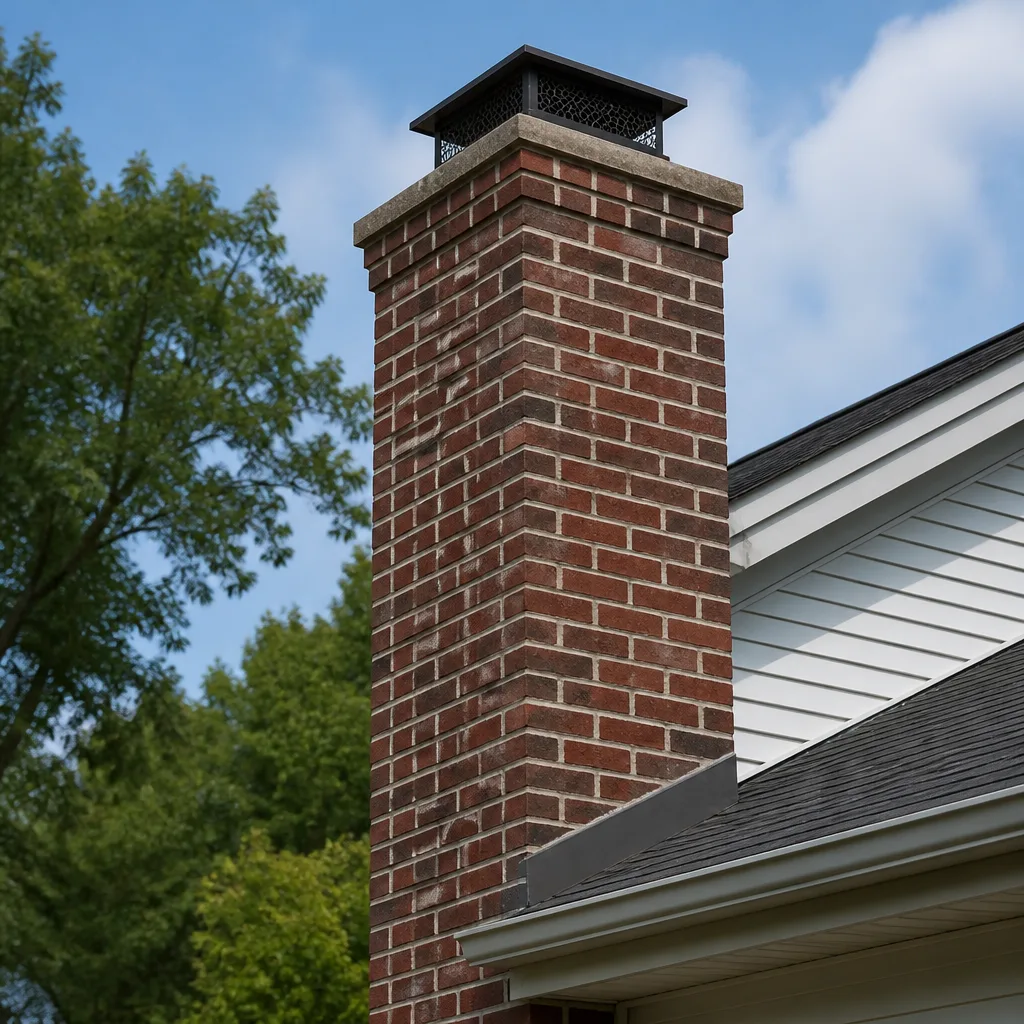 Masonry repair
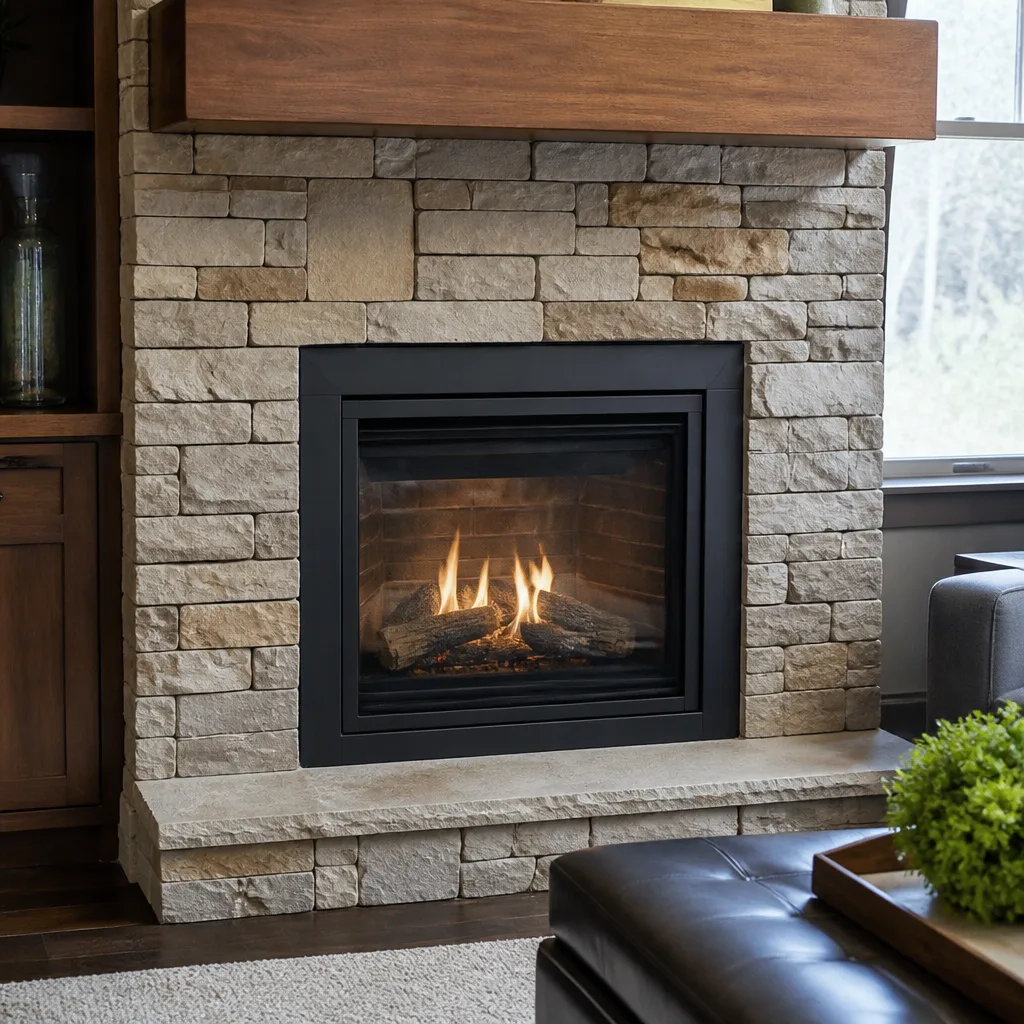 Gas fireplace service
Level 1 sweep and inspection to the NFPA 211 annual standard - flue, crown, cap, and flashing checked and photographed
Chimney sweep logs do not sweep chimneys. They loosen some creosote - which then falls where a brush and vacuum still have to collect it.
Fast, Reliable Chimney Sweep Across Grand Prairie
A chimney sweep in Grand Prairie typically runs $189 to $329 for a standard cleaning of a single-flue masonry fireplace, depending on creosote load and liner condition. We’re the crew that shows up when you call, with a live person answering at (361) 264-4483, and a technician you’ve already seen by name and photo before the truck pulls up. Grand Prairie’s mix of 1950s brick ranches and newer suburban builds means no two flues are the same, and we work both sides of that divide every week.
What matters here is that we know Grand Prairie’s older neighborhoods near Main Street and the historic downtown districts better than most. Those mid-century homes have original masonry chimneys that behave differently than the prefab units out in newer developments near Lake Ridge or Mira Lagos. The clay-heavy soil, the freeze-thaw cycles, the summer humidity: all of it works against mortar and tile liners. A sweep is rarely just a brush through the flue here. It’s a check on whether the whole system is still safe.
Why Alcott Chimney Dallas Is Grand Prairie’s Preferred Chimney Sweep Company
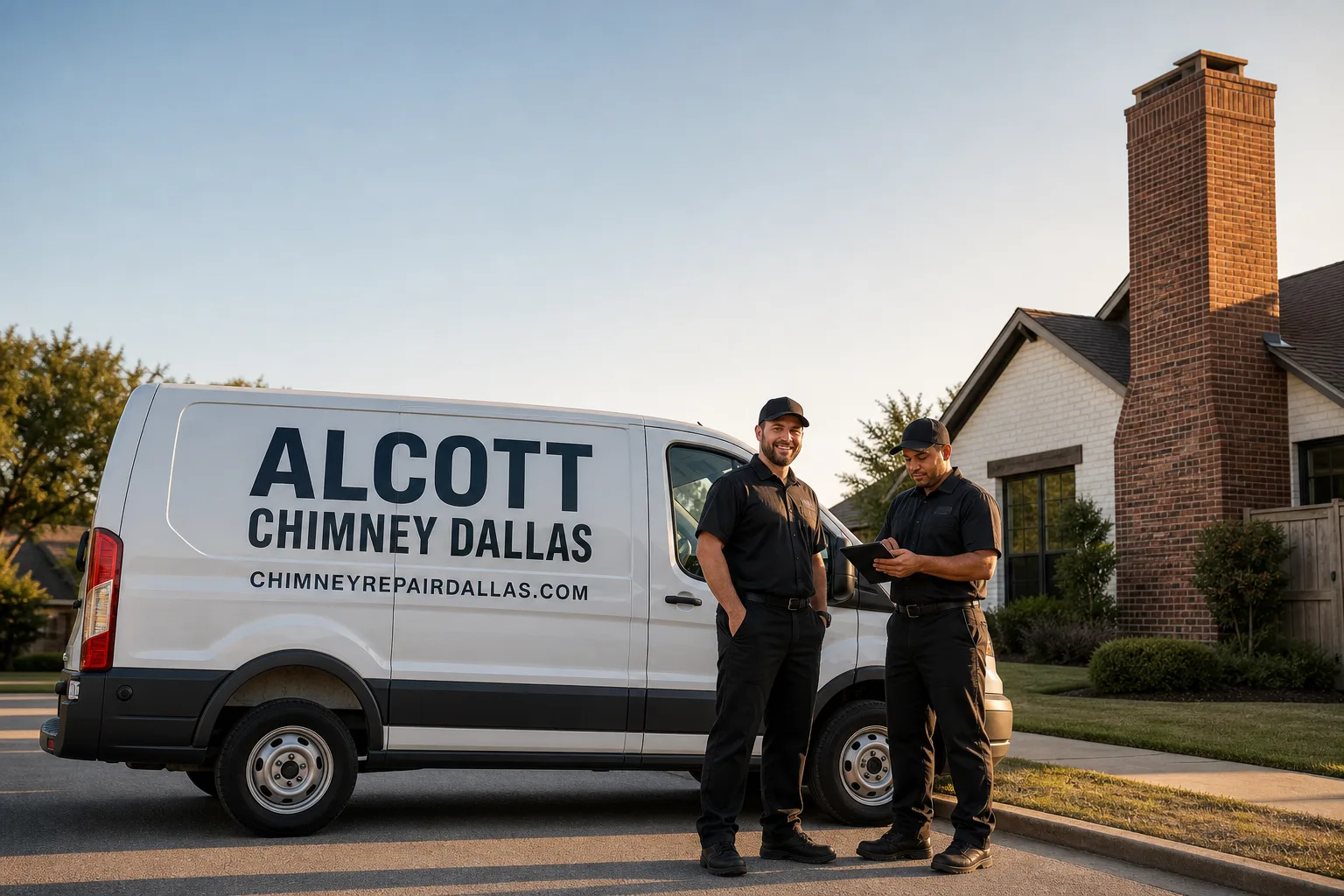
Alcott Chimney Dallas has served homeowners since 2002, and our Chimney Sweep crews work Grand Prairie jobs every week. Ruben Castellano runs our operation with a simple rule: the person who walks through your door is the person you expected. Every technician is background-checked and identity-verified under what we call the Threshold Standard. Before any visit, you get the tech’s name and photo. At the door, they show a photo ID badge. No exceptions. That matters when you’re home alone, or when your kids are in the next room.
Grand Prairie homeowners tell us the same thing: they want a chimney company that doesn’t disappear after the job. Our written guarantee covers every repair, and if a repair fails within its coverage period, the second visit is free. That’s the 365-Day Done Right Promise, and it applies to sweeps, inspections, and liner work alike. You’ll also get a written price before any work starts, always. What we quote is what you pay.
We know the drive into Grand Prairie from the Dallas-Fort Worth metro office, and we schedule crews to arrive when we say we will. If you’re off Carrier Parkway or near the I-20 and Great Southwest Parkway corridor, we’ve likely swept a chimney on your block this season. Local knowledge is the difference between a routine sweep and one that catches a cracked crown before the next thunderstorm.
Styles & brands we work with
Chimney Cleaning in Grand Prairie
Chimney cleaning in Grand Prairie is the core service for any homeowner with a wood-burning fireplace, and in this city it often means dealing with creosote, the tar-like byproduct of burning that builds up along flue walls. In older 1950s-to-1970s brick ranches near Main Street and the historic downtown, that creosote is frequently third-degree: a hard, glazed coating that a standard wire brush simply cannot remove. We see it in unlined flues and in clay tile liners that have cracked over decades of thermal stress. A standard chimney cleaning in Grand Prairie runs $189 to $279 for a straightforward single-flue fireplace. Creosote removal for heavy glaze adds time and runs closer to $279 to $329.
Creosote Removal and Soot Removal
Creosote removal is the part of a Grand Prairie sweep that prevents chimney fires. Left alone, creosote ignites at around 451 degrees Fahrenheit, and a hot ember from your next fire is all it takes. Soot, by contrast, is softer and less flammable but still narrows the flue and suppresses draft. In Grand Prairie’s older homes, where flues were often built unlined or with clay tile, both problems compound fast.
We remove creosote and soot using brushes sized to your flue, and when the glaze is too hard for mechanical cleaning alone, we use professional-grade chemical treatments to break it down. That’s not a shortcut; it’s the correct method for a third-degree tar glaze. After the sweep, we inspect the flue with a camera so you can see exactly what was removed and what remains.
Annual Sweep
An annual sweep in Grand Prairie is the cheapest insurance you can buy for a wood-burning fireplace. The National Fire Protection Association recommends a sweep whenever creosote reaches 1/8 inch thickness, and for most Grand Prairie burners, that happens once a year. If you burn soft woods or unseasoned pine purchased from roadside lots near Joe Pool Lake, you’ll build creosote faster than someone burning seasoned oak.
We book annual sweeps year-round, but the smart window in Grand Prairie is late summer to early fall, before the first cold front and before the holiday burn season. A clean flue in October means a safe fire in December.
Fireplace Cleaning in Grand Prairie
Fireplace cleaning in Grand Prairie covers the firebox, the hearth, the damper, and the visible masonry plus the flue above it. If you’ve noticed a stale smoke smell in your living room after a heavy rain, or ash dust drifting onto your furniture, the fireplace usually needs more than a surface wipe. Our crews clean the firebox, remove ash and debris, inspect the damper for proper seating, and clear the smoke shelf that traps soot and small animal nests. In Grand Prairie’s brick ranch homes, the smoke shelf is often a neglected catch-all for years of debris. Fireplace cleaning here runs $149 to $249 when paired with a standard chimney cleaning.
Gas Log Fireplace Cleaning
Gas log sets still need cleaning, and in Grand Prairie we service more of them than most people expect. Soot buildup on ceramic logs dulls the flame, clogs the ports, and can cause incomplete combustion that pumps carbon monoxide into the house. The danger is especially real in attached properties where a gas log set vents into a shared flue. We clean the logs, check the burner, verify the vent path, and confirm the carbon monoxide detector in your home is working.
Fireplace Damper Inspection
A damper that doesn’t seal properly lets conditioned air escape up the flue during Texas summers. In Grand Prairie, where air conditioners run from May through September, a leaky damper quietly raises your electric bill every month. We inspect the damper during every fireplace cleaning and tell you honestly if it needs adjustment, lubrication, or replacement. The replacement is quoted in writing before any work begins.
Trusted Brands We Service in Grand Prairie
We work with professional-grade trade materials, not box-store substitutes. For Grand Prairie customers, that means HeatShield resurfacing systems for deteriorated clay tile liners, Gelco and Olympia Chimney components for dampers and caps, and Famco for venting and air-distribution parts. We keep commonly needed parts stocked for fast turnaround on Grand Prairie jobs, so you’re not waiting on a second visit while we order a piece from somewhere else. When a liner needs rebuilding or a crown needs sealing, we’re using the same brands chimney professionals specify nationwide.
Common Chimney Sweep Problems We See in Grand Prairie Homes
- Shared flues in attached properties: Grand Prairie’s older brick ranch neighborhoods near Main Street have a high concentration of attached or closely spaced homes where flues were sometimes built as shared stacks. Sweeping a shared stack without knowing which unit feeds which flue is how a neighbor’s gas log set turns into a carbon monoxide source in your home.
- Third-degree creosote in unlined 1950s flues: Older Grand Prairie homes were frequently built without clay tile liners, or with liners that have since spalled and cracked. A standard brush on a glazed tar deposit leaves the fire hazard in place and can damage already weakened brick.
- Chimney crown damage after Texas thunderstorms: Grand Prairie gets hard, fast rain, and a cracked crown lets water seep into the flue and the masonry. We see water stains on ceilings after a big storm as the first visible sign that a crown has failed.
- Clay-tile liner deterioration: The city’s clay-heavy soil and freeze-thaw cycles accelerate mortar joint deterioration. Grand Prairie’s pre-1980s homes with original clay tile liners are the ones where we most often find cracked tiles, gaps, and the carbon monoxide risk that comes with a compromised flue.
See the difference
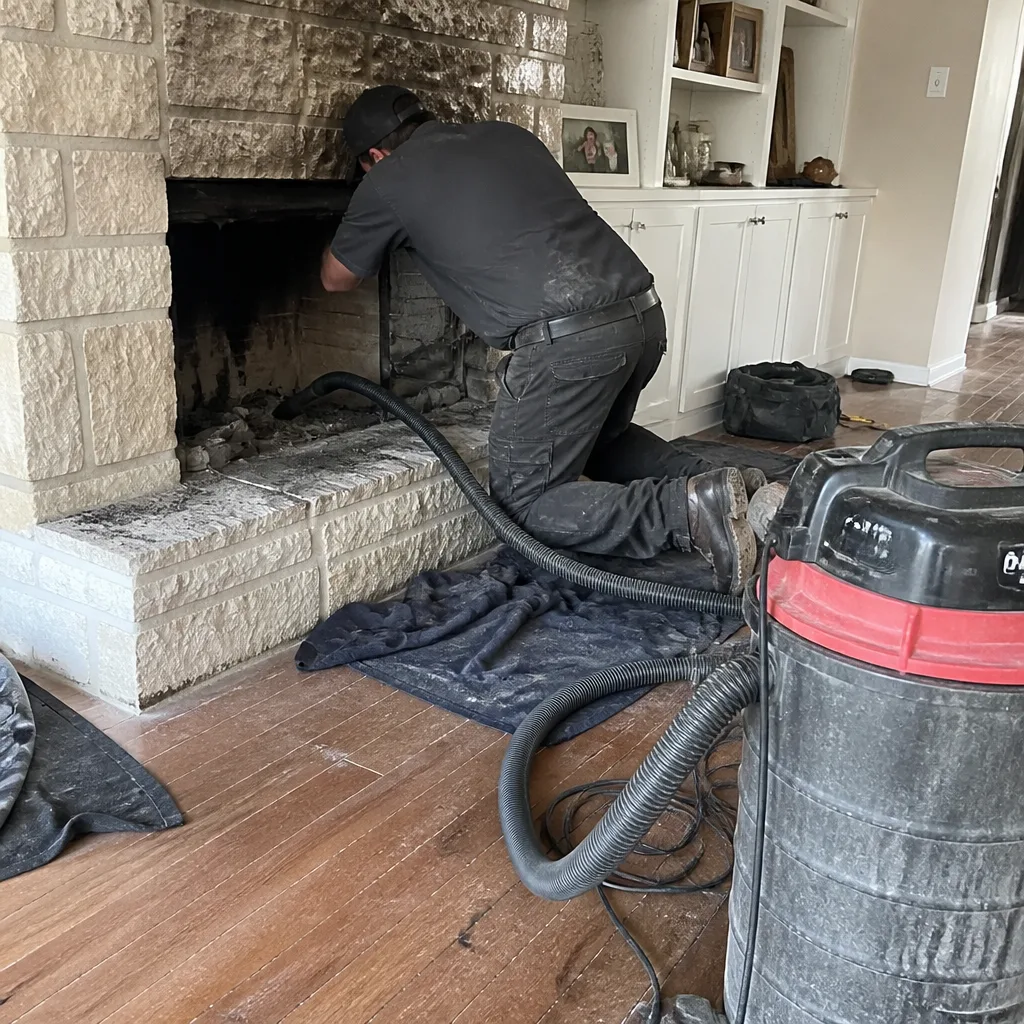 Before
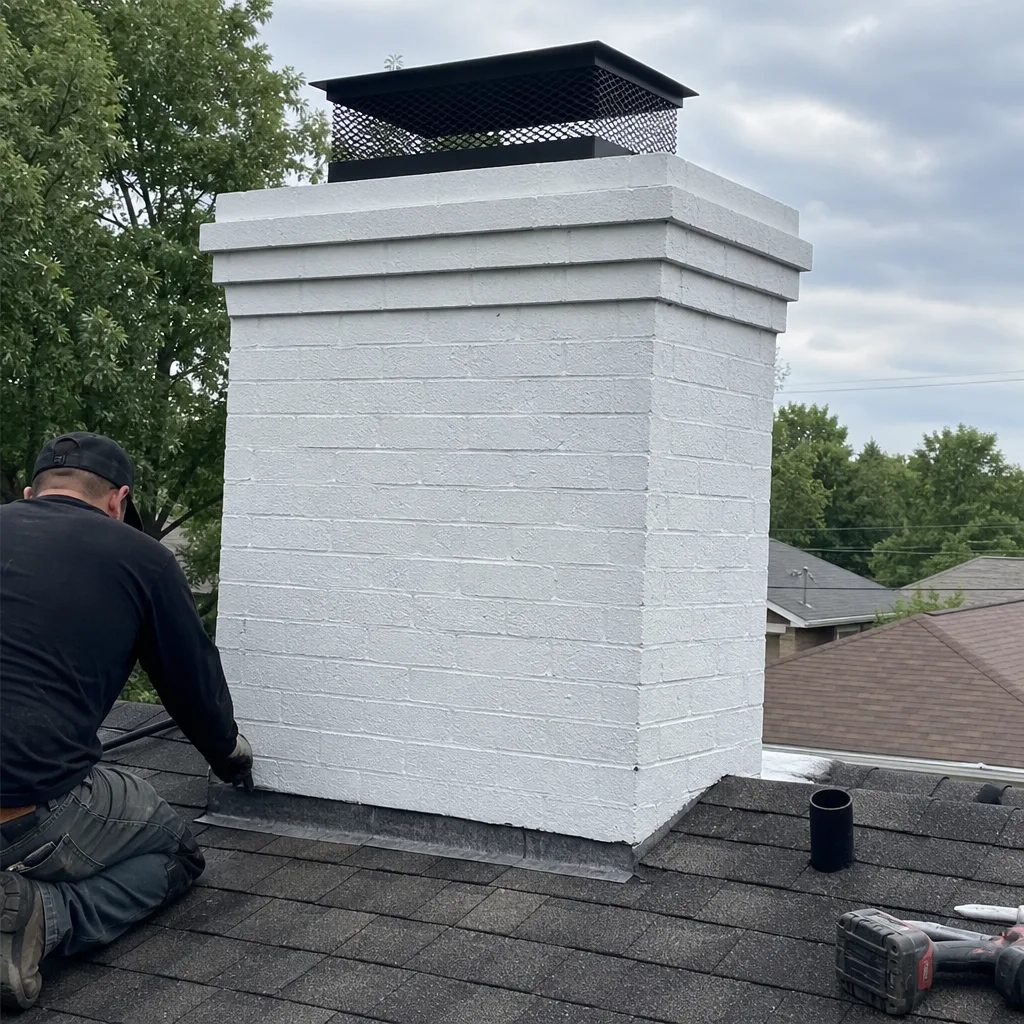 After
After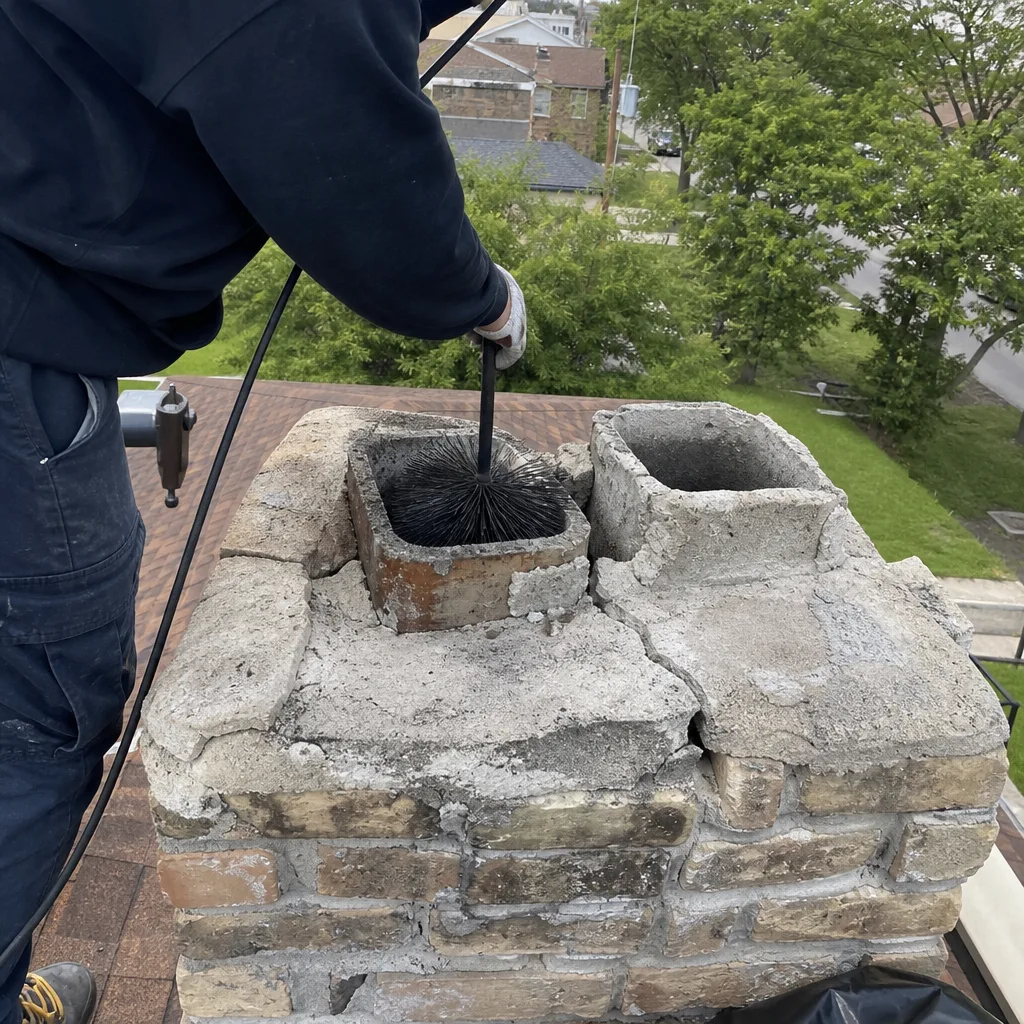 Before
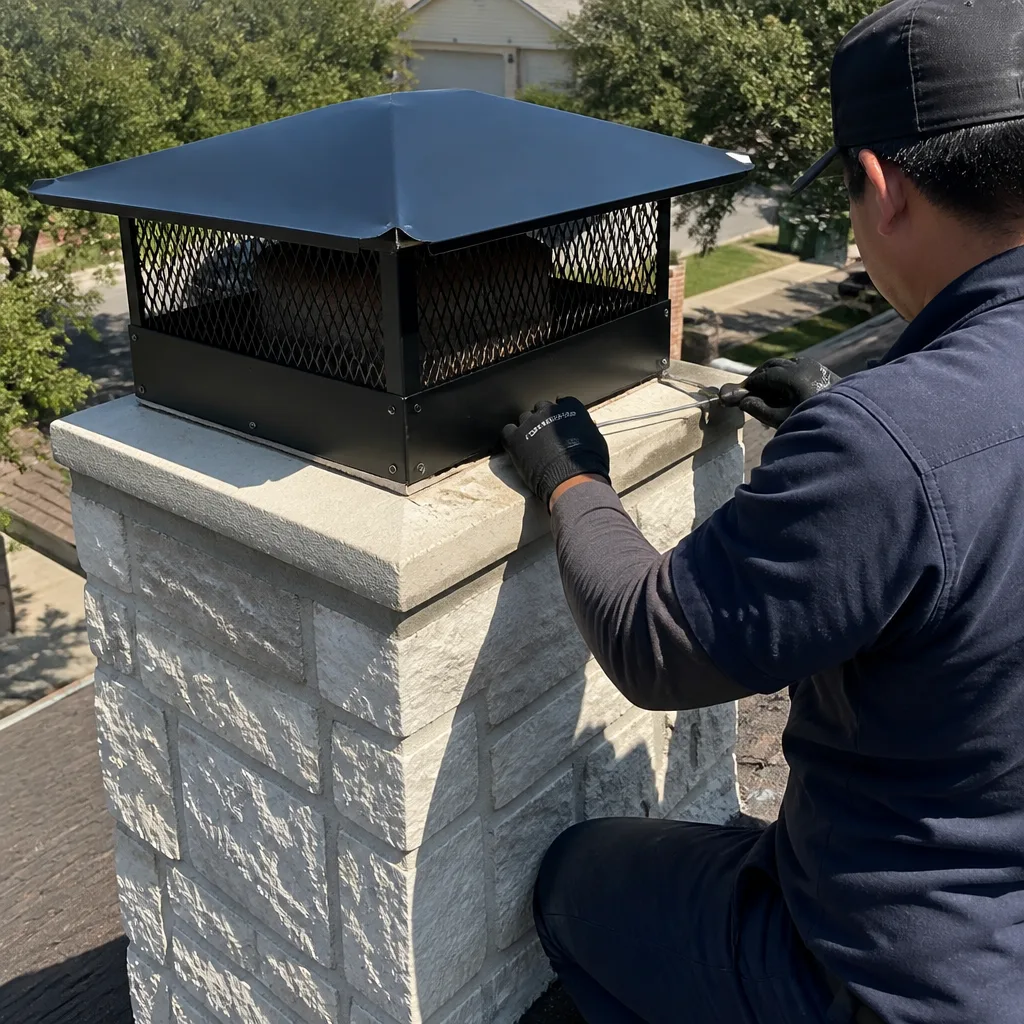 After
After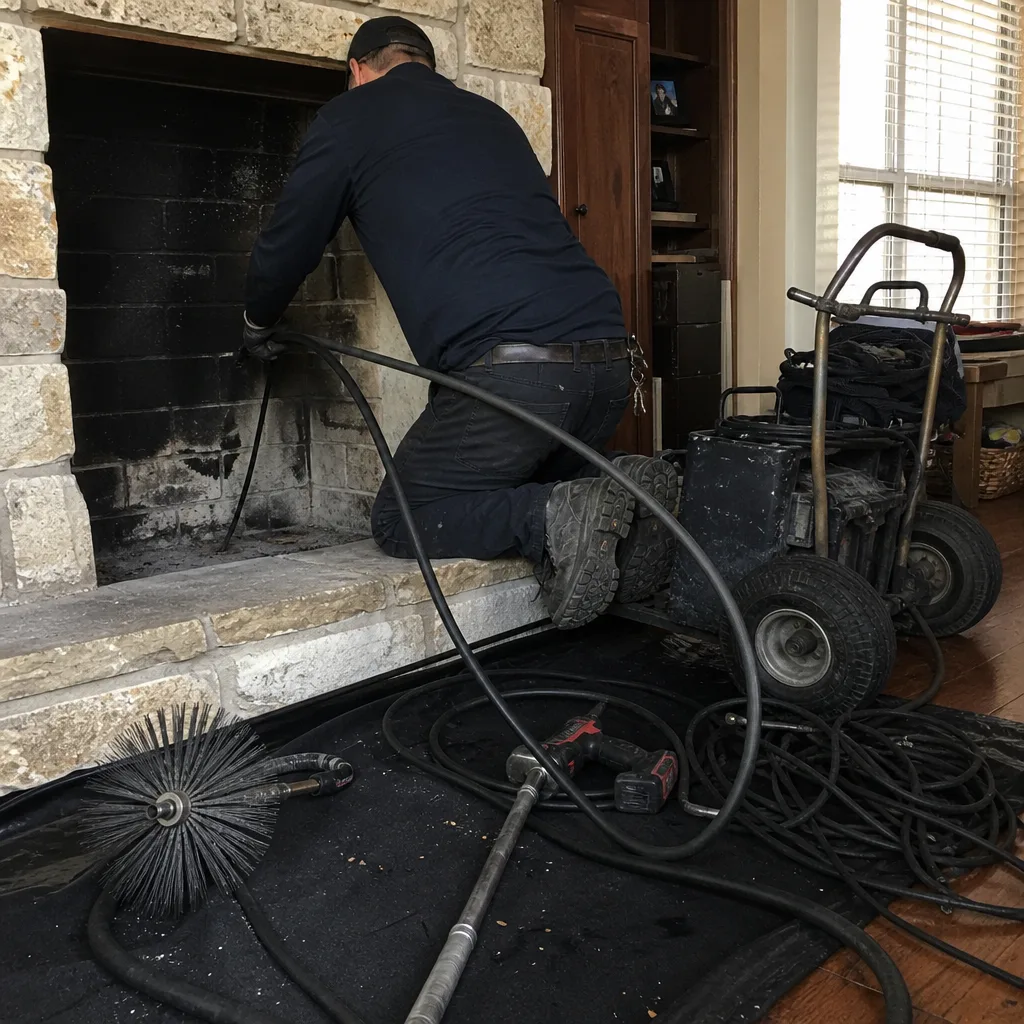 Before
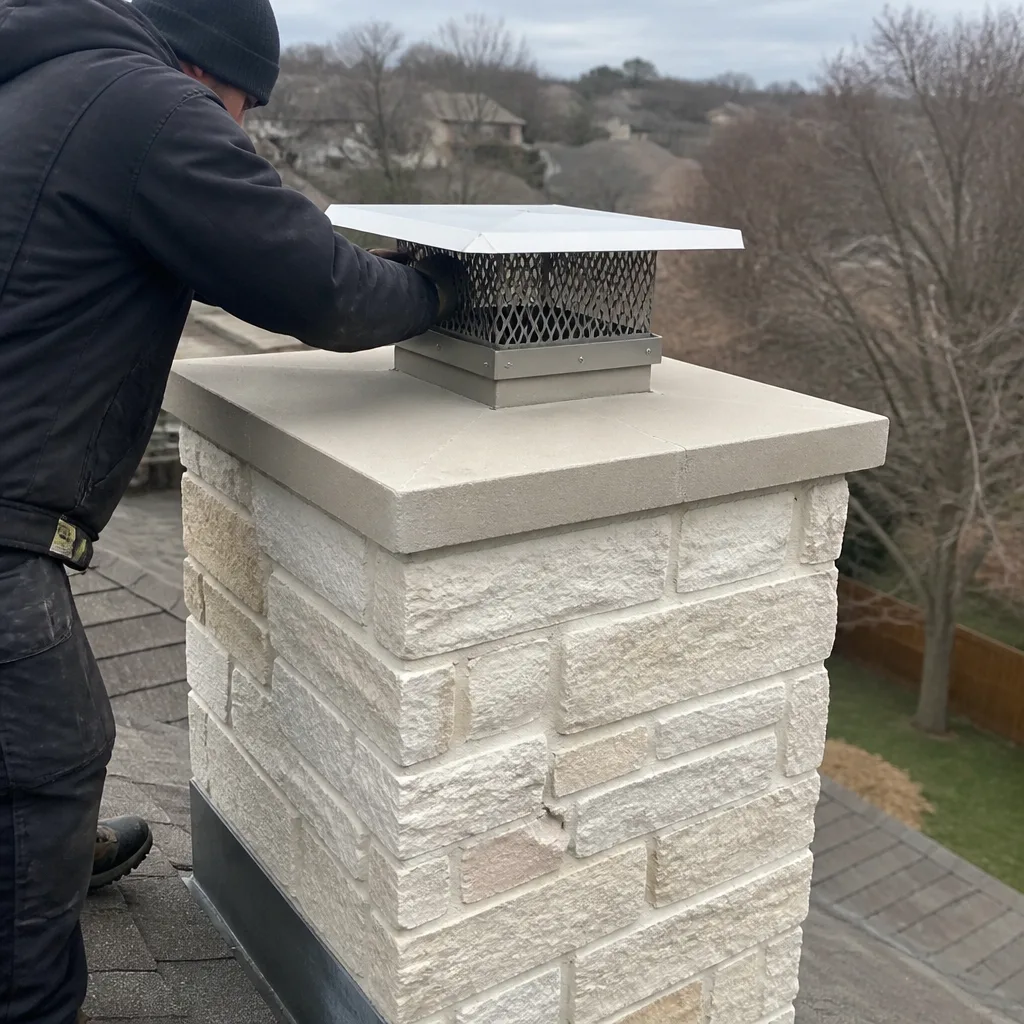 After
AfterPricing for Chimney Sweep in Grand Prairie, TX
A standard chimney sweep in Grand Prairie runs $189 to $279 for a single-flue wood-burning fireplace with normal creosote buildup. Creosote removal for heavy third-degree glaze adds time and runs $279 to $329. Fireplace cleaning as an add-on runs $149 to $249. A Level 1 inspection is included with every sweep at no extra charge. A Level 2 inspection, which we recommend when a home has changed ownership, suffered storm damage, or uses a shared flue, runs $250 to $400. Liner work, crown repair, and damper replacement are quoted separately in writing before any work starts, and every repair carries our 365-Day Done Right Promise. Call (361) 264-4483 for a free estimate, because the only way to quote your flue accurately is to see it.
We Also Serve Cities Near Grand Prairie
Our Grand Prairie customers often ask if we cover the surrounding area. Yes. We regularly work in Grand Prairie and the nearby communities of Dallas, Coppell, Lancaster, and Red Oak. If you’re just across the city line, call (361) 264-4483 and we’ll tell you straight whether we can schedule you this week.
Serving Grand Prairie, TX - Our Local Coverage Area
We’re based in the Grand Prairie area and know this community well. Use the map below to see our service coverage - if you’re nearby, we can almost certainly help.
FAQs About Chimney Sweep in Grand Prairie
Yes, but it requires knowing how your flue was built. In Grand Prairie’s 1950s-to-1970s attached brick ranches, flues were sometimes shared or run parallel within a single masonry stack, which means a sweep of one flue does not disturb the other, but a misdiagnosed shared stack can push carbon monoxide from a neighbor’s gas appliance into your home. We begin every attached-property job by identifying which flue serves which unit, then sweep only yours. Call (361) 264-4483 and tell us your home was built before 1980 with a shared chimney stack; we’ll schedule the right inspection.
You’ll see one of four signs: water stains on the ceiling or wall near the fireplace after rain, flaking brick or crumbling mortar on the chimney exterior, a persistent smoke smell even when the flue is open, or a fireplace that drafts poorly. In a 1960s brick ranch in Grand Prairie, the original clay tile liner is almost certainly cracked if those signs are present, because decades of freeze-thaw cycles and clay-soil settling break tiles at the joints. The only way to confirm is a Level 2 camera inspection, which we perform after every sweep when liner damage is suspected.
Yes, but not with a standard wire brush. Third-degree creosote is a hard, glazed tar that forms in unlined flues and in cracked clay tile liners, exactly the ones common in Grand Prairie’s older brick ranch neighborhoods. Removal requires chemical treatments that break down the glaze before mechanical brushing, or in some cases a HeatShield resurfacing to restore a deteriorated liner. We’ll photograph the creosote before and after so you can see the difference. Call (361) 264-4483 if you suspect heavy glaze; quotes are free.
Yes, and the reason is specific to Grand Prairie’s older housing stock. Gas log sets produce less creosote than wood, but they still produce soot that clogs ports and can cause incomplete combustion, and in a 1950s fireplace with an unlined or deteriorated flue, that combustion gas can backdraft into your living room. More critically, vibration and thermal cycling from the gas appliance can accelerate the deterioration of an already aging clay tile liner. Carbon monoxide is invisible, and the flue is the only path out. A sweep and inspection every year protects that path.
Grand Prairie sits on clay-heavy soil that swells when wet and shrinks when dry, which causes foundation movement and slight structural shifting over decades. That shifting transfers stress to a masonry chimney, which can’t flex the way a wood-frame wall does. The result is hairline cracks in the chimney, separation at the roofline, and mortar joint deterioration. Combined with our freeze-thaw winter cycles and hot, humid summers, it means Grand Prairie chimneys age faster than chimneys in cities with stable soil. We inspect for exactly these stress patterns on every job.
Call Alcott Chimney Dallas in Grand Prairie
If you live in Grand Prairie and you haven’t had your chimney swept in over a year, or you’ve noticed water stains, smoke smells, or a weak draft, call us at (361) 264-4483. A live person answers around the clock, and you’ll get a written price before any work starts. Our sweep service in Grand Prairie runs $189 to $329 depending on what we find, and every repair carries a written guarantee. Ruben Castellano’s standard is simple: you’ll know exactly who’s coming to your door, and you’ll be able to verify it before they step inside.
Written by Ruben Castellano, Owner at Alcott Chimney Dallas, serving Grand Prairie homeowners since 2002.