
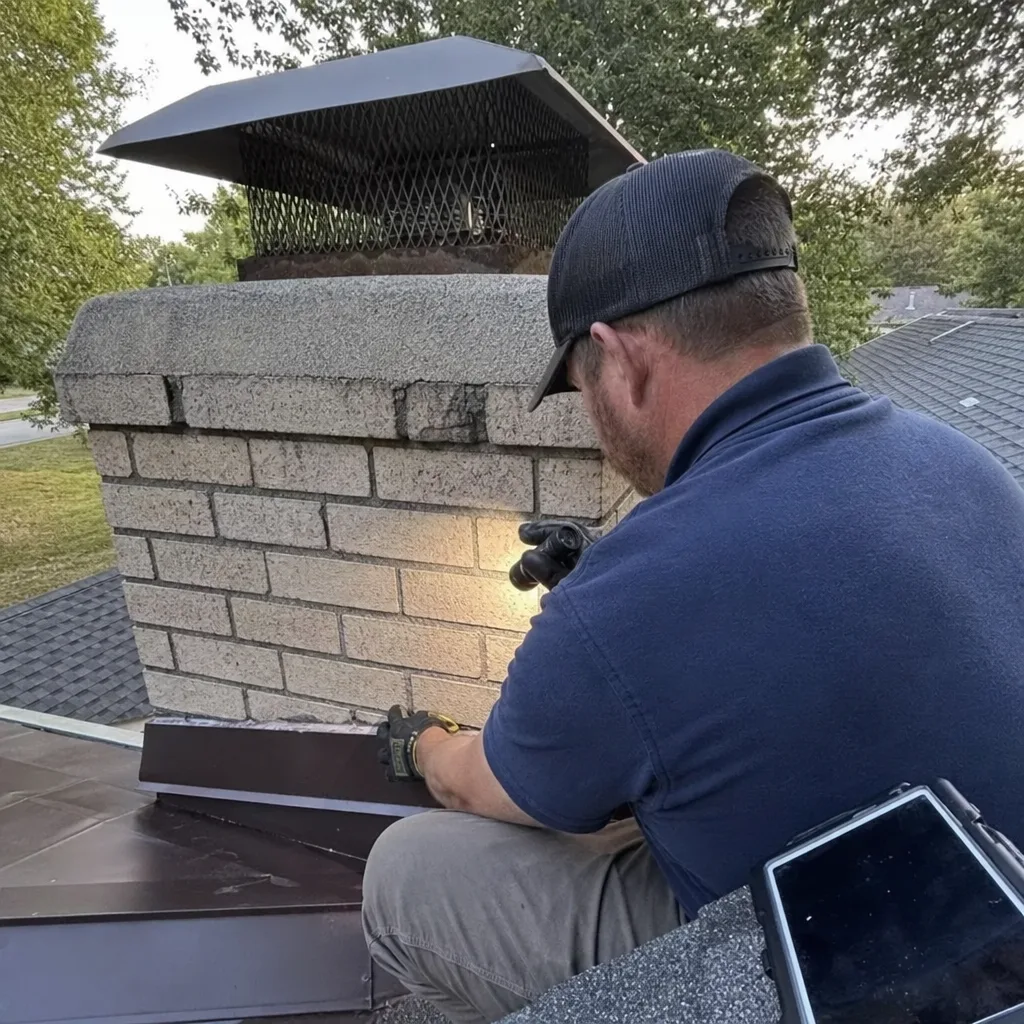
 Sweep & inspection
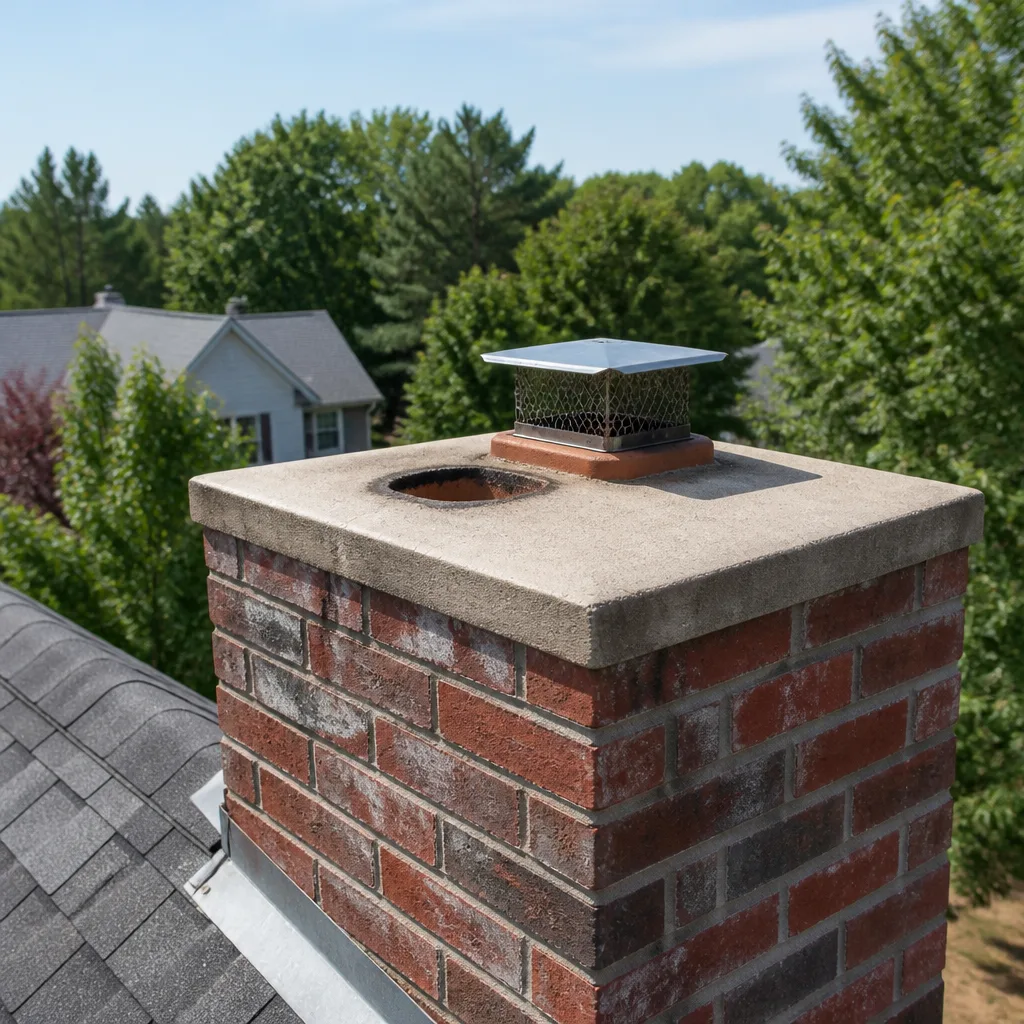
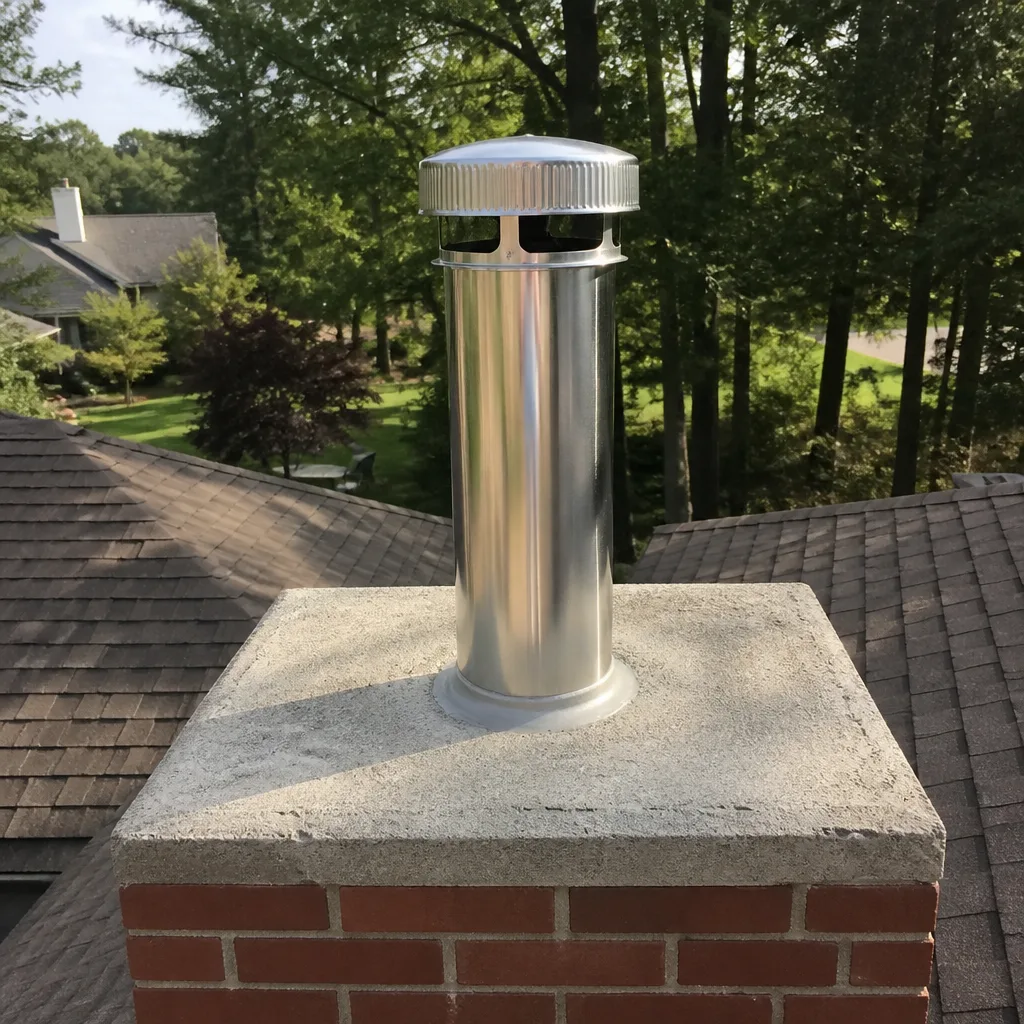
 Caps & crowns
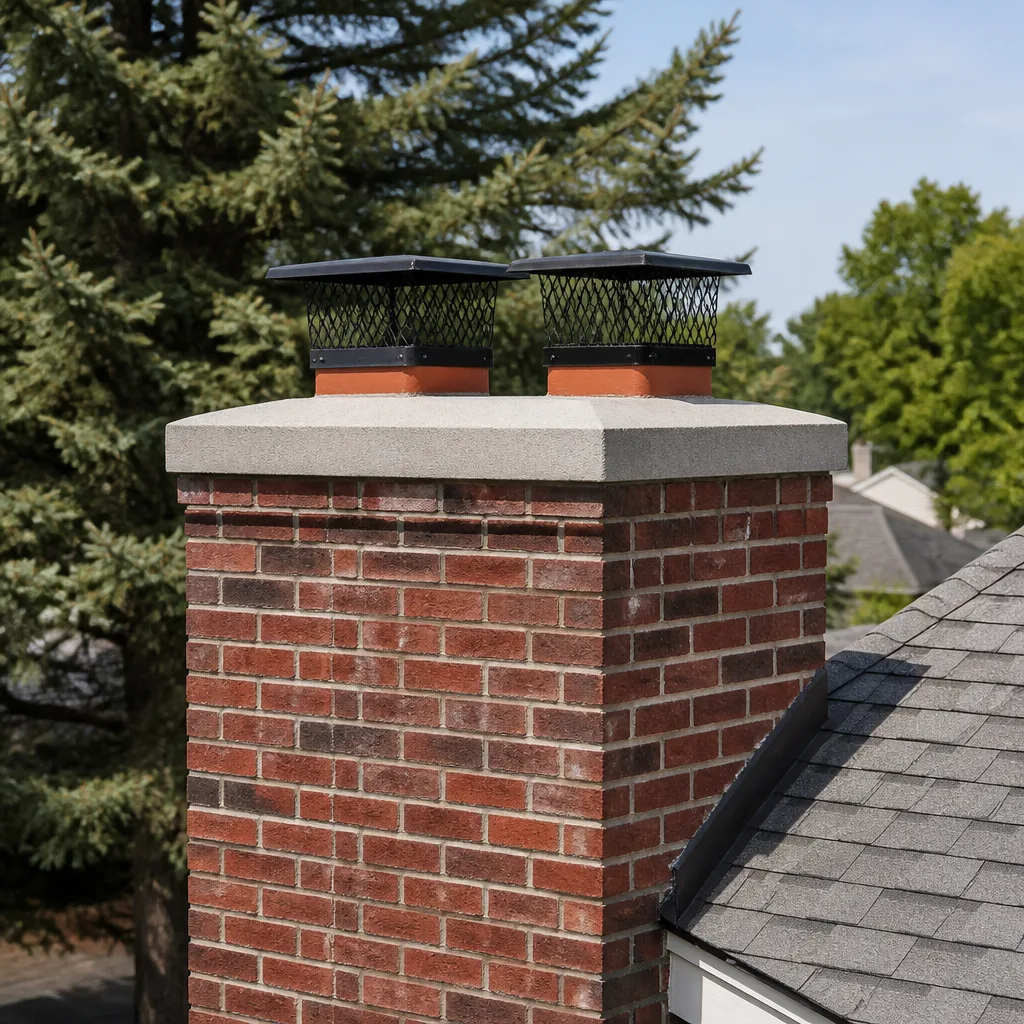
 Flue relining
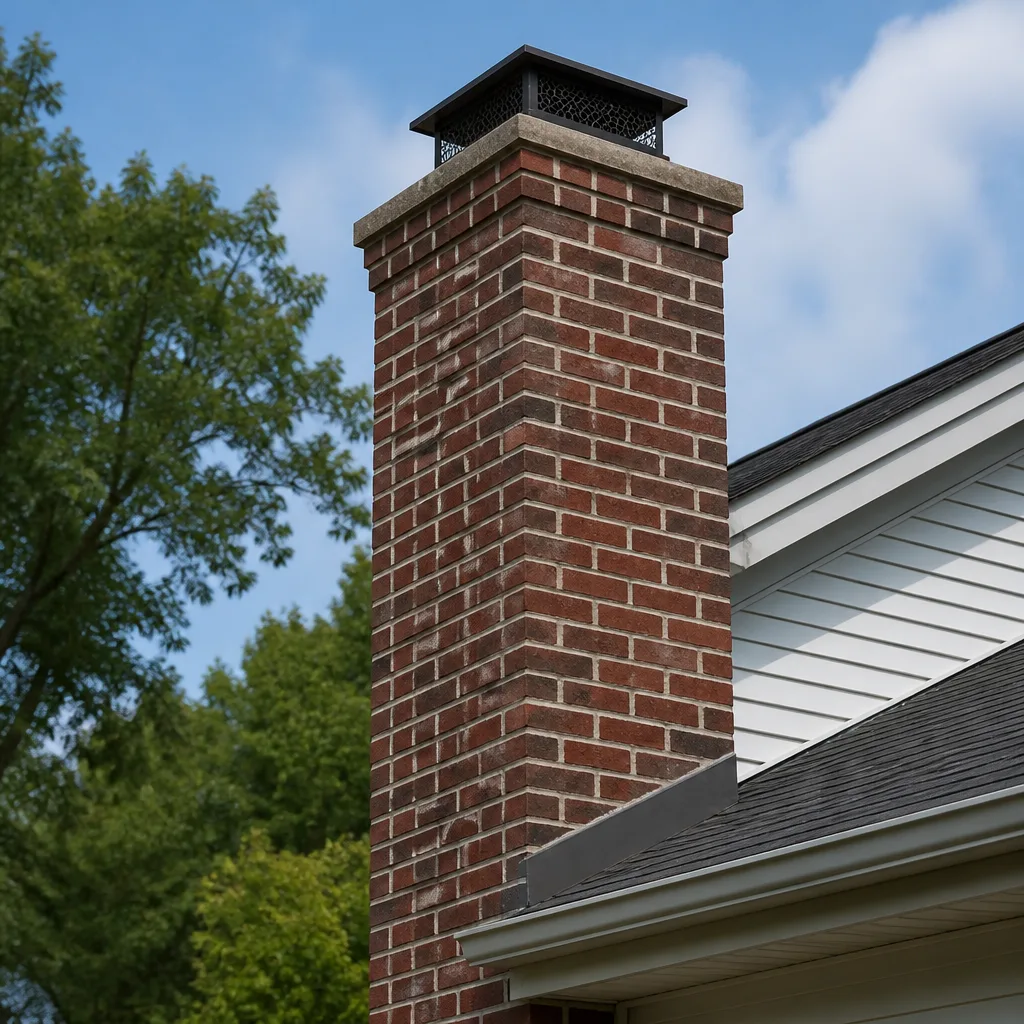 Masonry repair
 Gas fireplace service
Level 1 sweep and inspection to the NFPA 211 annual standard - flue, crown, cap, and flashing checked and photographed
Chimney sweep logs do not sweep chimneys. They loosen some creosote - which then falls where a brush and vacuum still have to collect it.
Styles & brands we work with
See the difference
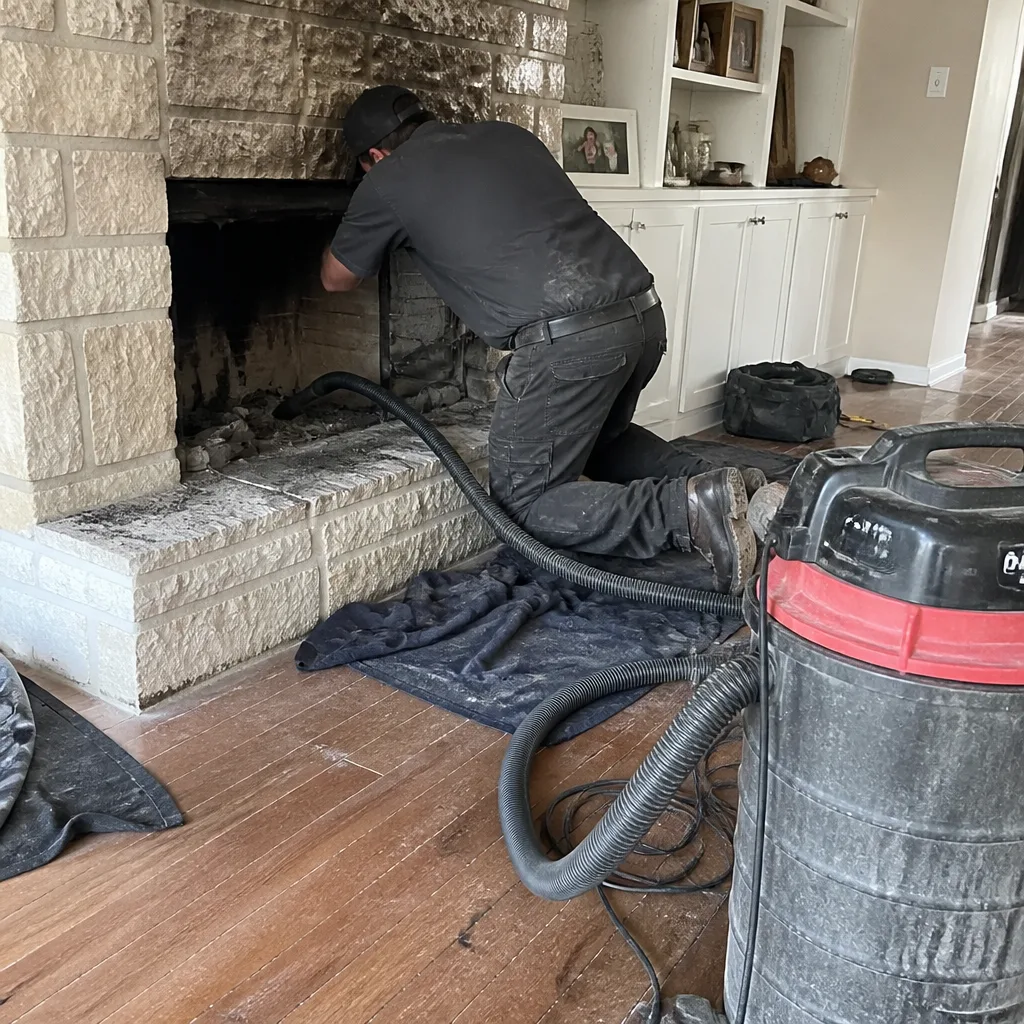 Before
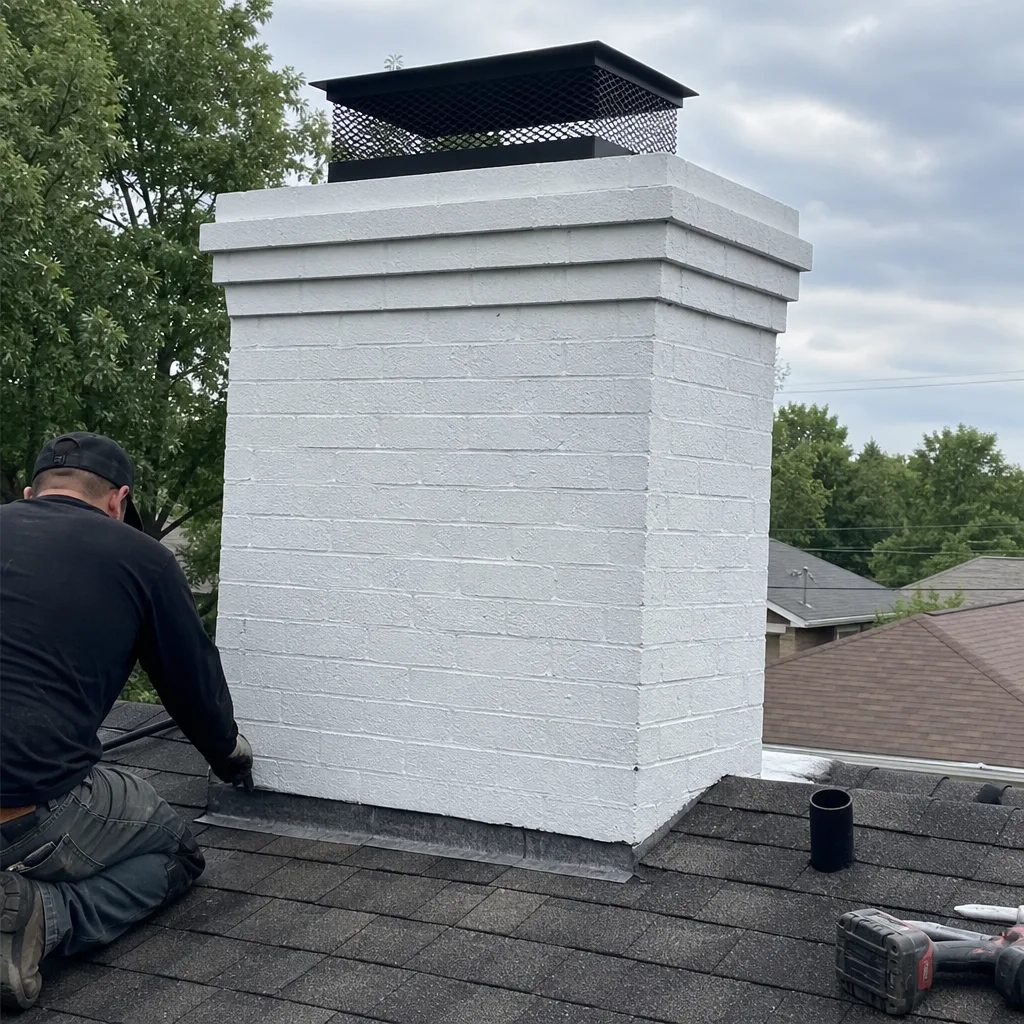 After
After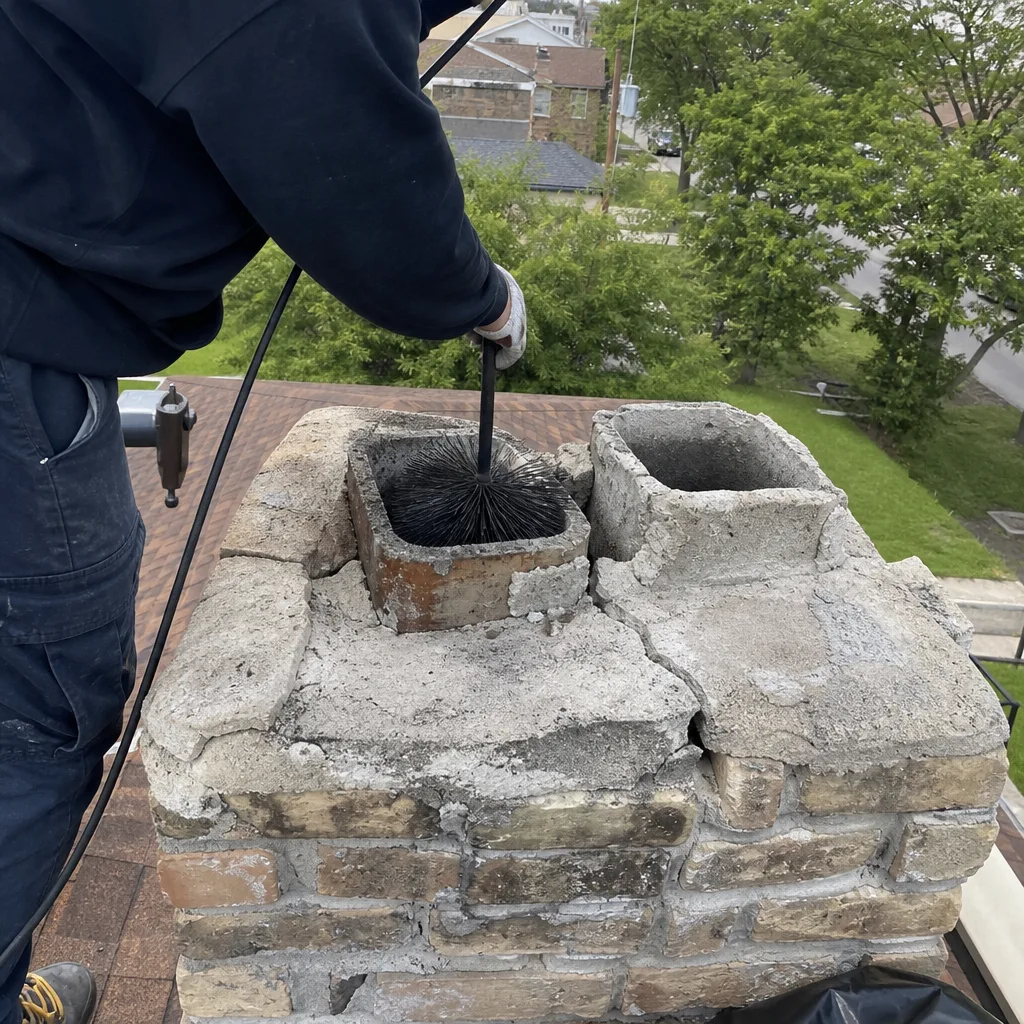 Before
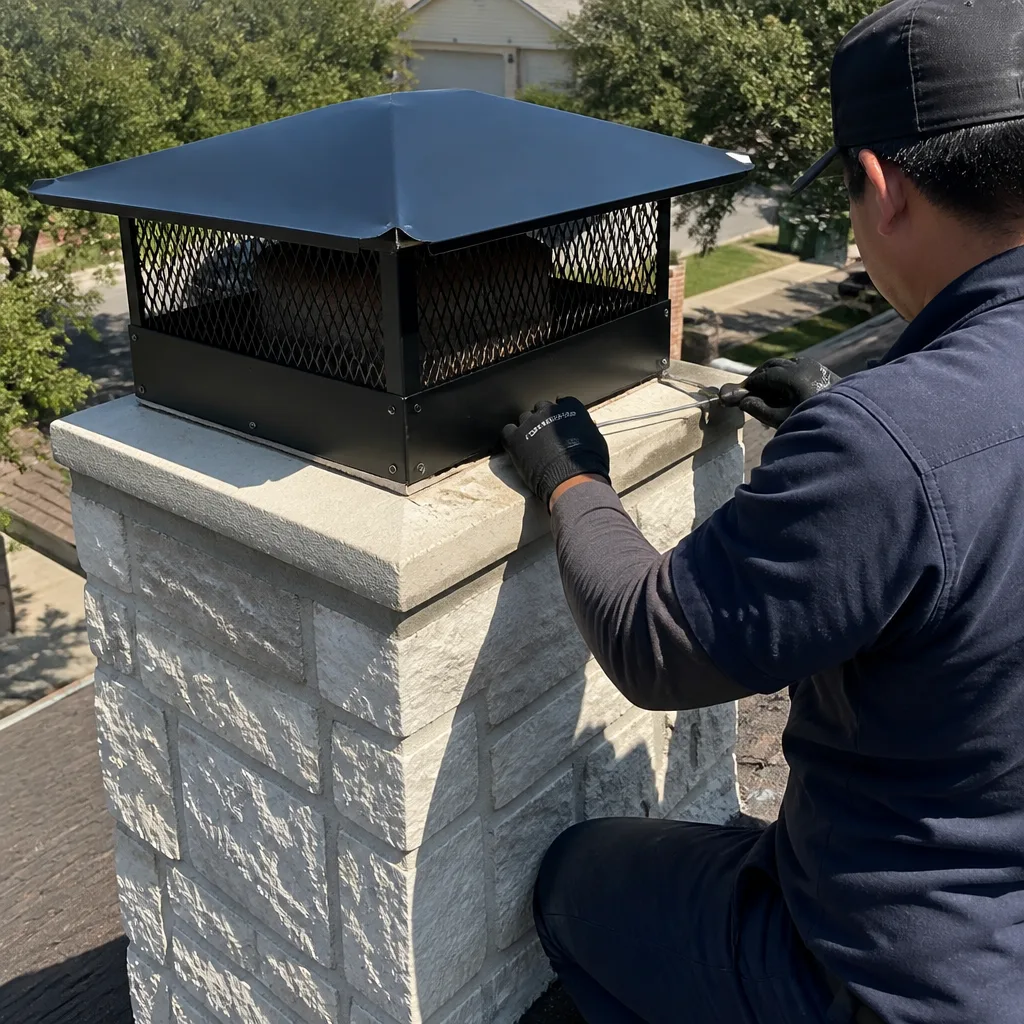 After
After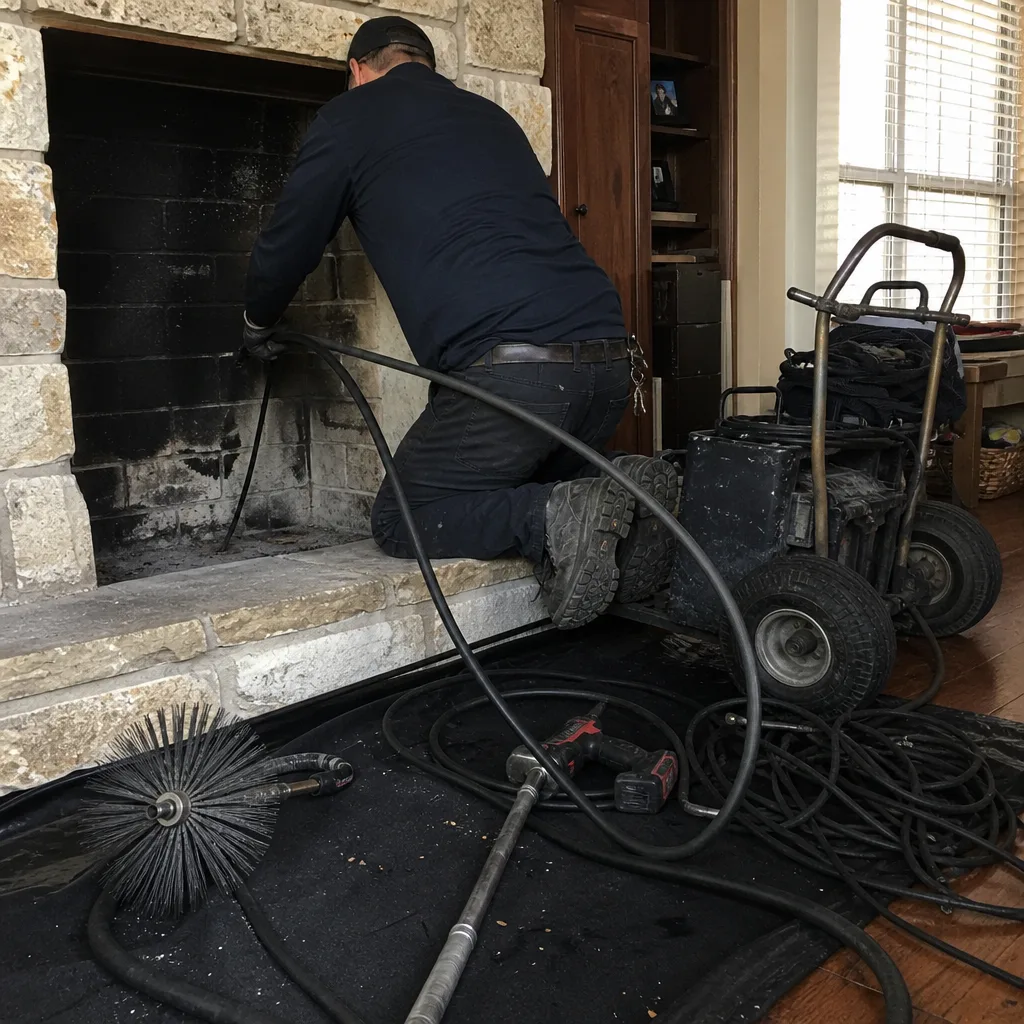 Before
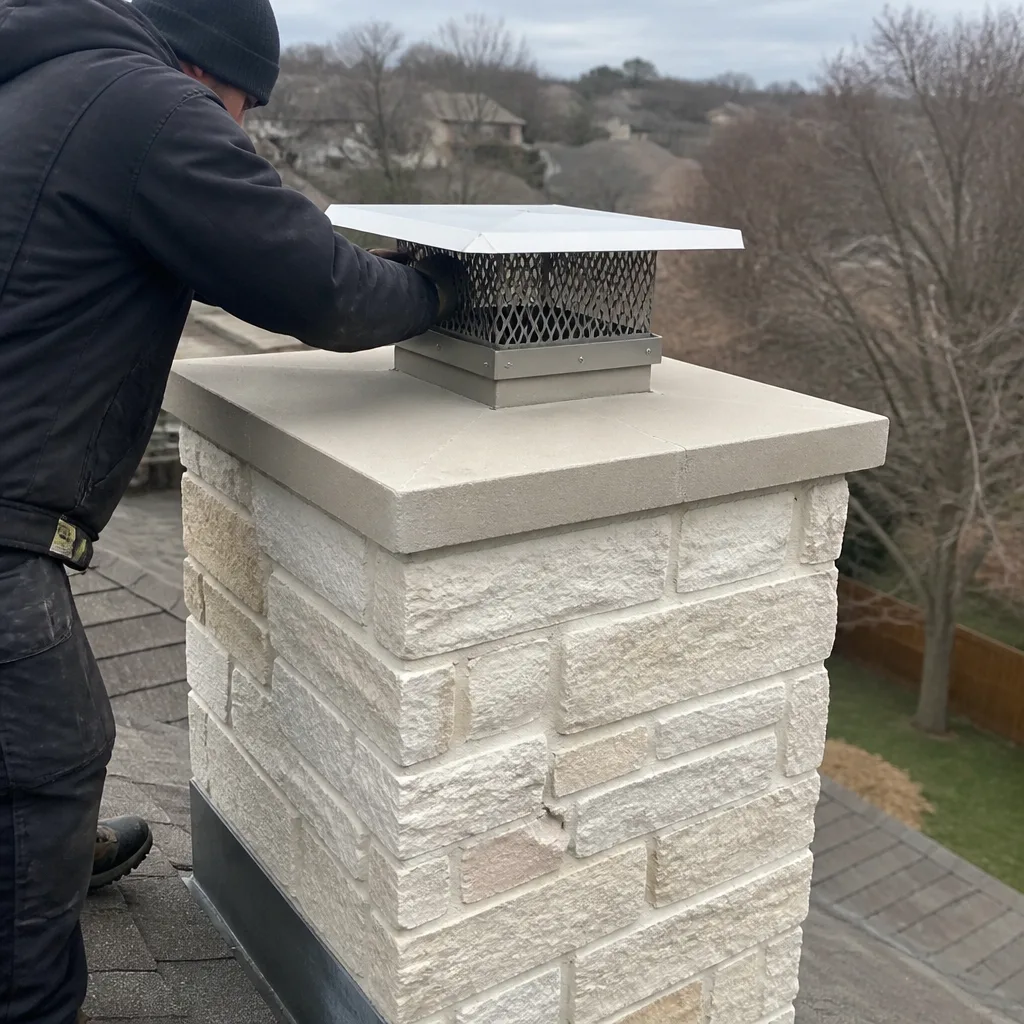 After
AfterSoot Removal in Dallas, TX
Soot removal in Dallas typically costs between $150 and $350 when bundled with a standard chimney sweep, and most jobs are completed the same day. Soot is the fine, powdery residue left behind when wood or gas burns, and it coats the inside of your flue, smoke chamber, and firebox every time you use your fireplace. If you’re seeing black dust settling on your mantel or noticing a campfire smell even when the fireplace is cold, soot buildup is usually the culprit. Alcott Chimney Dallas has handled soot removal as part of our Chimney Cleaning & Sweep in Dallas work since 2002, and we approach it the same way we approach every job: with a written price before we start, a technician you know by name and face before the door opens, and a guarantee that lasts a full year.
Call (361) 264-4483 for a free estimate. A live person answers around the clock, so you’ll never sit through a voicemail maze when soot is dusting your living room.
When You Need Soot Removal
Most Dallas homeowners don’t think about soot until they see it, smell it, or feel it. Here are the signs that tell us a chimney needs attention. If any of these sound familiar, it’s time to schedule a cleaning.
- Black dust on your mantel, hearth, or furniture near the fireplace. Soot particles are light enough to drift out of the firebox, especially on windy days when Dallas gets those strong north winds off the plains. If you’re wiping down your mantel twice a week and it keeps coming back black, the flue is coated.
- A persistent smoky or campfire smell in the room, even days after your last fire. When the chimney is cold, condensed soot releases odor back into the house. Homes in Lakewood and East Dallas with older, unlined chimneys are particularly prone to this because porous brick holds soot deeper.
- Visible black or dark brown buildup on the fireplace walls. Run a finger against the inside of your firebox. If it comes away covered in a fine black powder, that’s soot. If it’s shiny, tar-like, and hard, that’s creosote, the heavier, more flammable cousin of soot, and it needs professional attention immediately.
- Your smoke detectors go off without a fire burning. Dislodged soot particles can trigger optical smoke alarms. It’s a sign that airflow through the chimney has changed, often because soot has narrowed the flue passage.
- Fires feel harder to start or produce more smoke than they used to. Soot narrows the flue, which reduces draft. In Dallas, where spring and fall temperature swings are sharp, a soot-narrowed flue is even more vulnerable to downdrafts and smoke pushback.
- You’ve lived in the home for more than a year and have never had the chimney cleaned. The National Fire Protection Association recommends a chimney inspection and cleaning whenever there’s a quarter-inch or more of soot or creosote buildup anywhere in the system. That threshold is reached faster than most people expect, usually within a single season of weekly fires.
Our Soot Removal Process
We use professional-grade equipment and follow a set routine on every soot removal job in Dallas. Here’s what to expect, step by step.
- We protect the room before anything else. We lay drop cloths and run a HEPA-filtered vacuum system that captures soot at the source rather than letting it drift into your home. The fireplace opening is sealed with a plastic barrier during the sweep so that dust stays contained. This matters in Dallas, where forced-air HVAC systems can circulate fireplace dust through the whole house within minutes.
- We inspect the flue, smoke chamber, and firebox. Before we ever put a brush to brick, we look at what’s actually in there. Soot removal is straightforward. Creosote removal is more involved. If we find creosote or a crack, you’ll know before any work is done. You’ll also know the exact cost to address it, in writing, before we proceed.
- We sweep the full system with rotary brushes sized to your flue. Whether your flue is round clay tile, square, or a stainless steel liner, the right brush head matters. Wrong-sized brushes leave soot behind and can scratch or damage liners. Alcott technicians carry multiple brush sizes and configurations on every truck.
- We remove soot from the smoke chamber and firebox by hand where needed. The smoke chamber, which sits just above the damper, is where soot collects thickest in many Dallas fireplaces. It’s also the hardest area to reach with a standard sweep. We use specialized vacuum tools and hand brushes to clear it completely.
- We run a final draft check and clean up. After the sweep, we confirm smoke pulls upward the way it should. Then we remove the protective barriers, vacuum the work area, and leave your fireplace cleaner than we found the surrounding room.
- You get a written report of what we found and what we did. Every job, including basic soot removal, includes a written summary. If we spotted hairline cracks, a warped damper, or early creosote, it goes in the report so you have a record, not a verbal handshake.
Soot Removal Pricing in Dallas
Here are the honest numbers. A standard chimney sweep with soot removal in Dallas runs $150 to $350 depending on the size of the flue, how heavily it’s coated, and whether your fireplace has a standard clay liner or a prefabricated metal system. Homes in North Dallas and Richardson with two-story fireplaces or longer flues fall toward the upper end. Smaller one-story homes in Oak Cliff or Casa View typically land near the lower end.
What affects the price:
- Buildup severity. Light soot from occasional fireplace use comes off quickly. Heavy soot from years of neglect or burning unseasoned wood takes more labor and more vacuum passes.
- Flue type and accessibility. Prefabricated metal chimneys require specialized brush heads and are more delicate than masonry clay tile liners, which can affect the labor involved.
- Whether the smoke chamber is accessible. Some Dallas homes have dampers or chimney designs that make the smoke chamber difficult to reach without partial disassembly. We price that honestly before we do it.
- Whether repairs are needed once we see inside. If soot removal exposes a cracked flue tile or damaged liner, we’ll quote the repair separately and in writing. You’ll never see a surprise charge at the end of the job. If we find a need for something like a HeatShield resurfacing or a Gelco-fabricated component, we’ll show you the cost and explain what it does before asking for a go-ahead.
The price you’re quoted before we begin is the price you pay. Every Alcott job includes a written price in advance and a written guarantee on any repair we perform. If a repair fails within 365 days, the second visit is free under our Done Right Promise. That’s not a promotion. It’s how we’ve worked since 2002.
Call (361) 264-4483 and tell us what you’re seeing. Estimates are free, and the call is answered by a person, not a phone tree.
Why Dallas Homeowners Choose Alcott Chimney Dallas for Soot Removal
Most chimney companies in Dallas can sweep a flue. The difference is what happens before and after the work.
You’ll know exactly who is coming to your door. Every Alcott technician passes a background check and identity verification before ever stepping onto a customer’s property. This is the Threshold Standard, and it’s non-negotiable. When you book with us, you’ll receive the technician’s name and photo before the visit. When they arrive, they’ll show a photo ID badge at the door. No exceptions. For homeowners who are often home alone, parents with young children, or older Dallas residents, this is the reason they call us instead of the other company.
We carry professional trade materials, not big-box substitutes. When a soot removal job turns into a repair, we install what chimney professionals specify: HeatShield resurfacing systems, Gelco components, and Olympia Chimney hardware. You won’t get a hardware-store patch that fails in two seasons.
The guarantee is written and lasts a year. Our Done Right Promise covers every repair for 365 days. If the fix fails, the return visit is free. If we make a mess, it’s cleaned up before we leave. Every customer receives a written price before work begins, too. These are included on every job, not sold as add-ons.
Phones are answered around the clock. When you smell smoke at 11 p.m. and need someone to tell you whether it’s an emergency or just a drafty flue, you’ll reach a live person. Not a voicemail system. Ruben Castellano set up Alcott Chimney Dallas this way because a chimney concern at midnight shouldn’t wait until business hours to be heard.
FAQs – Soot Removal
How much does soot removal cost in Dallas?
Soot removal in Dallas typically costs $150 to $350 when done as part of a standard chimney sweep, with most homeowners paying around $225. The main variables are flue height, buildup severity, and whether your chimney has a clay tile or prefabricated metal liner. We give you a written price before any work starts, and estimates are free. Call (361) 264-4483 for an exact quote on your fireplace.
Is soot removal the same as a chimney sweep?
Soot removal is one part of a full chimney sweep. A proper sweep removes soot, creosote, and any debris from the flue, smoke chamber, and firebox. Some companies advertise “soot removal” as a cheaper surface-level service that skips the smoke chamber or the upper flue. We don’t. Every Alcott sweep removes soot from the entire system, from firebox to chimney cap, so you’re not paying for a partial job.
How often should I have soot removed from my chimney?
Most Dallas homeowners should have their chimney swept and soot removed once a year if they burn wood regularly, or every two years if they use the fireplace occasionally. The National Fire Protection Association recommends cleaning at a quarter-inch of buildup, but that’s impossible to see yourself. If you’re not sure, book an inspection. We’ll tell you if a cleaning is actually needed and won’t sell you one if it isn’t.
Can I remove soot myself?
You can wipe soot off your mantel and hearth, but removing it from inside the flue is a different job. Soot clings to porous chimney surfaces and requires a properly sized rotary brush and a HEPA vacuum system to capture it without blowing it through your house. Saving a few bucks on a DIY attempt often ends with soot dust coating your furniture and a residue problem that’s harder to clean up than the original buildup. For straightforward, mess-free results, call (361) 264-4483. The estimate is free.
Written by Ruben Castellano, Owner at Alcott Chimney Dallas, serving Dallas.