
Last updated October 15, 2026
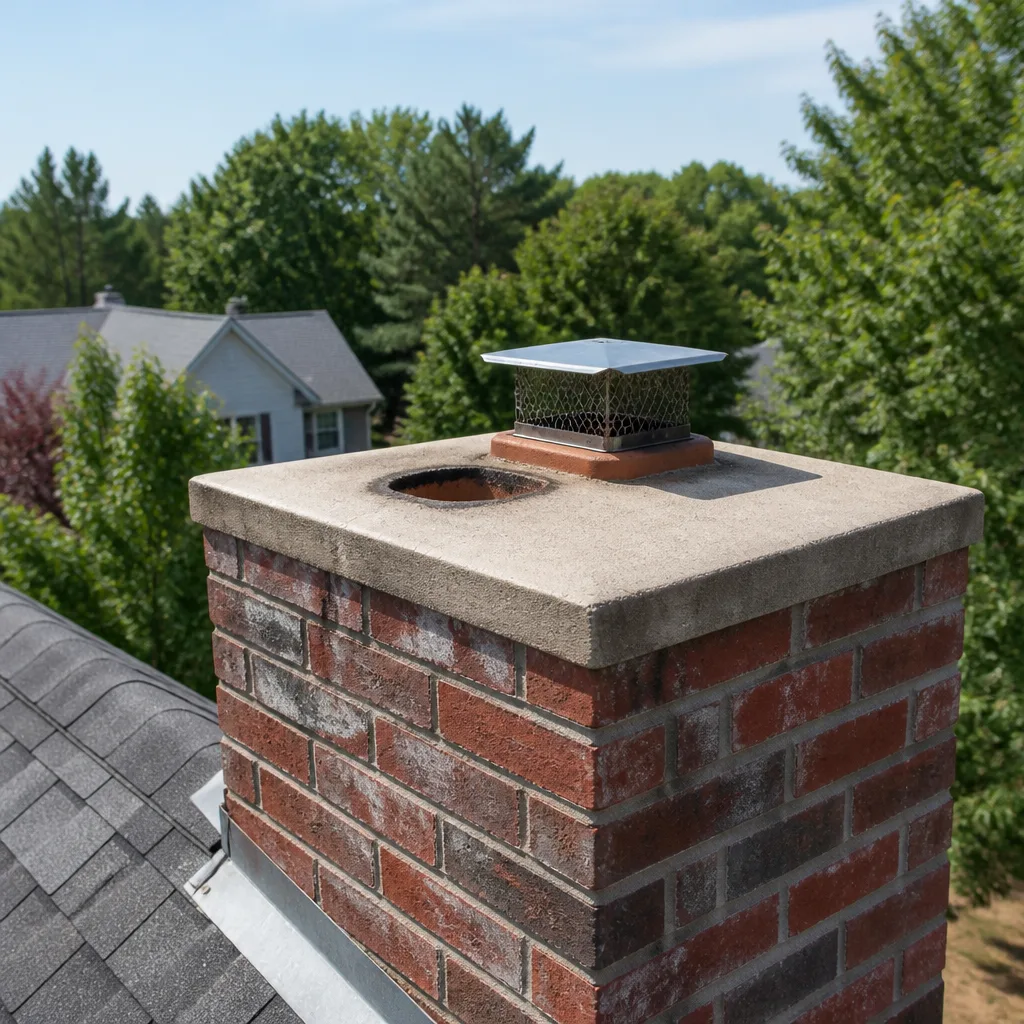 Sweep & inspection
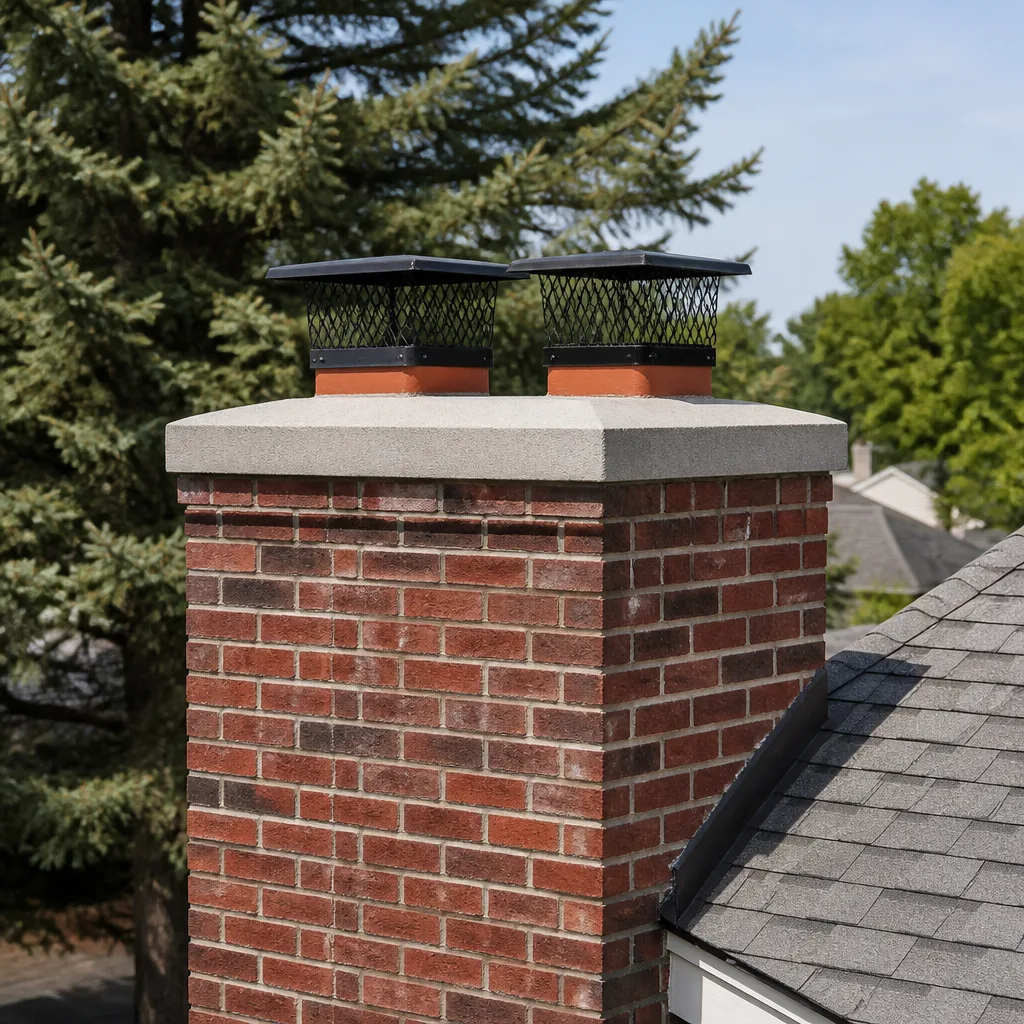 Caps & crowns
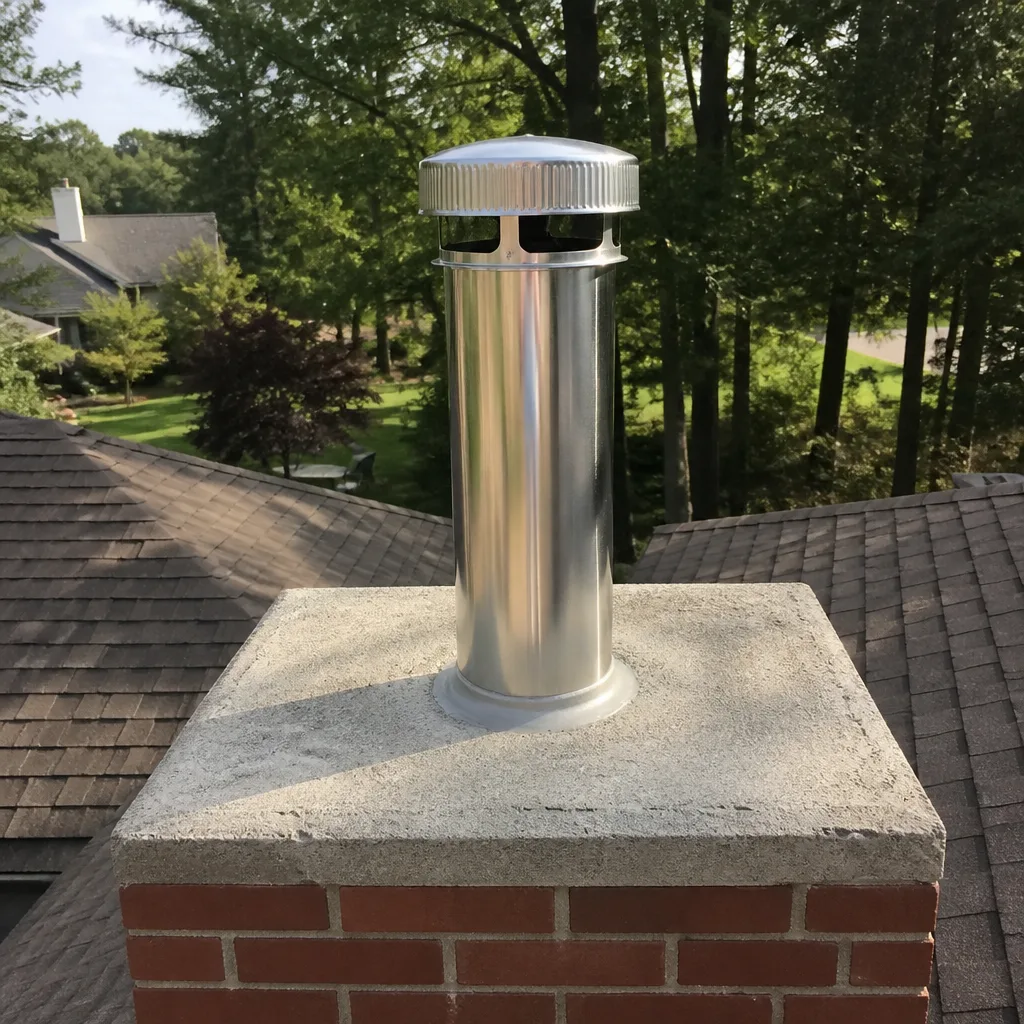 Flue relining
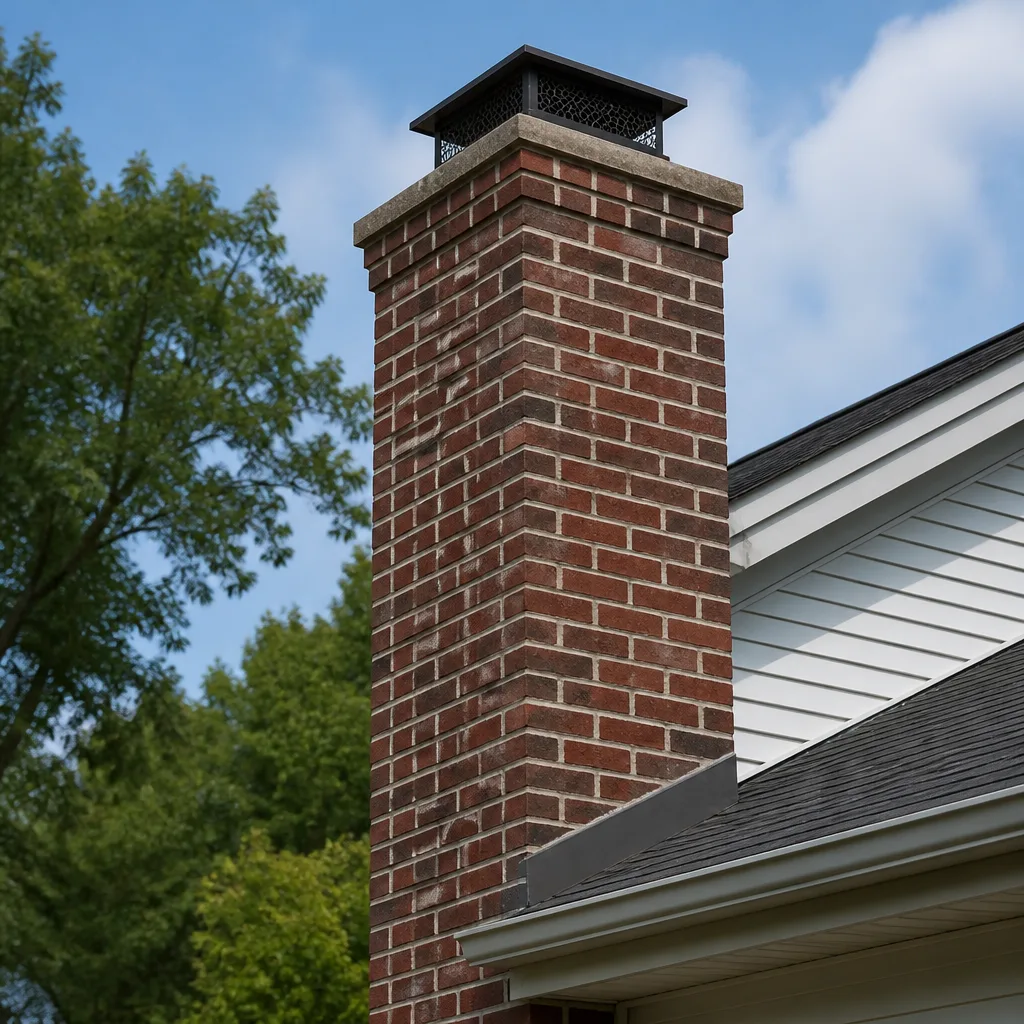 Masonry repair
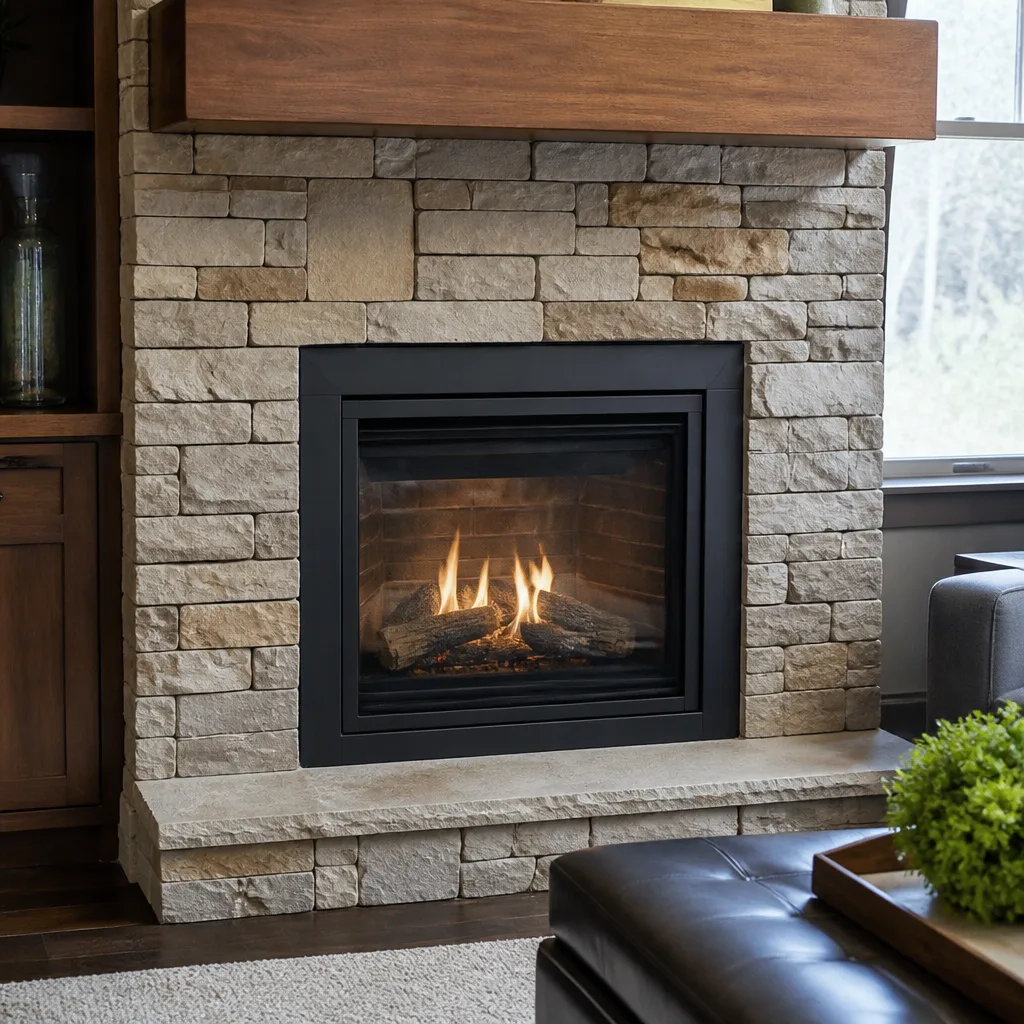 Gas fireplace service
Level 1 sweep and inspection to the NFPA 211 annual standard - flue, crown, cap, and flashing checked and photographed
Chimney sweep logs do not sweep chimneys. They loosen some creosote - which then falls where a brush and vacuum still have to collect it.
How to Hire a Chimney Cleaning Contractor in Dallas: A Step-by-Step Guide
A 2023 CSIA study found that fewer than half of people who identify themselves as chimney sweeps online hold any industry certification. In Dallas, where a truck, a brush, and a Craigslist ad are all someone needs to call themselves a chimney sweep, that gap runs even wider. The result is a market where homeowners are routinely overcharged for work they didn’t need, or under-served by crews that leave creosote behind and call it done. This guide walks you through the three verification steps that separate a credentialed professional from a guy with a van, the exact documents to request before you book, the red flags hiding in most chimney quotes, and the phone questions that expose a bad operator in under five minutes. We’re writing this as the people who’ve cleaned Dallas flues since 2002, because we’d rather you hire smart than hire twice.
Quick Answer
To hire a chimney cleaning contractor in Dallas, verify three documents before you book: CSIA certification for the technician (not just the company), a liability insurance certificate with adequate coverage, and a photo ID you’ll actually see at the door. Then confirm written pricing before the work starts, ask what the cleaning includes (flue, smoke chamber, firebox, cap), and choose a company that gives you the technician’s name and photo before the appointment. A standard sweep in Dallas runs $160 to $300 before any repairs. Skip the verification and you’re hiring on hope, not evidence.
Styles & brands we work with
Table of Contents
- The Three Documents to Request Before You Book
- Why Pre-Arrival Technician Verification Matters More Than You Think
- Red Flags in Chimney Company Quotes: What ‘Starting At’ Really Signals
- Five Phone Questions That Reveal a Legitimate Contractor in Under Five Minutes
- What Makes the Dallas Chimney Market Different
- What a Proper Chimney Cleaning in Dallas Should Include
- Common Mistakes to Avoid
- When to Call a Professional
- Frequently Asked Questions
The Three Documents to Request Before You Book
Most homeowners in Dallas ask two questions when they call a chimney company: “How much?” and “When can you come?” Neither tells you whether the person showing up knows what they’re doing. Here are the three documents that actually answer that question, and what each one should show.
1. CSIA Certification
The Chimney Safety Institute of America is the recognized credentialing body in this trade. A CSIA-certified sweep has passed a written exam covering fire codes, clearances, flue design, and inspection procedures, and must re-certify every three years through continuing education. Ask for the certification number and verify it on the CSIA website. It takes 90 seconds. One nuance most guides skip: ask whether the technician is certified or just the company owner. Some companies hire day-labor crews while the owner holds the cert. You want the person with the brush to hold the paper.
2. Liability Insurance Certificate
A chimney sweep works on top of your roof, around your flue, and inside your firebox. If the ladder gouges your siding or a tile cracks during mechanical cleaning, you want recourse. Ask the company to email a certificate of liability insurance before the appointment. It should list the policy holder as the company name you hired, not a shell entity. Look for at least $500,000 in general liability coverage. If the company hesitates, deflects, or says “we’re fully covered” without emailing the certificate, that’s the end of the conversation. Legitimate operators send it without being asked twice.
3. Technician ID
This one sounds corporate but solves a real problem: you don’t know who’s at your door. A company should tell you the technician’s name before the appointment and the technician should carry a photo ID badge from the company. At Alcott Chimney Dallas, every customer receives the technician’s name and photo before we arrive, and the technician is required to show that photo ID badge at the door, every time, no exceptions. We background-check and identity-verify every technician to what we call the Threshold Standard, a requirement across the Threshold Group family of home-service companies. It’s not an upgrade or an add-on. It’s the minimum.
If a company can’t produce these three documents before your first appointment, you have your answer. A real professional is proud to show credentials. A fly-by-night operator is counting on you not asking.
How Reading the Report Works
Inspection reports use a three-level system created by the National Fire Protection Association. Most Dallas homeowners will never hear these terms explained on the phone, so here they are in plain English. A Level I inspection is the standard check during routine maintenance: visible portions of the chimney, basic flue condition, and obstruction check. A Level II inspection is required when you’re selling a home, changing fuel type, or after an event like a chimney fire or lightning strike. It adds camera inspection of the flue interior. A Level III inspection involves opening walls or removing chimney components to access concealed areas, and you’ll only need one if a Level II finds something serious. When a company reports a problem, ask which level uncovered it and whether they have photo or video to show you. We never recommend a repair in Dallas without camera evidence the homeowner can see on the spot. If someone says you need a stainless liner but can’t show you the cracked tile on camera, pay for nothing.
Why Pre-Arrival Technician Verification Matters More Than You Think
The strongest sales pitch in Dallas chimney services is also the oldest one: price. Call three companies and you’ll get three numbers, and the lowest one usually wins. But a low price buys a stranger at the door. In a city of 1.3 million people, many of them new arrivals from other states, that stranger has no local reputation to defend. Nobody in your neighborhood knows them. Nobody in their company will vouch for them beyond a dispatcher’s phone voice.
Name-and-photo verification changes that calculus. When Alcott Chimney Dallas sends you the technician’s name and photo before we arrive, we’re doing something financially painful for the company: we’re making ourselves accountable before the truck pulls into your driveway. You know who to expect. You can tell a child, a parent, or a partner: “This is the person coming.” If the person at the door doesn’t match the photo, don’t open it. That’s not just a convenience. It’s a basic security practice that Dallas homeowners too often surrender because they’re in a hurry to get the chimney swept before winter.
We background-check and identity-verify every technician to the Threshold Standard. That means a real background check before they set foot on your property, not a promise of one. It’s the same standard we’ve held since 2002 as part of the Threshold Group family. The people we send are uniformed, named, photographed, and carrying a company photo ID. If that doesn’t happen, the job doesn’t happen. Most Dallas chimney companies won’t offer this because it costs them time and it exposes the fact that they can’t tell you who their technicians actually are.
Red Flags in Chimney Company Quotes: What ‘Starting At’ Really Signals
You’ve seen the postcard: “Chimney cleaning starting at $49!” In Dallas, that number appears on mailers, flyers, and Google ads all year round. Here’s what it actually means: the company is willing to lose money on the sweep to get a salesman in your living room. The $49 becomes $900 before the technician leaves.
The classic script goes like this. The sweep arrives, spends 20 minutes with a brush, and then produces a startled expression. “You’ve got a serious creosote problem,” he says. “Flue tiles are cracked. You need a new liner and probably a chimney cap, too.” The homeowner has no camera footage, no inspection report, no way to verify the claim. The bill starts at $49 and climbs by the time the truck is loaded. This conversion strategy is so common that entire sales-training programs teach it.
Here are the specific red flags to watch in Dallas chimney quotes:
- “Starting at” pricing. A real quote doesn’t start at anything. It states the price for the work described. The phrase “starting at” is a door-opener for a sales pitch, not an actual price.
- Vague scope language. If the quote says “inspect and clean chimney” without itemizing the flue, smoke chamber, firebox, damper, and cap, you don’t know what you’re paying for. A proper Dallas sweep covers all of those, and the quote should say so.
- No written price before work begins. This is the simplest filter. If a company won’t put a number on paper before starting, walk away. We deliver a written price before any work begins, always included, never negotiable. It’s not a special service. It’s the only way to do business honestly.
- Pressure to “act now.” Urgency that comes from the salesman, not the calendar, is manufactured. A creosote problem that’s been building for two years will be there next week. A legitimate contractor gives you time to think.
- A price that’s dramatically lower than everyone else. In Dallas, a professional chimney sweep is a 60 to 90-minute job that requires equipment, insurance, and trained labor. It cannot be profitable at $49. Either the low price is bait, or the technician is paid on commission to find “problems.” Both outcomes cost you.
We’d rather lose the $49 crowd. The customers who choose Alcott Chimney Dallas choose us because the price on paper is the price they pay, and every repair carries a written guarantee: if it fails within the coverage period, the second visit is free. That’s the 365-Day Done Right Promise, a full year of accountability on every completed job. You can’t get that from a postcard.
Five Phone Questions That Reveal a Legitimate Contractor in Under Five Minutes
You can screen a Dallas chimney company before the appointment. These five questions take under five minutes total, and the answers tell you almost everything. We’ve tested them against the operations we competitor-shop every year in the Dallas market.
- “Is the technician who’s coming CSIA-certified, or just the company?” The answer should be immediate: yes, and here’s the certification number. Any hedging means day-labor crew. Hang up.
- “Will you email me a certificate of liability insurance before the appointment?” A legitimate company says yes. A flimsy operation says “we’re insured” without sending anything. That’s not an answer.
- “Can you send me the technician’s name and photo before they arrive?” Most Dallas companies will say no, because they can’t or won’t. We will, every time. If the company won’t tell you who’s coming, you’re rolling dice.
- “Is the price you’re quoting the price I’ll pay, or is it subject to inspection findings?” This is the tell. An honest operator says the sweep is the sweep, and any repair is a separate written quote after camera inspection. A commission-driven operator wobbles. If the price is “subject to findings,” the findings have a way of appearing.
- “What does the sweep actually include?” Listen for flue, smoke chamber, firebox, damper, cap. If the person on the phone says “we clean the chimney,” that’s not enough. A sweep is a defined scope of work, and the company should be able to list it.
One more thing: call at night. Most Dallas chimney companies route after-hours calls to voicemail. At Alcott Chimney Dallas, a live person answers every call, 24/7. When your smoke detector is chirping at 11 p.m. because a Downdraft is pushing smoke back into the house, voicemail is useless. A live voice is not just customer service. It’s the difference between sleeping in a smoky house and getting an answer when you need it.
What Makes the Dallas Chimney Market Different
Dallas presents a specific set of chimney conditions that shape how a professional handles the work. The city’s freeze-thaw cycle, the occasional ice storm that parks over North Texas for three days, and the hard clay soil that shifts with drought all mean more long-term stress on masonry chimneys than homeowners realize. In a wetter climate, water intrusion shows itself through damp patches and musty smells. In Dallas, the symptoms are slower and quieter: efflorescence on the brick, spalling on the crown, and flue tiles that crack over years of thermal cycling rather than one dramatic failure.
The market itself is fragmented, and that’s an advantage for a cautious buyer. You have national brands, local operators who’ve been serving Dallas neighborhoods for decades, and a rotating cast of independents who appear every autumn after the first cold snap. The low barrier to entry means you’ll see three kinds of pricing in any given week: bait-priced postcards, mid-market local companies, and premium national franchises. Lowest is not a value. Highest is not a guarantee of quality. The signal is documentation.
Dallas also has a genuine seasonal problem with creosote, the tar-like buildup that causes chimney fires. It’s not a hypothetical. The National Fire Protection Association logs thousands of chimney fires each year in Texas alone, with the highest concentration in the fall and winter months when people fire up wood-burning fireplaces after months of disuse. Creosote builds in layers that look different at different stages: a flaky gray crust in early stages, then a shiny black tar, then a hard glazed deposit that requires mechanical removal. A $49 sweep won’t touch that third stage. A professional with the right tools will.
We’ve been serving Dallas homeowners since 2002 as part of the Threshold Group family, and over those two-plus decades, we’ve seen what happens to chimneys that go unmaintained for three, five, seven years. We’ve also seen the relief on a homeowner’s face when a camera inspection shows a flue that’s in good shape after all, and they don’t need the $2,400 liner some other company claimed was urgent. The camera doesn’t lie. The guarantee doesn’t expire in 30 days. That’s the standard a Dallas homeowner should hold every chimney company to.
What a Proper Chimney Cleaning in Dallas Should Include
A chimney sweep in Dallas is not a five-minute brush-through. It’s a defined scope of work that covers every part of the system where creosote, soot, and debris accumulate. Here’s what a proper sweep includes, and why each component matters in a Dallas climate.
The Full Sweep Scope
- Flue liner cleaning. This is the core of the job. The technician brushes the entire interior of the flue to remove creosote at every layer, from the flaky surface deposit to the hard glazed stage that requires mechanical agitation. In Dallas’s dry winters, glazed creosote is common because wood burns hot and fast, then cools quickly as the fire dies.
- Smoke chamber cleaning. The smoke chamber sits above the firebox and below the flue, and it’s the most common missed spot in discount sweeps. Creosote settles here in layers because the smoke swirls and cools as it funnels upward. A proper sweep includes the angled walls of the smoke chamber, not just the straight flue above it.
- Firebox cleaning. Ash, soot, and unburned wood particles accumulate on the firebox floor and walls. A complete sweep removes them so the next fire burns against clean firebrick, not yesterday’s debris.
- Damper inspection and lubrication. The damper is the mechanical door that opens and closes your flue. Over time, it accumulates creosote and the hinges stiffen. A professional checks it, cleans it, and ensures it opens fully and closes tightly. A damper that sticks open lets heated air escape your Dallas home all winter; one that sticks closed pushes smoke back into the living room.
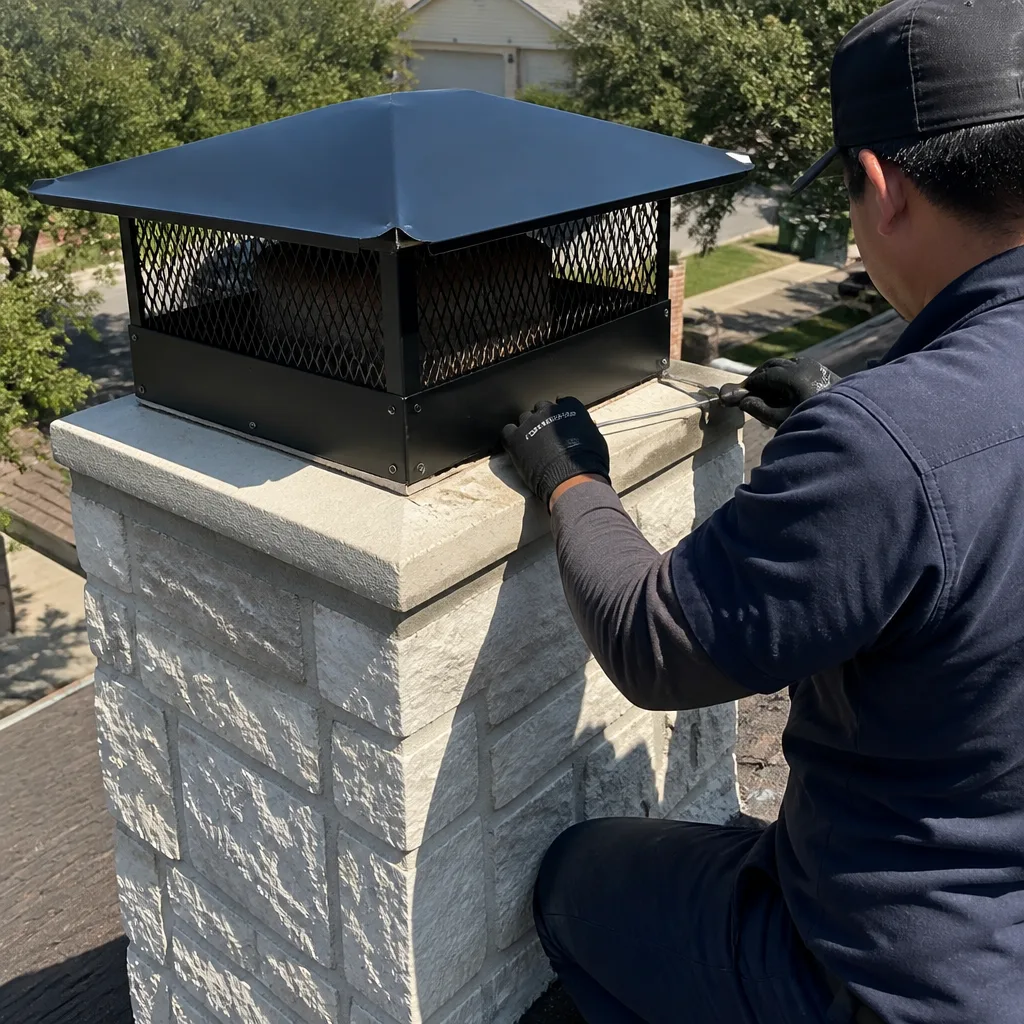
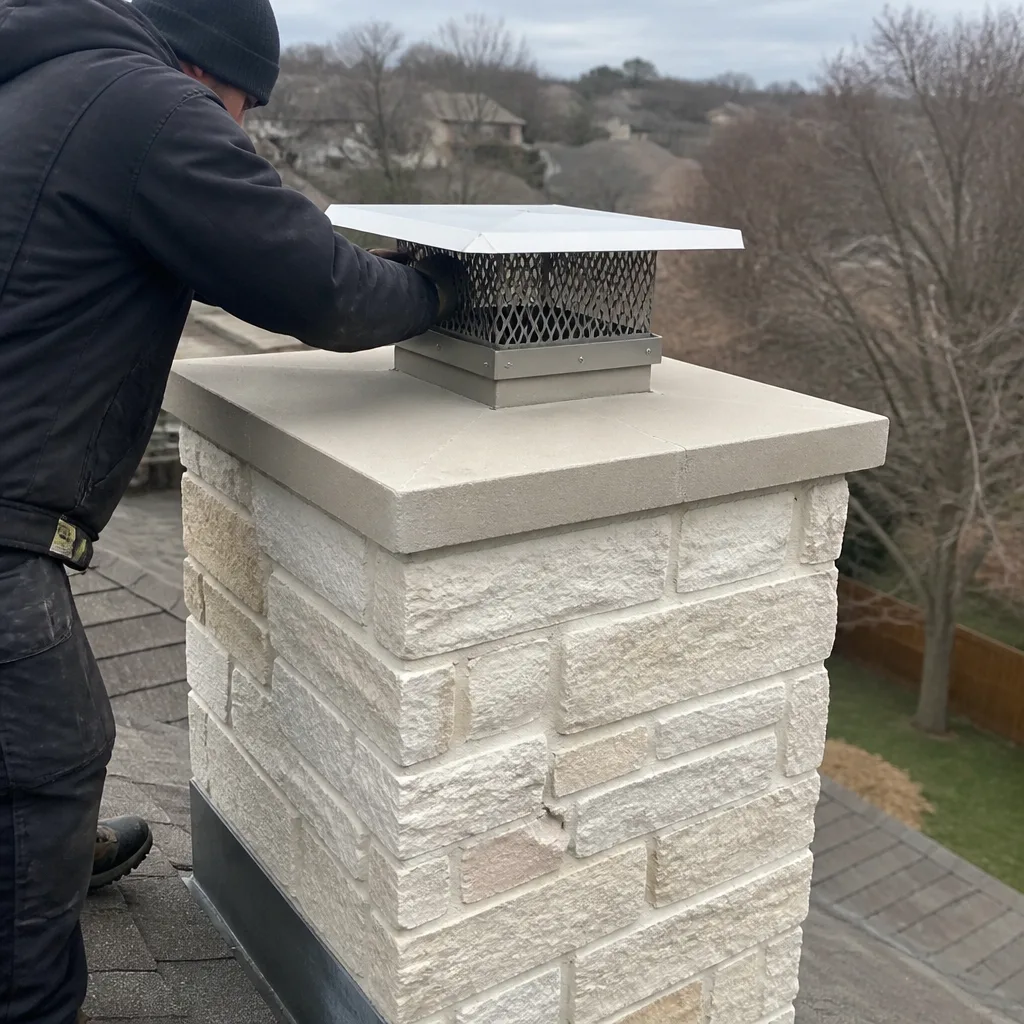
- Chimney cap and spark arrestor check. The cap keeps rain, leaves, birds, and squirrel nests out of your flue. In Dallas, chimney swifts (the birds, not the sweeps) nest in uncapped flues every spring. A proper sweep includes a check of the cap and the spark arrestor mesh. If the cap is missing or damaged, the technician should flag it and quote a replacement.
We carry professional-grade trade materials including Gelco, Olympia Chimney, Famco, and Copperfield, and we specify them by name because they’re the products chimney professionals trust, not whatever was on sale at the big-box store. When we install a cap or repair a crown, we’re installing a product built for this specific job, not improvised from general hardware.
Camera Inspection
Every professional operation in Dallas should offer camera inspection. We include it. A camera reveals cracks, gaps, and deteriorating tile that a standard brush-pass cannot, and the video doesn’t have an opinion. It shows you exactly what the technician sees. If you’re told you need a repair, you’ll be shown the footage that justifies it. No footage, no repair. It’s that simple. Learn more about our approach on our Chimney Inspection in Dallas page.
Common Mistakes to Avoid
- Hiring on price alone. A $49 Dallas chimney sweep is a lead-generation device, not a service. The average final bill after a bait-price sweep in North Texas runs $400 to $700 in repairs that may or may not be needed. You’ll pay more than the mid-market rate, and you’ll do it under pressure.
- Skipping the insurance certificate. Roof damage, cracked tile, a dropped tool through a skylight, a back injury on your property. Without a liability certificate from the company, every one of those is your exposure. Demand it. Every time.
- Accepting “the flue looks fine” without a camera. Cracked flue tile is the most common hidden problem in Dallas chimneys. It cannot be seen from the roof. A company that skips camera inspection is telling you the chimney is fine because they couldn’t see the problem, not because the problem doesn’t exist.
- Letting a stranger in without verification. If you don’t know the technician’s name before the appointment, you can’t check them. If the person at the door doesn’t match the photo the company sent, don’t open it. This is not paranoia; it’s the same standard you’d apply to any other stranger entering your home.
- Deferring a quote on a repair. “We’ll get you a price next week” usually means “we’re quoting a number based on what we think you’ll pay, not what the work costs.” Insist on a written price before any repair work begins, on the day of inspection if possible. We write every repair price before the work starts, and every repair carries a written guarantee: if it fails within the coverage period, the second visit is free.
- Assuming the company with the biggest ad budget does the best work. In Dallas, the most visible chimney companies are often national franchises with aggressive customer-acquisition targets and commission-based technician pay. Smaller local companies live and die on their referral reputation. That doesn’t make one inherently better, but it does mean you should check the three documents above regardless of how polished the marketing is.
- Treating chimney maintenance as optional. In Dallas, the most dangerous chimney is the one no one has looked at in six years. Creosote builds season after season. Flue tiles crack slowly. A small water leak around the crown grows through freeze-thaw cycles. The $180 sweep you skipped in 2019 becomes a $1,800 repair in 2025. Maintenance is cheaper than restoration, every single time.
When to Call a Professional
Some problems signal themselves. Smoke backing up into the room when you light a fire. A smell like hot asphalt coming from the fireplace. Water staining on the ceiling near the chimney chase. A chimney fire you suspect happened in the past. Any of these means the system needs professional attention, not a DIY inspection from the yard. Alcott Chimney Dallas home offers free estimates in Dallas. You can call (361) 264-4483 and a live person will answer, day or night. If your gas fireplace is the issue rather than the wood-burning flue, see our Gas Fireplace Repair in Dallas page.
Ruben Castellano, the owner at Alcott Chimney Dallas, has been serving Dallas since 2002. We’re the company that puts the technician’s name and photo in your hand before the appointment, gives you a written price before any work starts, and backs every repair with a written guarantee. If the repair fails within the coverage period, the second visit is free. That’s the 365-Day Done Right Promise, and it applies to every job we complete.
Our full sweep service is detailed on our Chimney Sweep in Dallas page. If you’re still in the research phase, that’s fine too. Read the guide, ask the five questions, request the three documents. Then call us and ask the same questions. We’ll pass.
Frequently Asked Questions
A standard chimney sweep in Dallas typically costs $160 to $300 before any repairs. The price varies based on the height of the flue, accessibility of the roof, and the degree of creosote buildup. Repairs are quoted separately, always in writing, before any work begins. Call (361) 264-4483 for an exact quote; estimates are free.
Only if the camera footage shows it. Cracked, spalled, or missing flue tiles are genuine problems that require a stainless liner, but the evidence should be visible on video taken that day, not described verbally by a technician on a ladder. In our experience, some Dallas homeowners are told they need liners when they actually need a thorough cleaning and a cap. Ask for the footage. No footage, no repair. Call (361) 264-4483 if you’ve been told you need a liner and want a second look.
Every year if you burn wood regularly, which means more than once or twice per season. The CSIA recommendation is an annual inspection and cleaning for fireplaces in active use. In Dallas, where the burning season is shorter but wood fires run hot and fast, creosote builds quickly and should be addressed annually. Gas fireplaces need less frequent sweeping but still benefit from an annual check. We offer sweeping through our Chimney Sweep in Dallas service.
Creosote, the tar-like residue from wood smoke, accumulates in layers inside the flue. In its third stage, it becomes a hard, glazed deposit that ignites at high temperatures and is the primary cause of chimney fires. A chimney fire can spread to the roof and the surrounding structure. Beyond fire risk, a blocked flue pushes carbon monoxide back into the living space. The annual cleaning is a fraction of the cost of either outcome. Call (361) 264-4483 to schedule before the burning season in Dallas begins.
Yes, a professional can clean most chimneys from inside, using industrial vacuums and brushes inserted through the firebox, with the roof accessed only for cap and crown inspection. Some Dallas homes with steep roof pitches or difficult access are better served from the roof side. A professional will assess the access points and clean accordingly, minimizing interior disruption.
A sweep removes creosote and soot. An inspection evaluates the condition of the flue, the mortar joints, the cap, the crown, and the damper: problems that a sweep alone won’t identify. The NFPA recommends a Level II inspection whenever a home is bought or sold, after a chimney fire, or when the heating system changes. We offer inspection-only service, explained on our Chimney Inspection in Dallas page, and we recommend scheduling one annually alongside your sweep.
The Bottom Line
Hiring a chimney cleaning contractor in Dallas comes down to three documents, five questions, and one rule: no written price, no work. Request the CSIA certification, the liability certificate, and technician ID before booking. Ask the phone questions that reveal whether the company trains technicians or hires salespeople. And when someone quotes you a repair, insist on camera footage before you pay a dollar. These steps take 20 minutes total and save hundreds, sometimes thousands, of dollars in unnecessary work. They also keep unknown contractor crews off your doorstep. A legitimate company won’t flinch at any of it. If they do, you’ve learned everything you need to know.
Written by Ruben Castellano, Owner at Alcott Chimney Dallas, serving Dallas since 2002.
See the difference
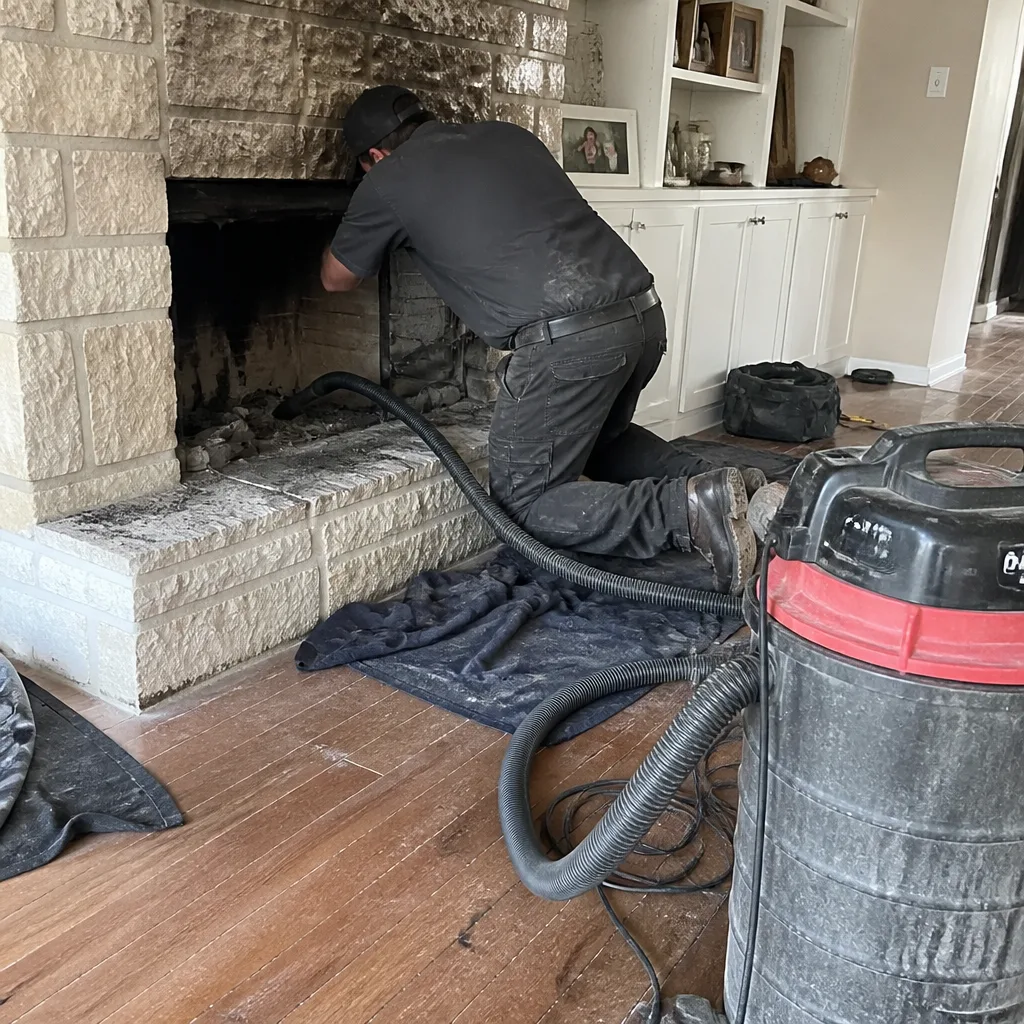 Before
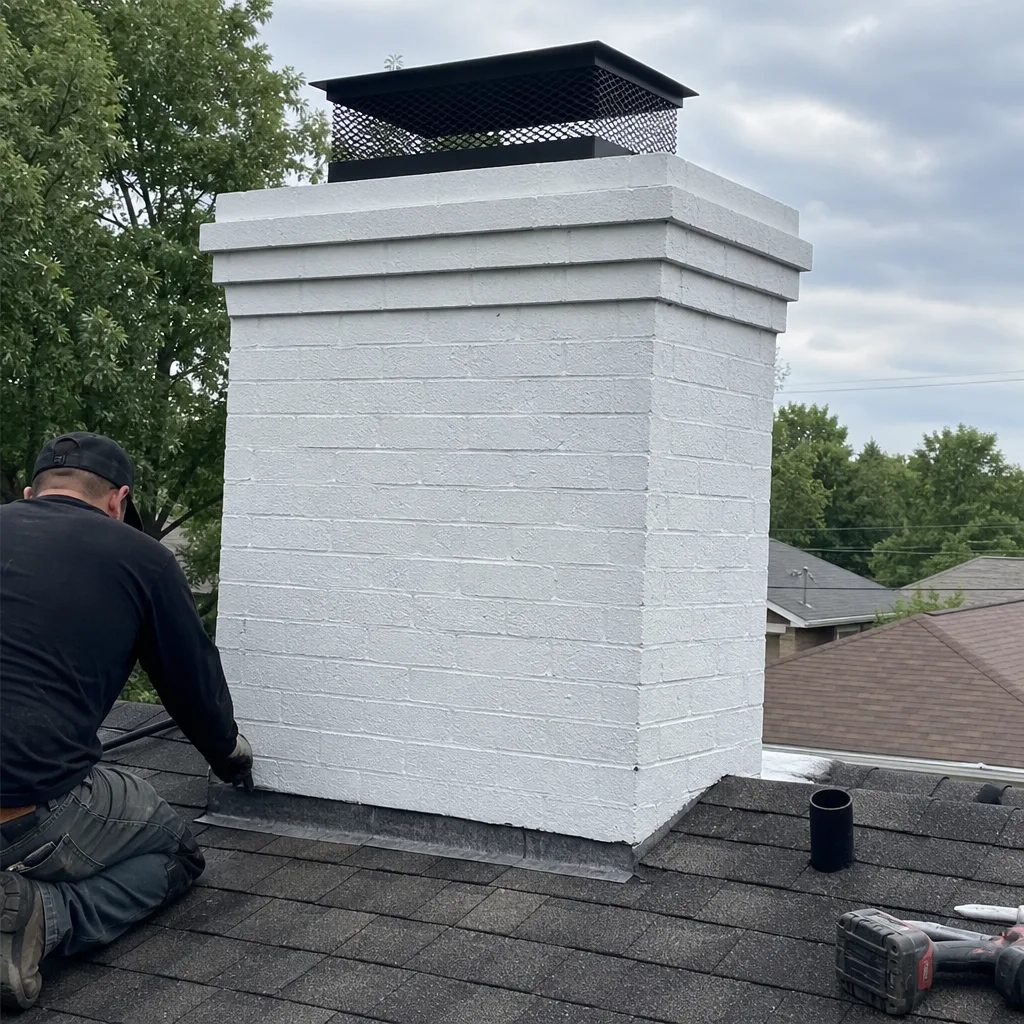 After
After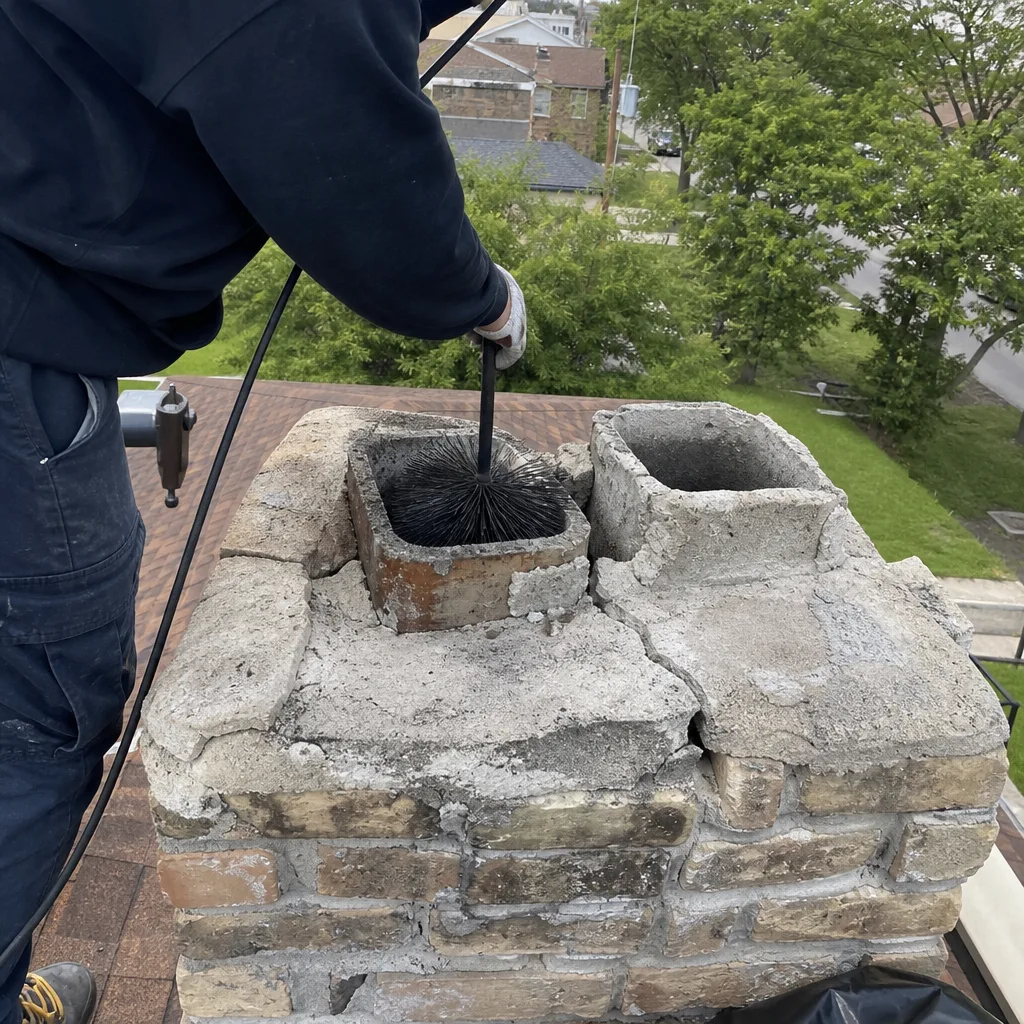 Before
 After
After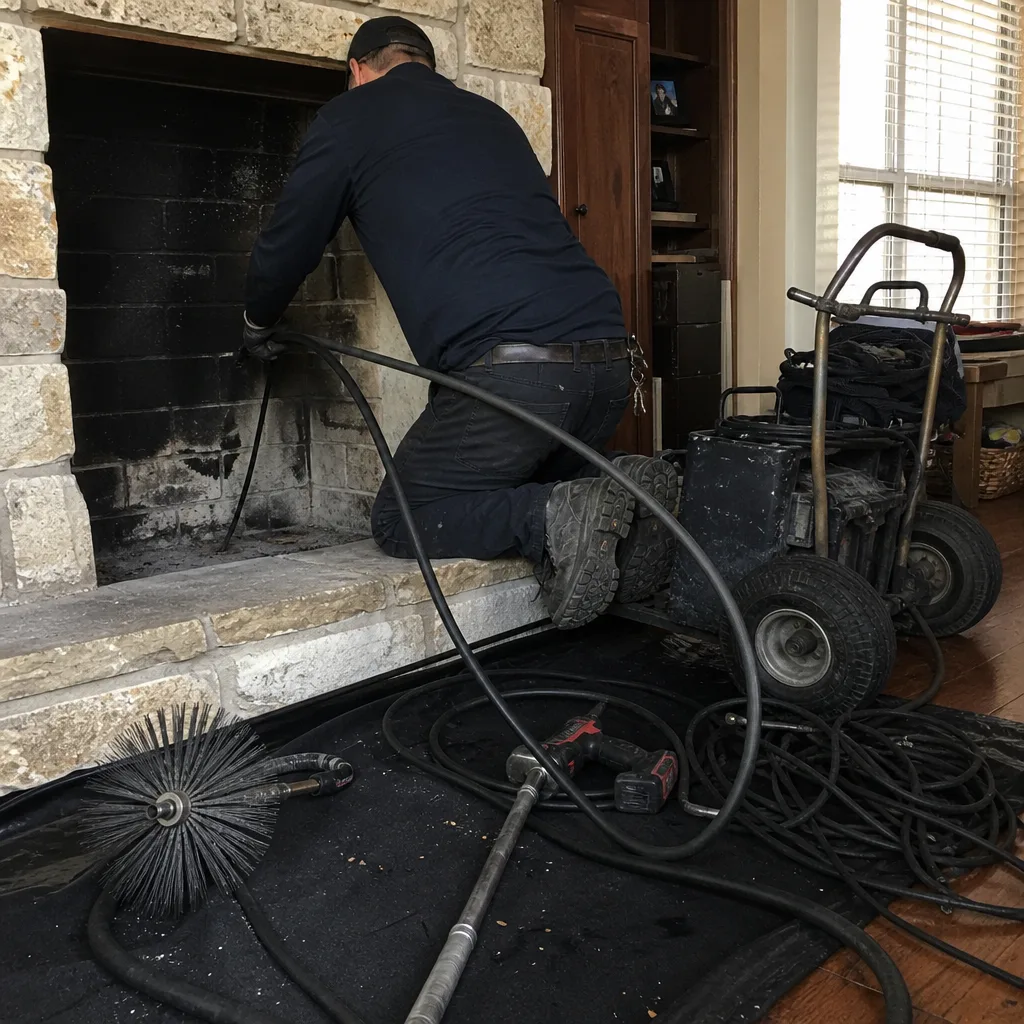 Before
 After
After