
Last updated October 15, 2026
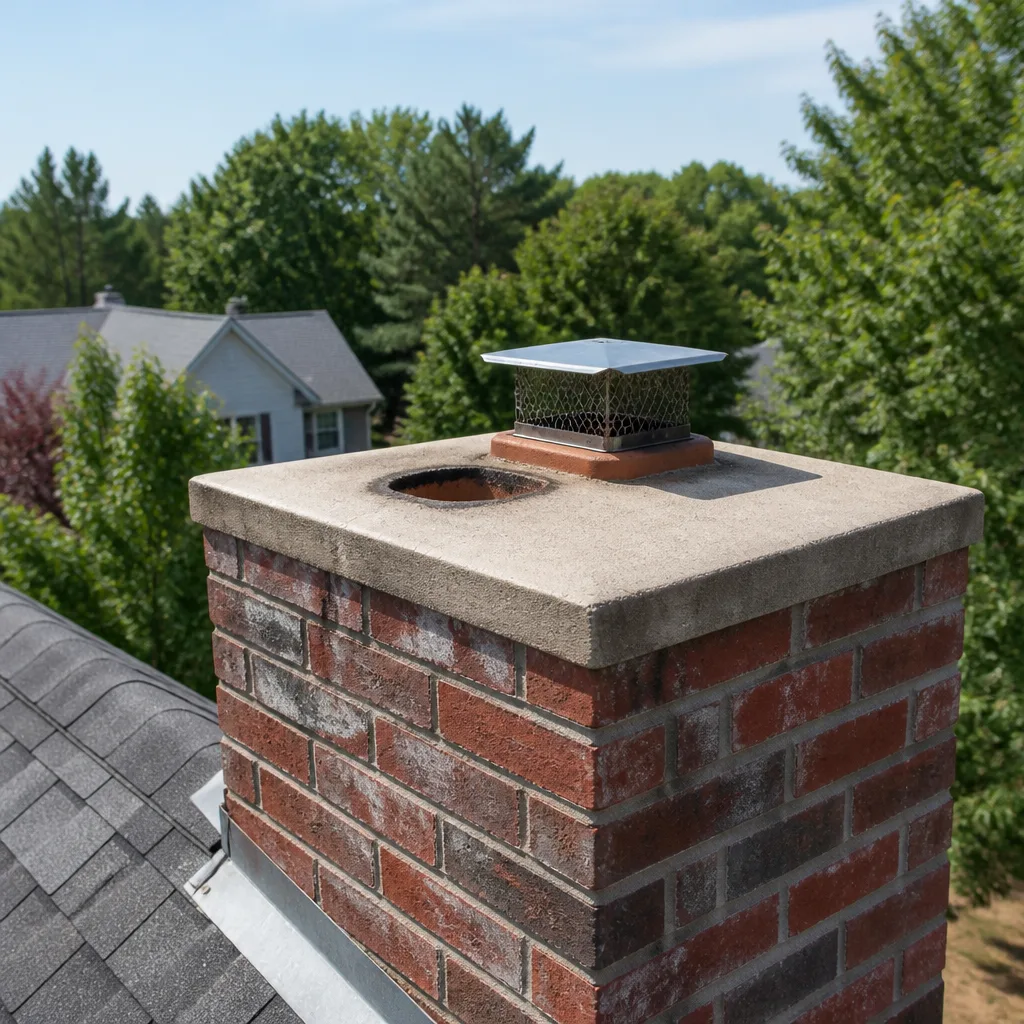 Sweep & inspection
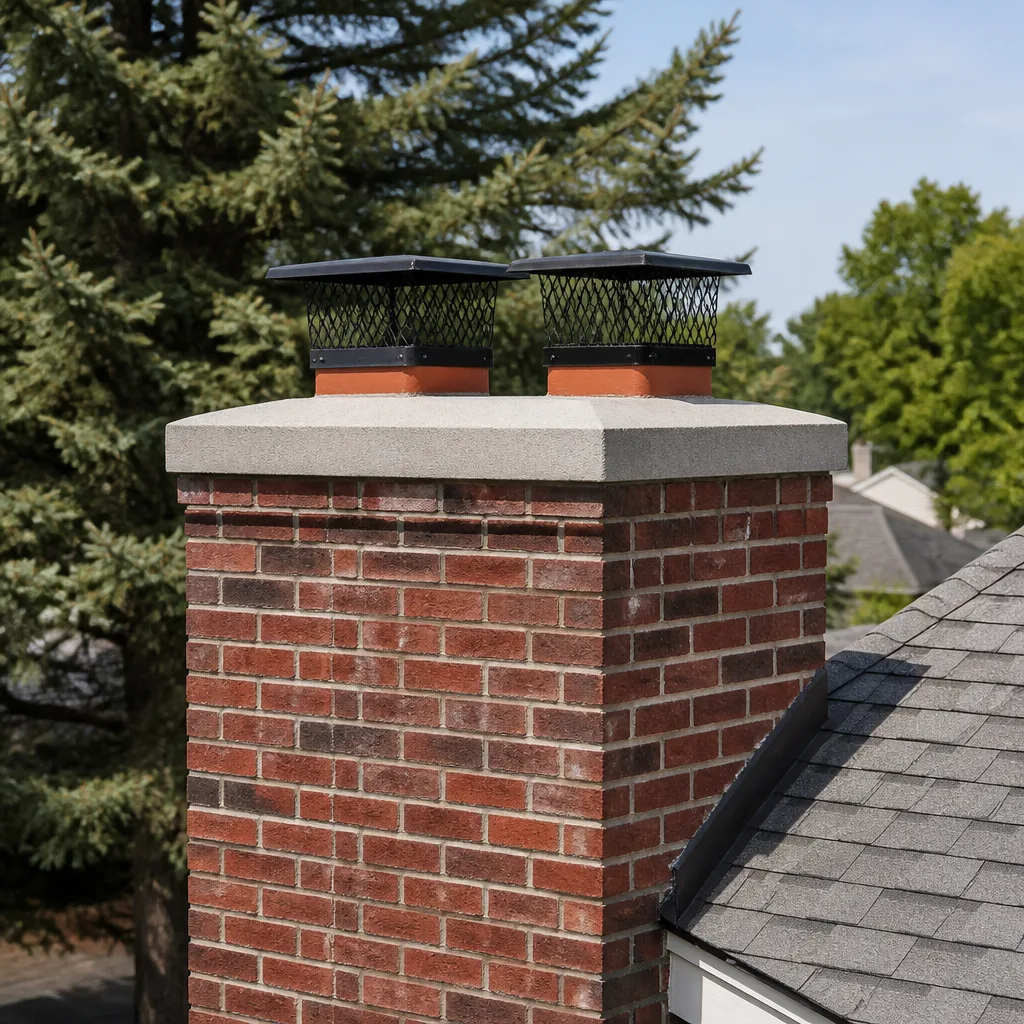 Caps & crowns
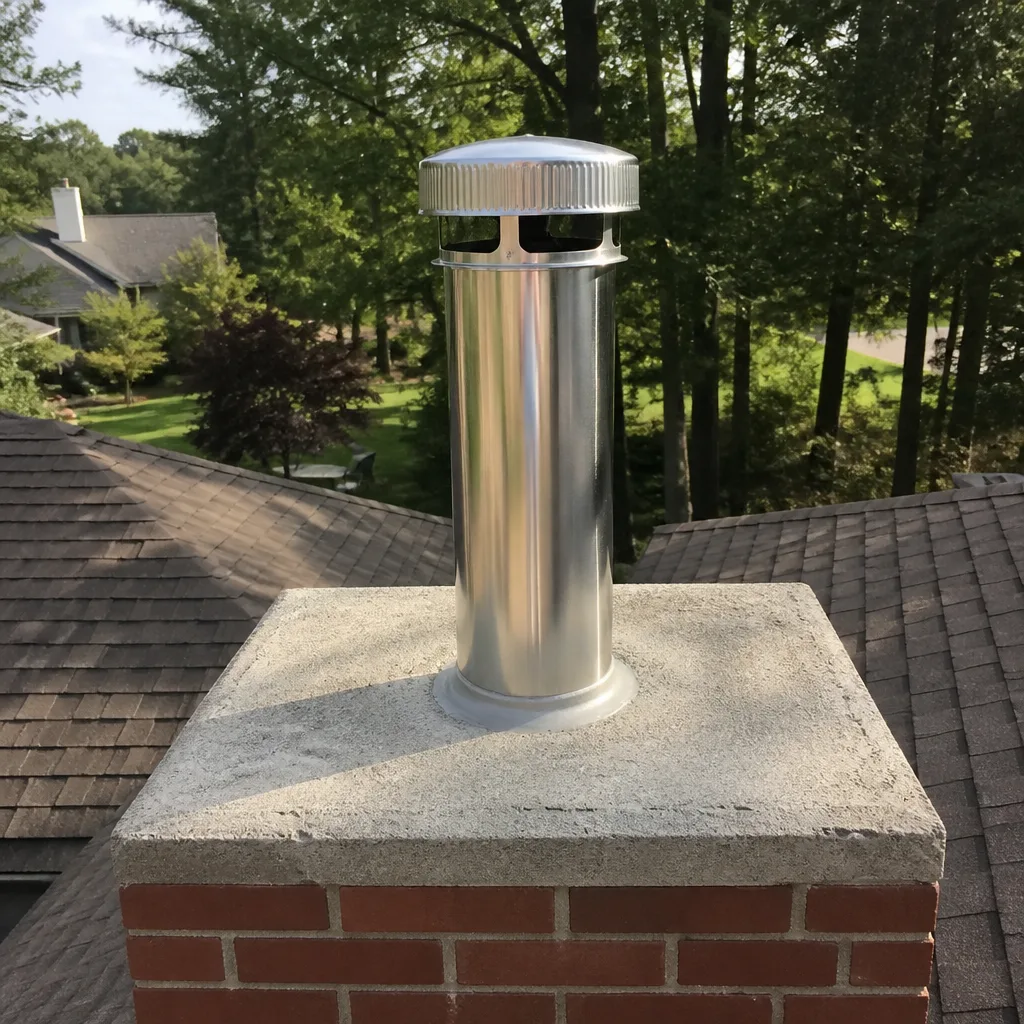 Flue relining
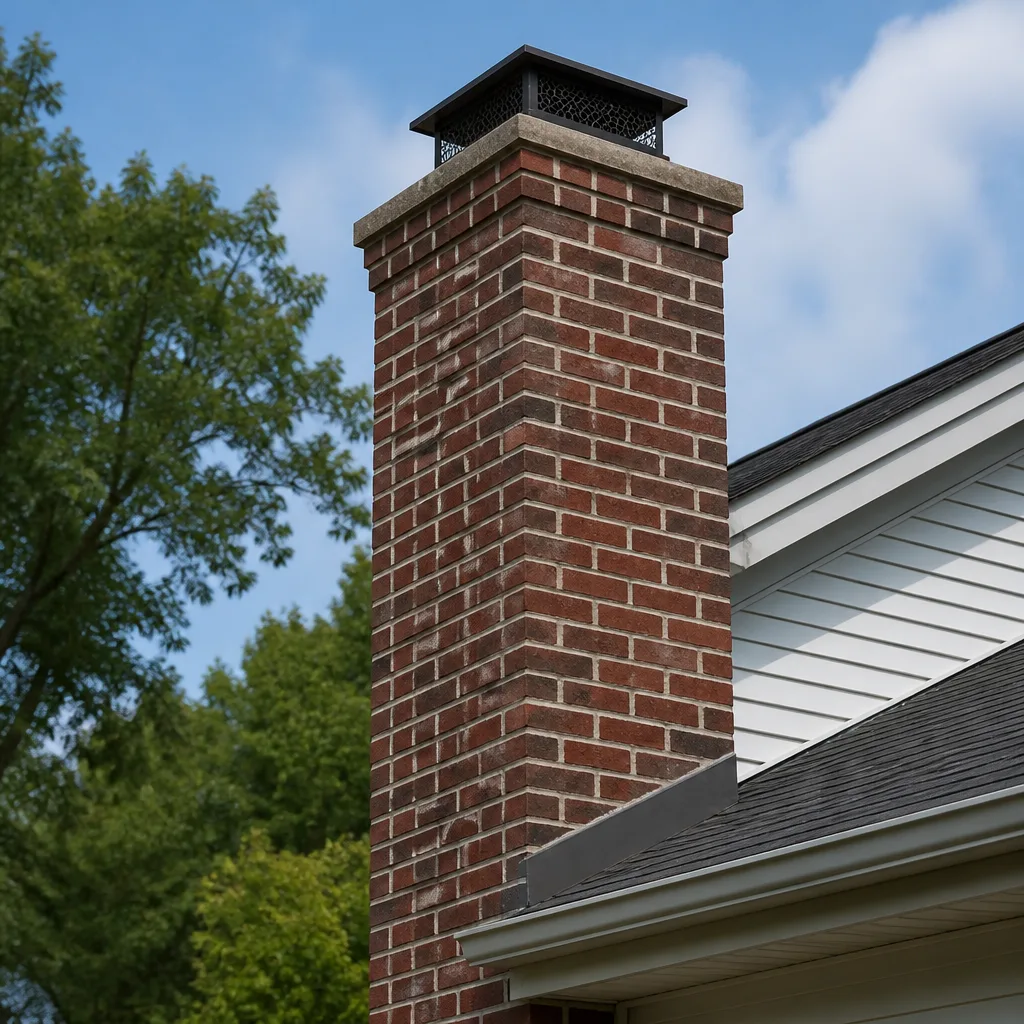 Masonry repair
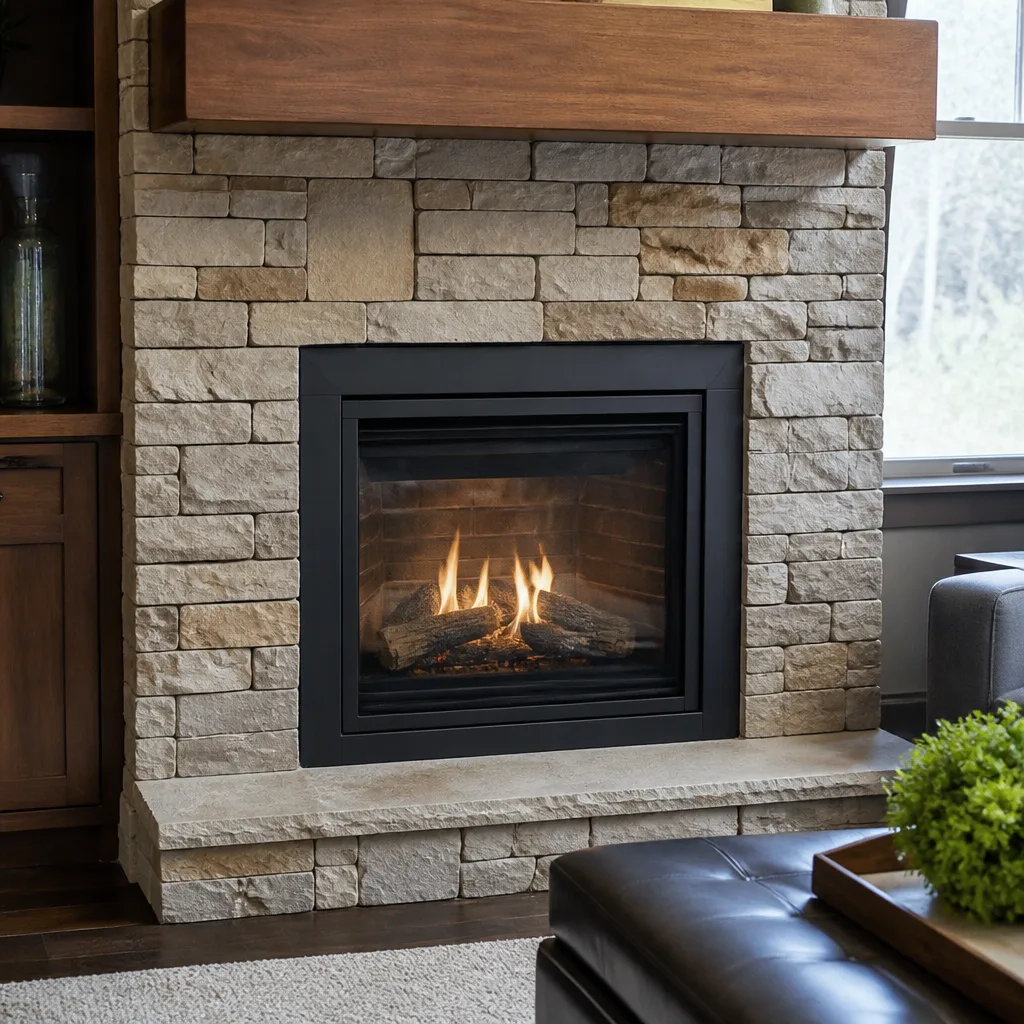 Gas fireplace service
Level 1 sweep and inspection to the NFPA 211 annual standard - flue, crown, cap, and flashing checked and photographed
Chimney sweep logs do not sweep chimneys. They loosen some creosote - which then falls where a brush and vacuum still have to collect it.
Chimney Cleaning Permits, Codes & Inspections in TX: What You Need to Know
If a chimney sweep “repairs” a cracked firebox liner during what was booked as a cleaning visit and no permit was pulled, that work is technically unpermitted in most Texas municipalities. It’s a fact that surfaces painfully during real estate transactions, when a home inspector flags the liner and the seller discovers the repair was never documented with the city. This guide draws a clear line between routine maintenance and regulated work, explains which Dallas-area municipalities enforce what, and shows you how to avoid the most expensive mistakes homeowners make with their chimneys. For a deeper dive, see The Complete Guide to Chimney Cleaning in Dallas.
Quick Answer
Chimney cleaning itself does not require a permit anywhere in Texas. But many repairs that cleaning uncovers, including firebox rebuilds and liner replacements, do require a permit in Dallas and surrounding cities, and even work that is permit-exempt must still meet the International Residential Code (IRC) Chapter 10 standards adopted by Texas. A chimney inspection for a real estate transaction is a separate, more thorough process than an annual cleaning.
Styles & brands we work with
Table of Contents
- Chimney Cleaning vs. Repairs: Where the Permit Line Actually Falls
- Texas Building Code and IRC Chapter 10: What Actually Applies to Your Chimney
- Dallas Permit Requirements vs. Plano, Garland, and Richardson
- Level I vs. Level II vs. Level III Inspections: Why the Difference Costs Money
- What to Do If a Previous Contractor Did Unpermitted Liner or Firebox Work
- How Alcott Documents Work for Permit Applications and Real Estate Disclosures
- Safety Codes You Should Know: Clearances, Liners, and Creosote Thresholds
- What a Permitted Chimney Repair Actually Costs and How Long It Takes in Dallas
Chimney Cleaning vs. Repairs: Where the Permit Line Actually Falls
Here’s the distinction in one sentence: sweeping removes what should not be there. Repairing replaces or rebuilds what should be there. Texas municipalities, including Dallas, regulate the second category and leave the first alone.
A chimney sweep, or a chimney cleaning, is the mechanical removal of creosote (the tar-like, highly flammable residue that builds up when wood burns) and soot from the flue and smoke chamber. No city in the Dallas-Fort Worth metro requires a permit for this. It’s classified as routine maintenance, the same way changing your HVAC filter doesn’t require city approval. For a full list of what to track, see our Chimney Sweep Maintenance Checklist for Dallas Homeowners.
The moment the work involves masonry, liners, or structural components, the classification changes. Specific chimney jobs that typically require a permit in Dallas proper include:
- Firebox rebuilds – replacing damaged firebrick or the mortar joints in the firebox where the actual fire burns
- Flue liner installation or replacement – installing a new stainless steel liner (like a DuraFlex system) or replacing a cracked clay tile liner
- Chimney crown replacement – the concrete cap at the top of the chimney that sheds water
- Partial or full chimney rebuilds – when the structure above the roofline is taken down and reconstructed
- Smoke chamber parging – applying a refractory mortar coating inside the smoke chamber to smooth the path for smoke
What typically does not require a permit: sweeping, a Level I or II inspection, installing a chimney cap, replacing a damper (unless the firebox is disturbed), or applying a resurfacing product like HeatShield if no structural repairs are made.
The line that surprises Dallas homeowners most often is the firebox. A firebox is the brick or stone box where logs sit. A sweep who “patches” a few cracked firebricks with furnace cement during a $200 cleaning has, in most Dallas-area jurisdictions, performed unpermitted masonry repair. It’s small work, and most of the time nothing comes of it. But if it gets flagged during a pre-sale inspection, the fix requires pulling an “as-built” permit, paying double fees, and often bringing the whole firebox up to current code, not just patching the original problem. Learn the warning signs early in our Chimney Cleaning Warning Signs: A Dallas Homeowner’s Reference Guide.
Texas Building Code and IRC Chapter 10: What Actually Applies to Your Chimney
Texas does not have a statewide building code. The state leaves code adoption to each municipality, and virtually every city in the Dallas-Fort Worth area has adopted the International Residential Code (IRC), which includes Chapter 10, the section dedicated to chimneys and fireplaces. When people ask about “chimney cleaning codes Texas,” they’re usually asking about IRC Chapter 10.
In plain English, IRC Chapter 10 governs:
- R1001 (Masonry chimneys) – how a masonry chimney must be built, including footing depth, wall thickness, and flue liner requirements. A masonry chimney in Dallas must have a flue liner of approved clay tile, refractory brick, or listed stainless steel (like Olympia Chimney or DuraFlex).
- R1003 (Factory-built fireplaces and chimneys) – prefabricated fireplace units and the chimney pipe they connect to. These are common in North Dallas homes built after 1990. The code requires the entire system be listed and installed per manufacturer instructions.
- R1004 (Chimney clearance) – how far combustible materials (wood framing, drywall, insulation) must sit from a masonry chimney. For most residential masonry chimneys, that’s 2 inches, but it changes based on chimney type.
- R1005 (Chimney height and termination) – how high a chimney must extend above the roofline. A chimney must terminate at least 3 feet above the roof penetration and at least 2 feet higher than any structure within 10 feet.
- R1006 (Fireplace firebox construction) – the dimensions and materials for the firebox, including hearth extension requirements (16 inches in front of the opening and 8 inches beyond each side for fireplaces under 6 square feet of opening).
What this means for a Dallas homeowner is simple: even if no permit is required, whatever work is done must still comply with these code sections. A sweep can legally clean your chimney without a permit, but if they install a liner, that liner must meet the clearance, size, and material requirements in Chapter 10. If they don’t, the liner may be legal in the sense that no permit was pulled, and code-compliant in the sense that no inspector reviewed it. You want both.
Dallas Permit Requirements vs. Plano, Garland, and Richardson
Texas municipalities each write their own amendments to the IRC. Dallas, Plano, Garland, and Richardson all require permits for firebox rebuilds and liner replacements, but they differ meaningfully in how they enforce and price them.
- Dallas (City of Dallas Development Services) – requires a building permit for any structural masonry work, including firebox rebuilds, flue liner replacement, chimney crown work that involves masonry, and partial or full chimney rebuilds. Dallas does not require a permit for a simple sweep, a Level I or II inspection, or installing a rain cap. A typical chimney repair permit in Dallas runs between $60 and $250 depending on the declared valuation of the work, plus any required inspections.
- Plano – similar to Dallas but faster processing. Plano’s online permitting portal allows contractors to pull residential chimney repair permits digitally. Plano has been more aggressive in recent years about flue liner permits, driven by a spike in chimney fire calls in the western parts of the city.
- Garland – requires permits for firebox and liner work, and Garland inspectors are known among Dallas-area chimney companies for being particular about firebox dimensions and hearth extension depth during final inspections. A Garland firebox rebuild usually adds one extra inspection cycle compared to Dallas.
- Richardson – permits for firebox and liner work, but Richardson allows some minor firebox repointing (tuckpointing mortar joints without removing bricks) to proceed without a permit if the total repair area is under 2 square feet. It’s an unusual carve-out and worth confirming with Richardson Building Inspection before work starts.
If you live in an unincorporated part of Dallas County, there is no permitting authority for chimney work at all. But even unincorporated areas are subject to Texas county fire codes and, importantly, to your homeowner’s insurance policy’s requirements for maintaining a safe chimney.
The practical takeaway for a homeowner in any of these cities: when a sweep from any company, including ours, recommends firebox repair or a new liner, ask directly: “Is this work that requires a permit in this city?” A company that says “we don’t bother with permits for work this small” is making a choice about your property’s legal standing, not just your fireplace’s function.
Level I vs. Level II vs. Level III Inspections: Why the Difference Costs Money
The National Fire Protection Association (NFPA 211, Standard for Chimneys, Fireplaces, Vents, and Solid Fuel-Burning Appliances) establishes three levels of chimney inspection. The levels are often conflated with cleanings, which leads to homeowners paying for the wrong service, or avoiding the right one.
Level I Inspection
A Level I inspection is the basic check performed during an annual maintenance visit. The technician examines the readily accessible areas of the chimney and appliance: the firebox, damper, flue (from the top and bottom where visible), and exterior surfaces. No special tools, no climbing on the roof in most cases, no invasive work. A Level I is appropriate for a chimney that has been serviced regularly and is used under the same conditions year after year.
Level II Inspection
A Level II inspection is required when any of the following occur:
- You’re buying or selling the home (most real estate chimney inspections are Level II)
- A chimney fire has occurred
- An earthquake, severe storm, lightning strike, or other significant weather event has potentially damaged the structure
- The appliance or flue system is being changed (a new insert, a fuel conversion)
- A building addition or structural change has affected the chimney
A Level II inspection includes everything in a Level I plus access to the entire flue system, typically using a video camera. This is where problems like hidden cracks in clay tile liners, missing mortar between flue tiles, deteriorated smoke chambers, and improper clearances in concealed areas get found. If you’re buying a home in Lakewood or East Dallas built before 1970, a Level II inspection is the single best money you’ll spend on the chimney, because older masonry chimneys in Dallas routinely hide problems in the section of flue that runs through the attic and can’t be seen from either end.
Level III Inspection
A Level III inspection involves removing portions of the chimney or building structure to access hidden areas. You’d only need this if a Level II inspection found a serious problem that required intrusive investigation. Confirmatory testing after a chimney fire where the extent of damage is unclear would trigger a Level III.
The cost difference is meaningful. In the Dallas market, a Level I inspection is often bundled free with a chimney sweeping visit. A Level II inspection typically runs $150 to $350 in Dallas proper, more if the home is larger or the flue is difficult to access. A Level III inspection can run $500 or more. Our Chimney Inspection in Dallas page covers these levels in more detail.
What to Do If a Previous Contractor Did Unpermitted Liner or Firebox Work
We’ve walked into hundreds of Dallas homes where a homeowner or a previous “handyman” did unpermitted firebox or liner work and the current owner didn’t know until a real estate inspector flagged it. The path forward is the same every time, and it’s manageable.
Here is the practical remediation path, in order:
- Find out what was actually done. If the previous homeowner left records, great. If not, a Level II camera inspection will tell you what exists now, even if it can’t tell you who put it there. Video documentation of the current condition is the starting point.
- Get a written assessment of code compliance. A qualified chimney professional can tell you whether the existing work meets current IRC Chapter 10 standards, regardless of whether it was permitted. In our experience, about half the unpermitted work we see in Dallas is actually code-compliant work that just was never documented. The other half needs repair or replacement.
- If the work is compliant but unpermitted, contact the city. Dallas Development Services has a process for retroactive, or “as-built,” permits. You’ll typically pay the standard permit fee plus a penalty (often 2x the original fee, capped in Dallas for residential work). An inspector will visit, verify the work, and issue a certificate of compliance if it passes. This creates the paper trail a future buyer wants.
- If the work is not compliant, you have two choices. Leave it and disclose it honestly when selling (which will reduce your sale price by roughly the cost of the repair plus a discount for buyer risk), or fix it properly with a permit this time. Most Dallas sellers choose the second option because a clean permit history on a chimney is a small but real selling point in a competitive market.
- Document everything. Keep the permit, the inspection report, and the contractor’s written guarantee in a single file. In Dallas real estate transactions, a seller who can produce this file during due diligence eliminates one of the most common negotiation points on older homes.
One thing we tell every homeowner dealing with this: do not panic. Unpermitted chimney work is common across Texas, the city has a process for resolving it, and the total cost to make it right is almost always less than the cost of the discount a buyer extracts when work is undisclosed.
How Alcott Documents Work for Permit Applications and Real Estate Disclosures
Every chimney job we perform in Dallas includes a written service report, and for any repair that requires or should receive a city permit, we include the documentation format that the City of Dallas and surrounding municipalities request during permit application and inspection.
Our documentation package includes:
- Before-and-after camera images or video – Level II inspections include a full video pass of the flue before and after work, which forms the evidentiary basis for both permit final inspections and real estate disclosures
- Written scope of work with material specifications – if we install a liner, the report specifies the exact product (for example, a DuraFlex 316L stainless steel liner listed to UL 1777), the diameter, the length, and the installation date
- A code-reference sheet – for permitted work, we note the relevant IRC Chapter 10 sections the work addresses, which municipal inspectors in Dallas, Garland, and Plano appreciate because it moves final inspections faster
- The written guarantee – our guarantee on every repair, in writing, with the coverage period and the remedy clearly stated. If the repair fails within the coverage period, the second visit is free. This guarantee travels with the paperwork when you sell the home, which is a meaningful disclosure document.
If you’re applying for a retroactive permit to address someone else’s old work, we can help you assemble the technical package the city wants: a current condition report with photos, a code-compliance assessment, and a written repair scope if any corrective work is needed.
For gas fireplace work, which is the third of our three core services alongside sweeping and inspection, the same documentation standards apply. A Gas Fireplace Repair in Dallas that involves venting or burner replacement generates the same camera documentation and code-reference report.
Safety Codes You Should Know: Clearances, Liners, and Creosote Thresholds
Beyond permits, IRC Chapter 10 and NFPA 211 contain safety thresholds that matter for any Dallas homeowner, whether or not a permit is involved. These are the numbers we quote most often during Level II inspections in older Dallas homes.
- Creosote buildup of 1/8 inch or more – NFPA 211 says a chimney should be cleaned when creosote buildup reaches 1/8 inch. Creosote is the tar-like residue from burning wood, and it’s highly combustible. A chimney fire in Dallas usually starts because this threshold was ignored. A standard chimney sweep in Dallas typically runs $180 to $325 before any repairs, and it’s far cheaper than the $3,000 to $8,000 a chimney fire can cost in liner replacement and masonry repair.
- Flue liner requirement – IRC R1001 requires a liner in every masonry chimney. In Dallas, where most homes built before 1960 have original clay tile liners, cracked or missing liner tiles are the most common Level II inspection finding. An unlined chimney or one with a compromised liner lets heat and combustion gases reach the masonry and framing, which is a fire risk, not just a code issue.
- Clearance to combustibles – IRC R1004 requires 2 inches of clearance between a masonry chimney’s exterior and any combustible material in most residential applications. In older Dallas homes, it’s common to find framing or insulation packed against the chimney in the attic. This is one of the most underreported safety findings in North Texas.
- Chimney height – IRC R1005 requires the chimney to extend at least 3 feet above the roof penetration and at least 2 feet above anything within 10 feet. Roof additions, satellite dishes, and even solar panel installations in Dallas have created non-compliant chimneys that draft poorly and pose a carbon monoxide risk.
All of these are matters of code compliance, but more importantly, they’re matters of safety. A chimney that doesn’t draft properly doesn’t just smoke; it can push carbon monoxide back into the house, and carbon monoxide is odorless, colorless, and lethal in high concentrations. If you smell wood smoke in your living room after a fire, that’s a prompt for a Level II inspection, not something to live with through one more Texas winter.
What a Permitted Chimney Repair Actually Costs and How Long It Takes in Dallas
We give written prices before any work starts, so you know the number before a single brick is touched. In the Dallas market as of 2025, here are realistic ranges for the permitted repairs we perform most often:
- Firebox rebuild (permitted) – $1,200 to $2,800 depending on firebox size and whether a new damper is needed. A permit from the City of Dallas adds $60 to $150. Timeline: 2 to 3 days, plus a final inspection that’s typically scheduled within 5 business days of completion.
- Stainless steel liner installation (permitted, DuraFlex or Olympia Chimney) – $2,500 to $5,000 depending on chimney height, access, and whether insulation is required by the manufacturer. Permit: $60 to $200 in Dallas. Timeline: 1 day for installation, plus an inspection usually within a week.
- Crown replacement with masonry repair (permitted if masonry is involved) – $800 to $1,800. Timeline: 1 day, inspection within a few days.
- Standard sweeping and Level I inspection (no permit needed) – $180 to $325. Timeline: same day, 60 to 90 minutes.
- Level II camera inspection (no permit needed) – $150 to $350 in Dallas. Timeline: same day, about 2 hours. This is the inspection you want when buying a home, after a chimney fire, or with any older Dallas masonry chimney.
Every one of these comes with a written price before work begins and a written guarantee on the repair. If a repair fails within the coverage period, we return at no charge and fix it. That’s the 365-Day Done Right Promise, and it’s included on every job, not offered as an add-on.
Common Mistakes to Avoid
- Believing “no permit required” means “no code applies.” Cleanings don’t need permits, but any repair still must meet IRC Chapter 10 standards. An uncoded, unpermitted liner replacement can be a fire hazard that satisfies no inspector and no insurance company.
- Confusing a cleaning with a Level II inspection. A $200 sweep removes creosote. It does not document the condition of the flue, the firebox, or the chimney structure. We see this confusion weekly in Dallas, and it usually costs a home seller money at inspection time.
- Letting a “handyman” patch a firebox. Firebox repair is masonry work that in Dallas requires a permit. The $150 patch job becomes a $1,800 permitted rebuild when the patch fails or when a buyer’s inspector flags it.
- Waiting until you sell the house to find out about unpermitted work. Running a retroactive permit takes weeks in Dallas. The time to resolve unpermitted chimney work is before you list, not during the option period when the buyer has leverage.
- Ignoring a 1/8-inch creosote reading. The threshold isn’t a suggestion. North Texas winters mean long burn seasons, and a chimney fire in Dallas usually follows months of ignored buildup.
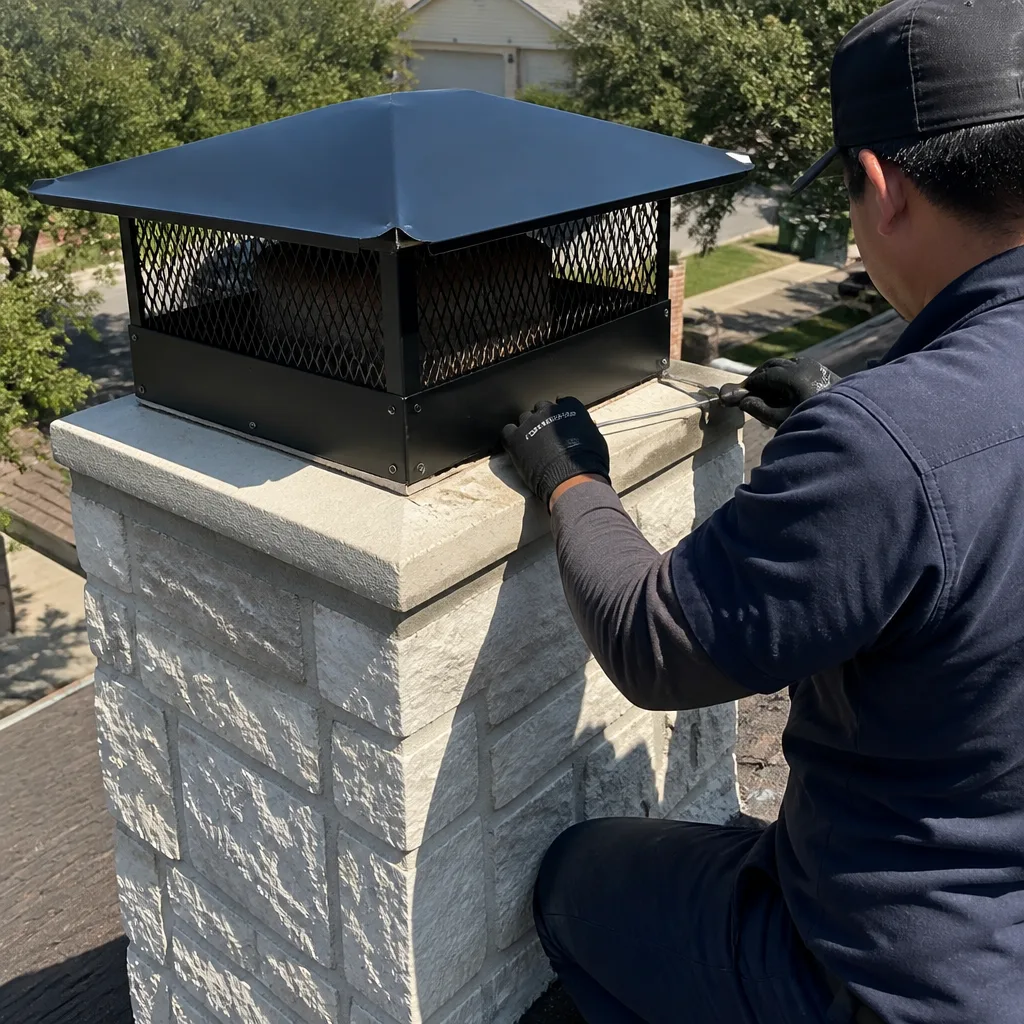
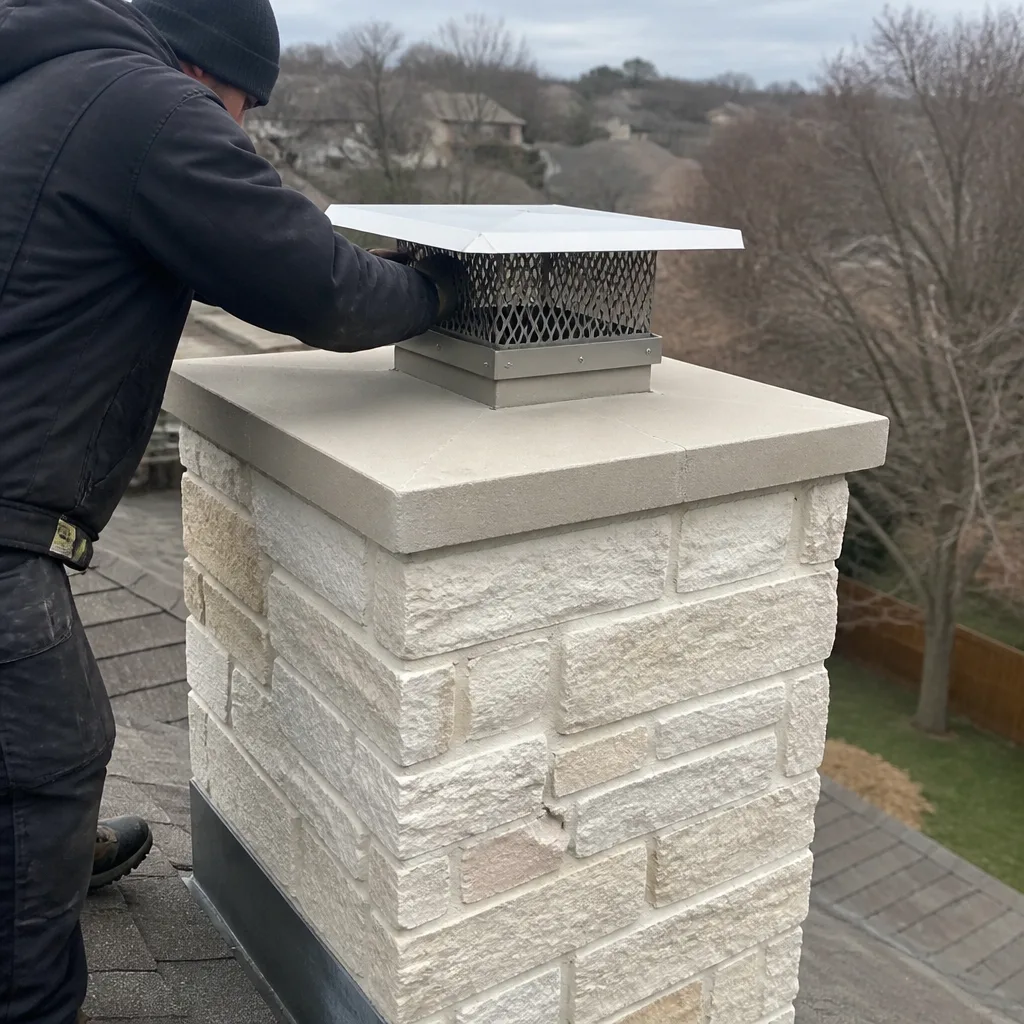
- Assuming a chimney cap is cosmetic. An uncapped chimney in Dallas takes in rain, which deteriorates the firebox mortar and creates the conditions for expensive repair. A cap is $150 to $400, and it prevents the $2,000 problem.
- Skipping the final inspection because “the work is done.” Permitted work in Dallas requires a final inspection. Work that is never signed off by the city is, for practical purposes, the same as unpermitted work when it comes time to sell.
See the difference
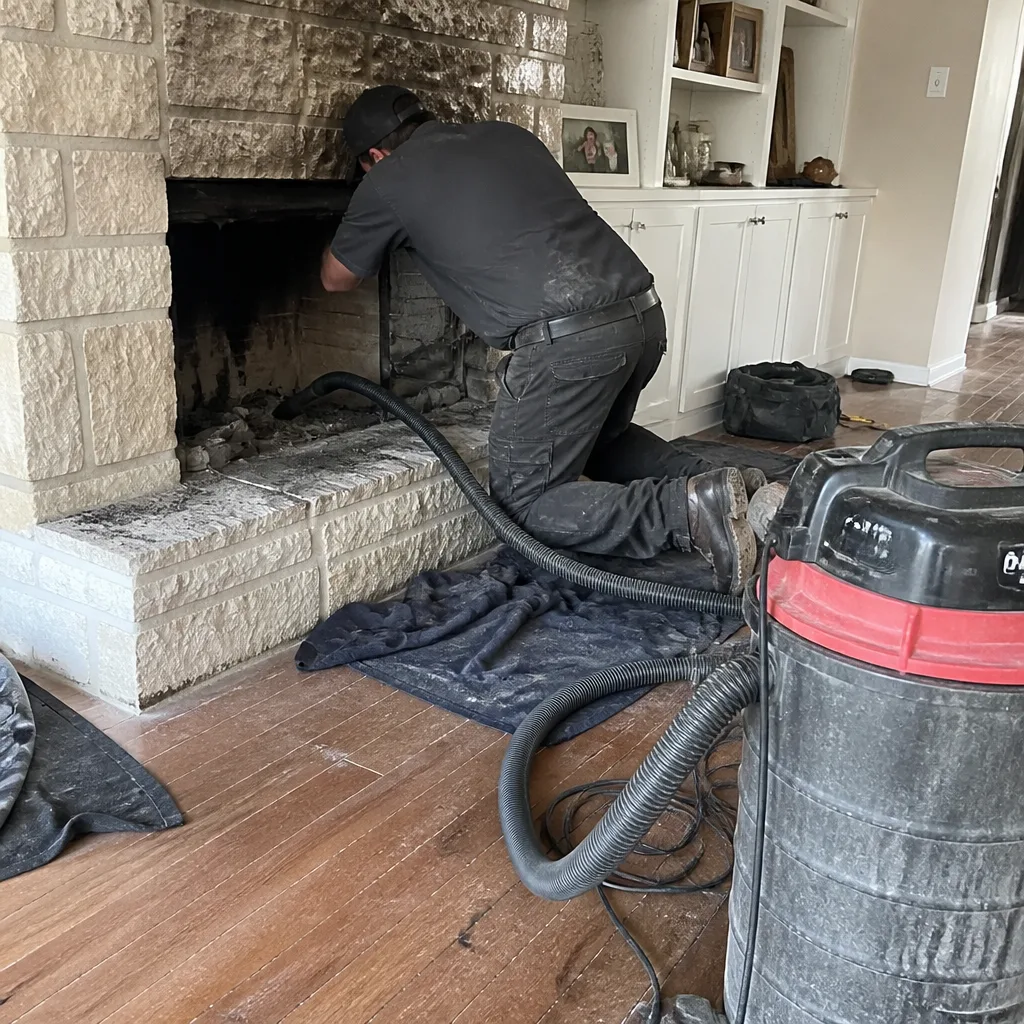 Before
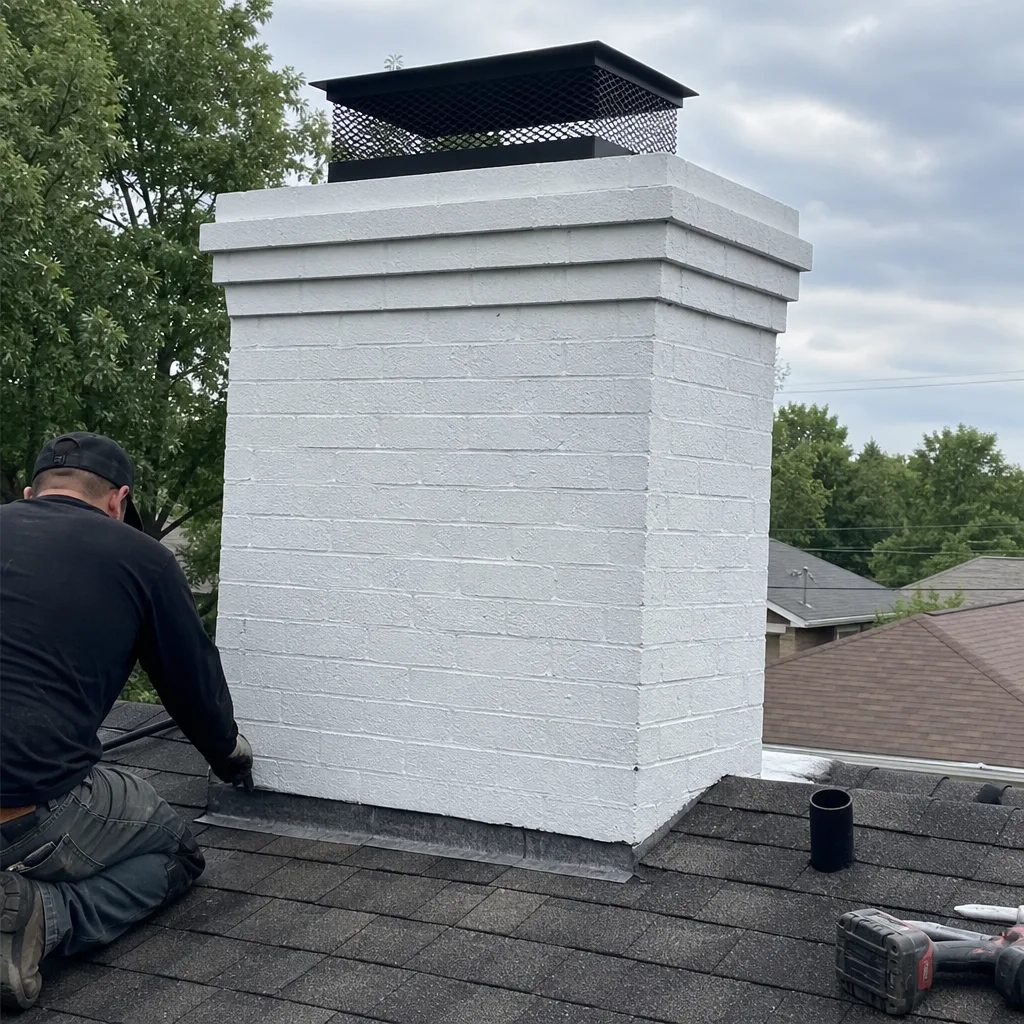 After
After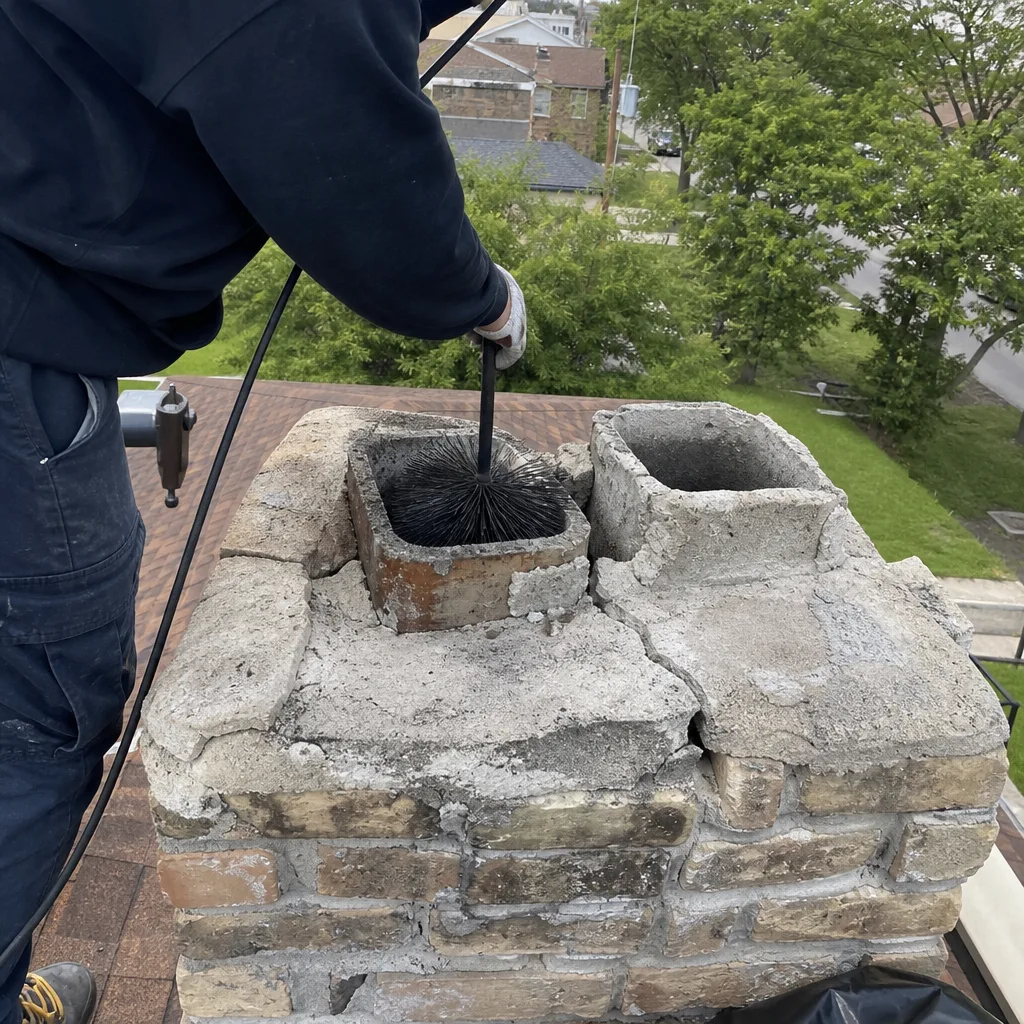 Before
 After
After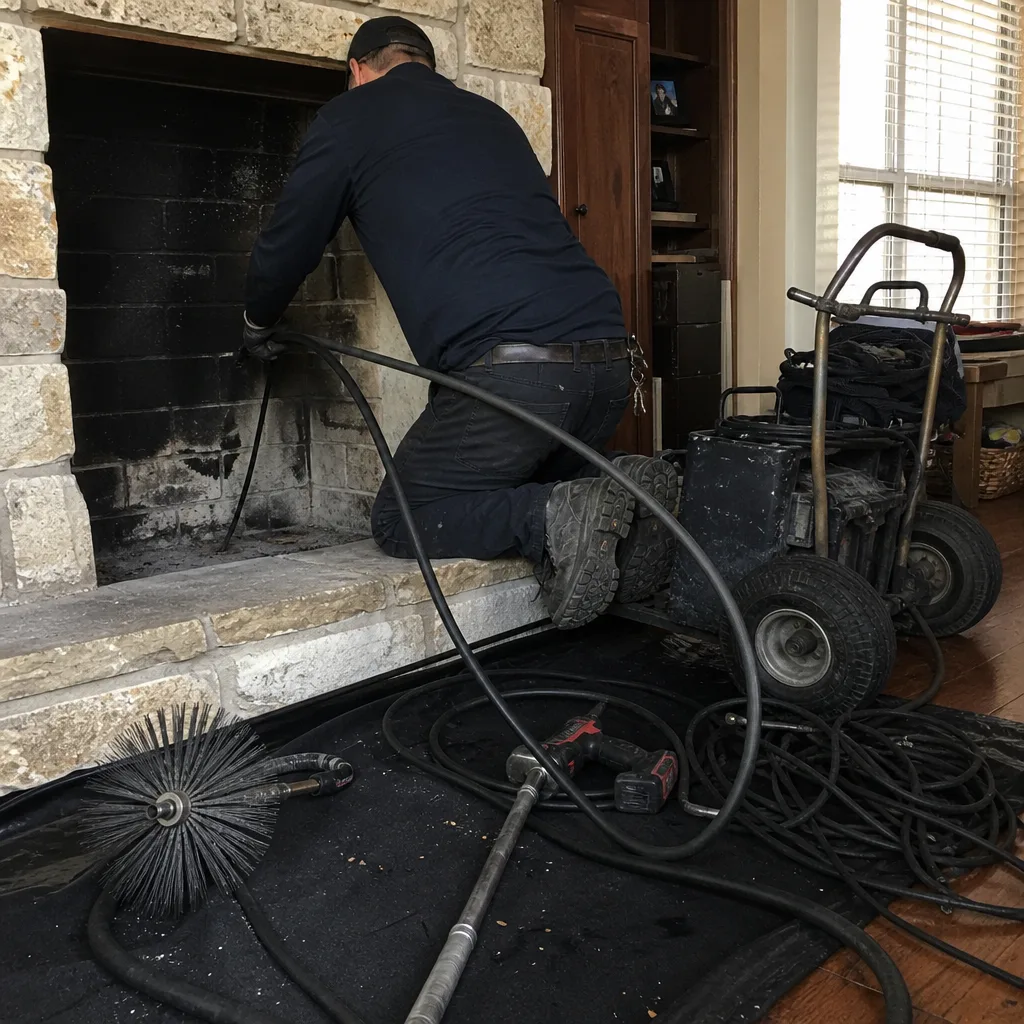 Before
 After
AfterWhen to Call a Professional
If you can smell smoke in your living room after a fire, if you see white staining on the exterior brick, if a home inspector flagged the chimney in a pre-purchase report, if you know unpermitted firebox or liner work was done in the past, or if you simply haven’t had the chimney inspected since buying the house, it’s time. These are precisely the situations where the distinction between a cleaning and an inspection matters, and where code compliance becomes a real financial issue. Alcott Chimney Dallas offers free estimates in Dallas, and we’ve been serving homeowners since 2002. Explore more guides & resources on our blog. Call (361) 264-4483, and a live person will answer, not a voicemail queue.
Frequently Asked Questions
No. Chimney sweeping, also called chimney cleaning, is routine maintenance that requires no permit anywhere in Texas, including Dallas, Plano, Garland, and Richardson. A standard chimney sweep in Dallas typically runs $180 to $325. However, if the sweep reveals needed repairs like a firebox rebuild or a liner replacement, those repairs likely require a city permit. Call (361) 264-4483 for a free estimate and a clear answer on whether any recommended work needs permitting.
A standard chimney sweep in Dallas typically costs between $180 and $325 before any repairs, and it takes 60 to 90 minutes. The price varies based on chimney height, accessibility, and how much creosote has accumulated. We provide a written price before any work starts, so the number you’re quoted is the number you pay. Call (361) 264-4483 for an exact quote.
A cleaning removes creosote and soot. A Level II inspection is a camera-based examination of the entire flue, firebox, smoke chamber, and exterior structure. It’s required when buying or selling a home, after a chimney fire, or after major weather events. A Level II inspection in Dallas typically costs $150 to $350. Conflating the two is the most common mistake that costs Dallas home sellers money at closing.
Yes, but you’ll almost certainly take a price reduction larger than the cost of fixing the problem. In Dallas real estate transactions, unpermitted firebox or liner work is a common negotiation point that buyers use to extract concessions. The practical path is to get a Level II inspection, determine whether the work is code-compliant, and either obtain a retroactive permit from the city or perform a proper permitted repair before listing. Documenting everything gives you leverage in the sale.
NFPA 211 says to clean a chimney when creosote reaches 1/8 inch, which for most Dallas homes that burn wood regularly means once per year, ideally in late summer or early fall before the burn season starts. Homes that burn unseasoned wood, or that have older chimneys with draft problems, may need sweeping twice per heating season. A chimney fire in Dallas is almost always the result of skipping this maintenance threshold.
Yes. For any repair that requires a permit in the customer’s city, whether Dallas, Plano, Garland, Richardson, or the surrounding metro, we handle the permit application, coordinate the rough and final inspections, and provide the customer with a complete documentation package including the city’s final inspection sign-off. The permit fee is included in the written price we provide before work begins.
The Bottom Line
Cleaning a chimney in Texas requires no permit. But the permits, codes, and inspections that do apply are where Dallas homeowners lose money: unpermitted firebox patches that cut $2,000 off a sale price, a skipped Level II inspection that lets a cracked liner go into winter, a handyman repair that violates IRC Chapter 10 and fails the next buyer’s inspection. The cheap fix is rarely cheap by the time it’s discovered. Know the line between maintenance and regulated work, document everything, and when work is done, do it with a permit and a written guarantee. If you have questions about your own chimney, call Alcott Chimney Dallas at (361) 264-4483, or start with a Chimney Sweep in Dallas that will give you a straight answer, in writing, before any work begins.
Written by Ruben Castellano, Owner at Alcott Chimney Dallas, serving Dallas since 2002.