
Last updated October 15, 2026
 Sweep & inspection
 Caps & crowns
 Flue relining
 Masonry repair
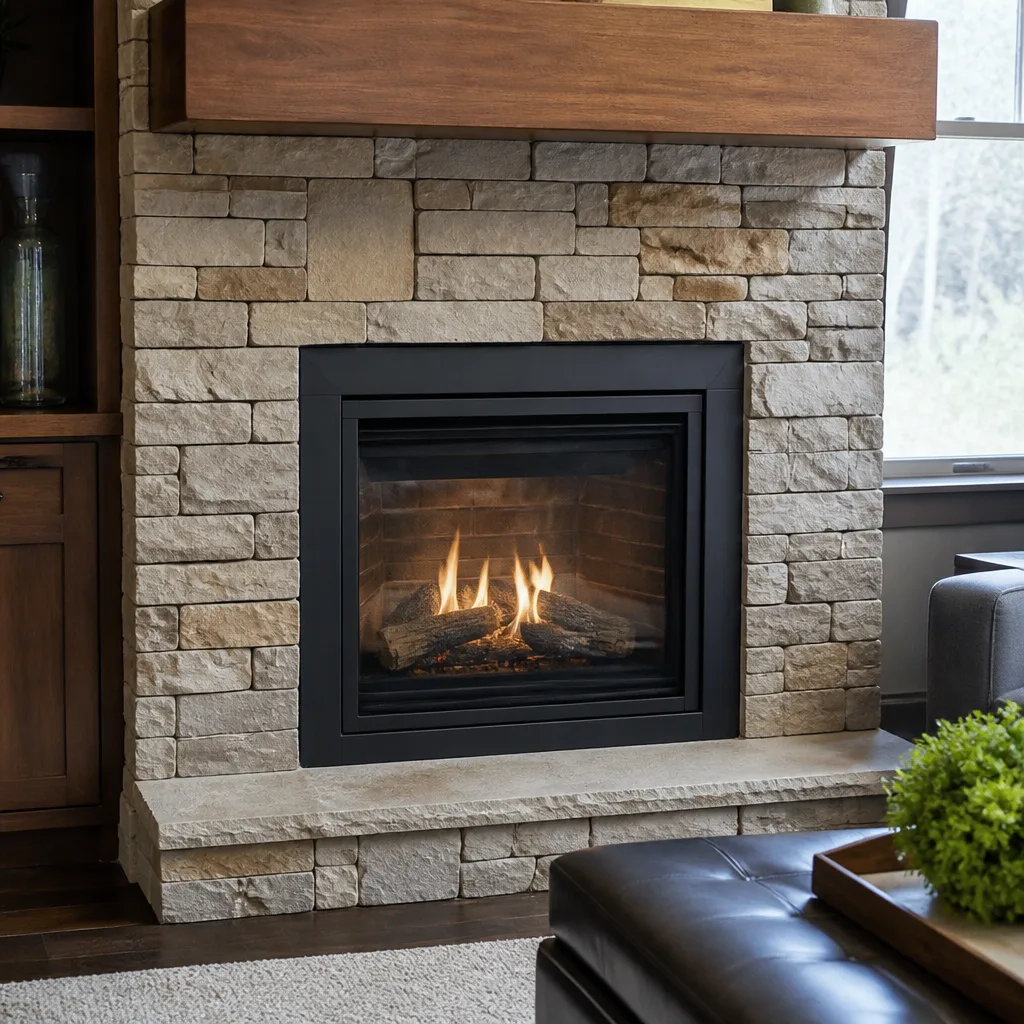 Gas fireplace service
Level 1 sweep and inspection to the NFPA 211 annual standard - flue, crown, cap, and flashing checked and photographed
Chimney sweep logs do not sweep chimneys. They loosen some creosote - which then falls where a brush and vacuum still have to collect it.
Seasonal Chimney Cleaning Care for Dallas: Year-Round Homeowner’s Guide
Here’s what surprises most Dallas homeowners: the months that do the most damage to your chimney aren’t the cold ones. June through August, when your fireplace sits unused and the Texas sun beats down on the crown and masonry, is when hairline cracks widen, moisture finds its way into the flue, and critters move into the cool dark space above your damper. A $150 – $250 cleaning visit in late summer catches most of this. Waiting until the first cold snap in November means discovering the damage when you’re already ready to burn, and that’s when a $200 fix becomes a $2,000 repair. This guide walks through what Dallas weather actually does to a chimney across all four seasons, and what you can do about it, one task at a time.
Styles & brands we work with
Quick Answer
Seasonal chimney care in Dallas means four specific tasks timed to local weather, not a calendar: a spring post-season inspection after the last burn, a summer moisture-and-critter check, an October pre-season sweep and safety verification, and a post-storm review after any North Texas hail event. A standard chimney sweep in Dallas typically runs $150 – $300, and most homes need one sweep per year. Skipping the summer check is the most common and most expensive mistake we see.
Table of Contents
- Why Dallas Chimneys Fail in Summer (Not Winter)
- The Four-Task Dallas Chimney Calendar
- Spring Post-Season Checklist (February-March)
- Summer Dormancy Protection (June-August)
- October Pre-Season Checklist: Before the First Fire
- Storm and Hail Damage Review: What to Look For
- Cost vs. Consequence: Proactive Care vs. Deferred Repairs
- Common Mistakes to Avoid
- When to Call a Professional
- Frequently Asked Questions
- The Bottom Line
Why Dallas Chimneys Fail in Summer (Not Winter)
Here’s a pattern we’ve seen across Dallas more times than we can count: a homeowner burns fires from November through February, stops in March, ignores the fireplace all summer, and discovers cracked masonry or a spalling crown in October. They assume winter did the damage. It didn’t.
Dallas summer heat works on chimney materials in three specific ways. First, thermal expansion: brick and mortar expand during 100-degree days and contract during 70-degree nights, and after enough cycles, hairline cracks open in the crown and in mortar joints. Those cracks are small in August and wide by November. Second, UV degradation: the Texas sun breaks down crown sealant faster than in almost any other climate, which is why crowns in Dallas deteriorate years earlier than identical chimneys in Ohio or Pennsylvania. Third, and most quietly dangerous, moisture intrusion: every North Texas thunderstorm that rolls through in May and June finds those hairline cracks and pushes water into the flue. Water plus creosote equals an acidic paste that eats mortar from the inside out.
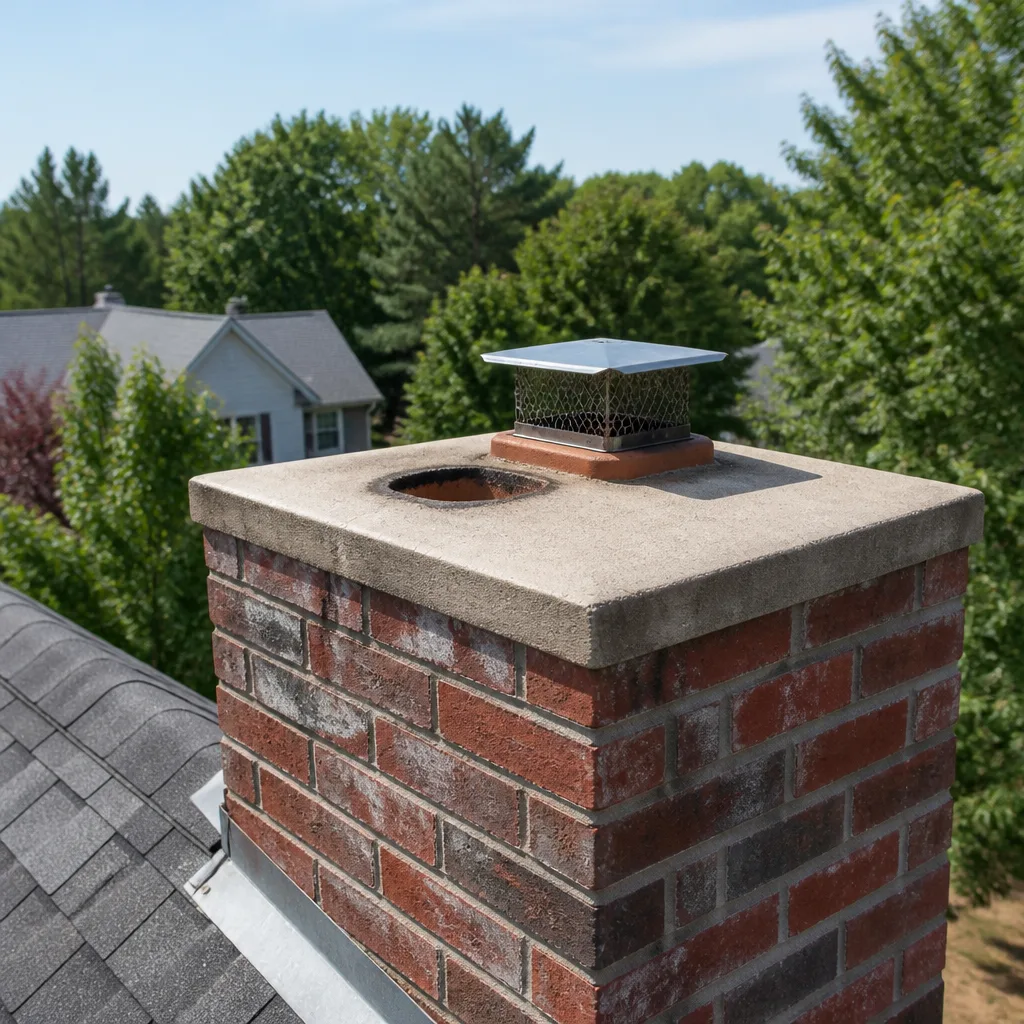
The practical takeaway: if you do nothing else this year, walk outside in late August and look at your chimney crown. Look for cracks, flaking, or any white staining on the brick (that’s efflorescence, a telltale sign of moisture moving through masonry). If you see any of those, call a Chimney Inspection in Dallas company before rainy season turns those cracks into leaks. Alcott Chimney Dallas is one option, and we’ve been serving homeowners since 2002.
The Four-Task Dallas Chimney Calendar
Dallas weather follows a rhythm: cool wet springs, scorching dry summers, stormy autumns, and mild winters with occasional hard freezes. Your chimney care should follow the same rhythm. Here’s the four-task annual cycle we recommend to every Dallas homeowner we work with.
Task 1: Post-Season Wrap-Up (Late February-Early March)
After your last fire, schedule a sweep or at minimum a visual inspection. This removes the season’s creosote before it has a summer to sit and attract moisture, which is when it becomes most corrosive. More on this in the spring section below.
Task 2: Summer Dormancy Check (June or July)
One 15-minute walk-around. Check the crown, cap, damper, and flue for anything that looks different than it did in March. If you see cracks, staining, or smell anything musty from the fireplace, call a professional. More on this in the summer section below.
Task 3: October Pre-Season Sweep
This is the most important task of the year. A pre-season sweep guarantees your flue is clear, your damper operates, and you’re not breathing or burning anything dangerous when the first cold snap arrives. If you only do one chimney task per year, this is the one.
Task 4: Storm Review After Every Hail Event
Any hailstorm with stones larger than a dime can damage your chimney cap, crown, or flashing. After any significant North Texas hail event, walk outside and look up. If you see cap damage or denting, call before the next rain. More in the storm section below.
If you want to skip the checklists and just want a professional chimney sweep in Dallas to handle everything, we do that too. The rest of this guide is for homeowners who want to understand what’s happening up there.
Spring Post-Season Checklist (February-March)
Dallas winters are mild compared to the Midwest, but we still get enough cold snaps for homeowners in Lake Highlands, Preston Hollow, and East Dallas to burn regularly from November through February. By March, your flue has accumulated four months of creosote, and leaving it in place through summer is an invitation for moisture damage.
Here’s what to do in March:
- Schedule a sweep or inspection. A post-season sweep removes creosote while it’s still dry and flaky, which is when it comes off easiest. Waiting until October means the creosote has sat through a humid Texas spring and summer, hardening into a glaze that’s harder to remove and more corrosive to your flue liner. Expect to pay $150 – $300 for a standard sweep in Dallas.
- Check the damper seal. After your last fire, close the damper and check for any gaps around the edges. A damper that doesn’t seat fully lets humid spring air circulate up and down the flue, accelerating creosote acidification. If you can see daylight around a closed damper, it needs adjustment or replacement.
- Look for animal activity. March and April are when chimney swifts and squirrels look for nesting sites. If you remove the cap and hear chirping, or if you see twigs and debris falling into the fireplace, you’ve got tenants. Most professionals can remove the nest humanely and install or repair a cap to prevent re-entry.
- Note any water staining. Spring is Dallas’s rainiest season. After the first good storm, check the ceiling around your chimney chase, inside the firebox, and around the chimney base outside. Water stains in March are early warnings – addressing them now is a $200 cap repair, not a $2,000 liner replacement in September.
One way to think about the spring checkup: it’s the difference between catching a cavity at a cleaning versus catching it at a root canal. Both are dental problems. Only one is cheap.
Summer Dormancy Protection (June-August)
Dallas summers are brutal on chimneys, and most of the damage happens invisibly. Here’s what’s happening while you’re not using your fireplace:
- The crown is baking. Dallas regularly sees 100-degree days in July and August, and that heat cycles the crown sealant through expansion and contraction daily. If your crown was sealed more than five years ago, that sealant is likely failing by now, and hairline cracks are opening up. Those cracks let water into the chimney structure, and once water gets in, freeze-thaw cycles in January widen the damage exponentially.
- Animals are moving in. The interior of an unused chimney is cool, dark, and protected. Squirrels, birds, and raccoons all see an uncapped chimney as premium Dallas real estate. Animal nests block flue airflow, introduce flammable material directly into the burn path, and can conceal more serious liner damage underneath.
- The flue is absorbing moisture. North Texas humidity hovers around 70% all summer. If you have a clay tile liner with any small cracks, that humidity condenses inside the flue and reacts with any remaining creosote. The result is a sulfuric acid that weakens mortar and brick from the inside. This is why post-season sweeps matter – the less creosote left in the flue through summer, the less acid that can form.
Your summer task list is short:
- Do one visual walk-around in late June or early July. Look at the crown for cracks or flaking. Look at the cap for rust or damage. Look for white staining on the brick, which means moisture is moving through masonry where it shouldn’t be.
- Check the damper from inside. Open it and feel for airflow. If you feel a strong draft on a still day, your damper is open or leaking, and your air conditioner is cooling the sky through your chimney.
- Smell the fireplace. On a humid day, open the damper and sniff. A musty or sharp chemical smell is creosote acidifying, and it’s a sign that you need a sweep sooner rather than later.
This entire summer check takes 15 minutes and costs nothing. What it catches can save thousands. Alcott Chimney Dallas installs Olympia Chimney caps and Gelco sealants specifically because they stand up to Texas heat better than the generic alternatives, and we’ve been installing them in Dallas since 2002.
October Pre-Season Checklist: Before the First Fire
The first Dallas cold snap usually arrives around Halloween, and that means the first fireplace fires aren’t far behind. Here’s what to verify before you light anything:
- Damper operation. Open and close the damper fully. It should move freely and seal completely. A sticky damper or one that won’t close all the way is a $150 – $300 fix – minor compared to the energy loss and moisture problems it causes if ignored.
- Cap condition. The cap is what keeps rain, animals, and debris out of your flue. If it’s missing, rusted through, or tilted, water has been getting in all summer. Replace it before first burn. Expect to pay $150 – $400 for a standard replacement cap installed.
- Odor test. With the damper closed, sniff inside the fireplace. If you smell anything sharp, smoky, or musty, there’s creosote in the flue that’s absorbed moisture. Schedule a sweep before the first fire. Burning with saturated creosote is like burning with fuel already loaded into the flue lining – the risk of a chimney fire goes up significantly.
- Visual smoke shelf check. Using a flashlight (and wearing safety glasses, because debris will fall), look up past the damper toward the smoke shelf. Look for twigs, leaves, animal droppings, or fluffy black creosote buildup. Any debris or buildup means a sweep is overdue.
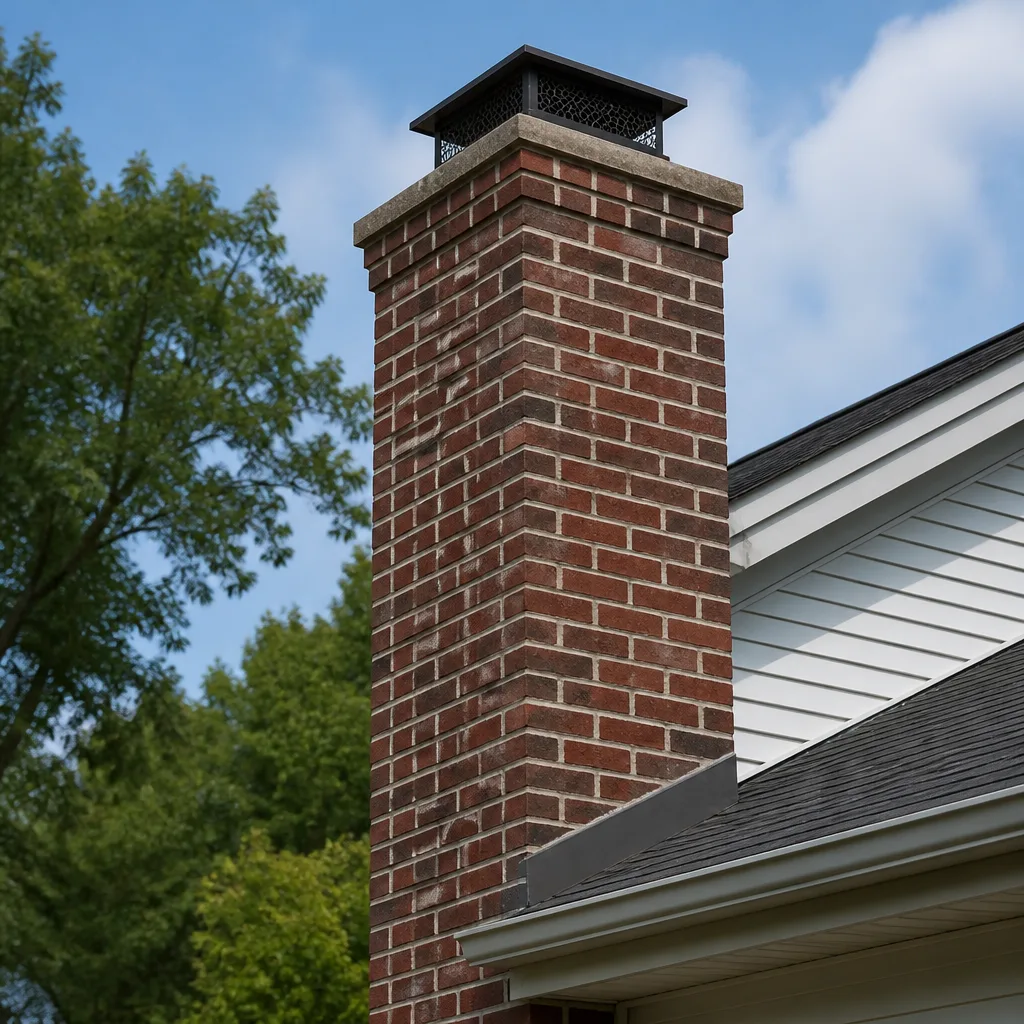
- Check for exterior damage. Walk outside and look at the mortar joints. If you see gaps, crumbling, or brick that looks pushed out of alignment, schedule a masonry inspection before the freeze-thaw cycle of January widens those gaps further.
If you’d rather have a professional handle this checklist, a standard Chimney Sweep in Dallas by Alcott Chimney Dallas includes the damper check, cap review, and full flue cleaning. Our written price comes before any work begins, so you always know what you’re paying before we start.
Storm and Hail Damage Review: What to Look For
North Texas hail season runs from March through September, with peak activity in May and June. If you’ve lived in Dallas through even one spring, you’ve watched hailstones bounce off your driveway. Here’s what hail can do to a chimney.
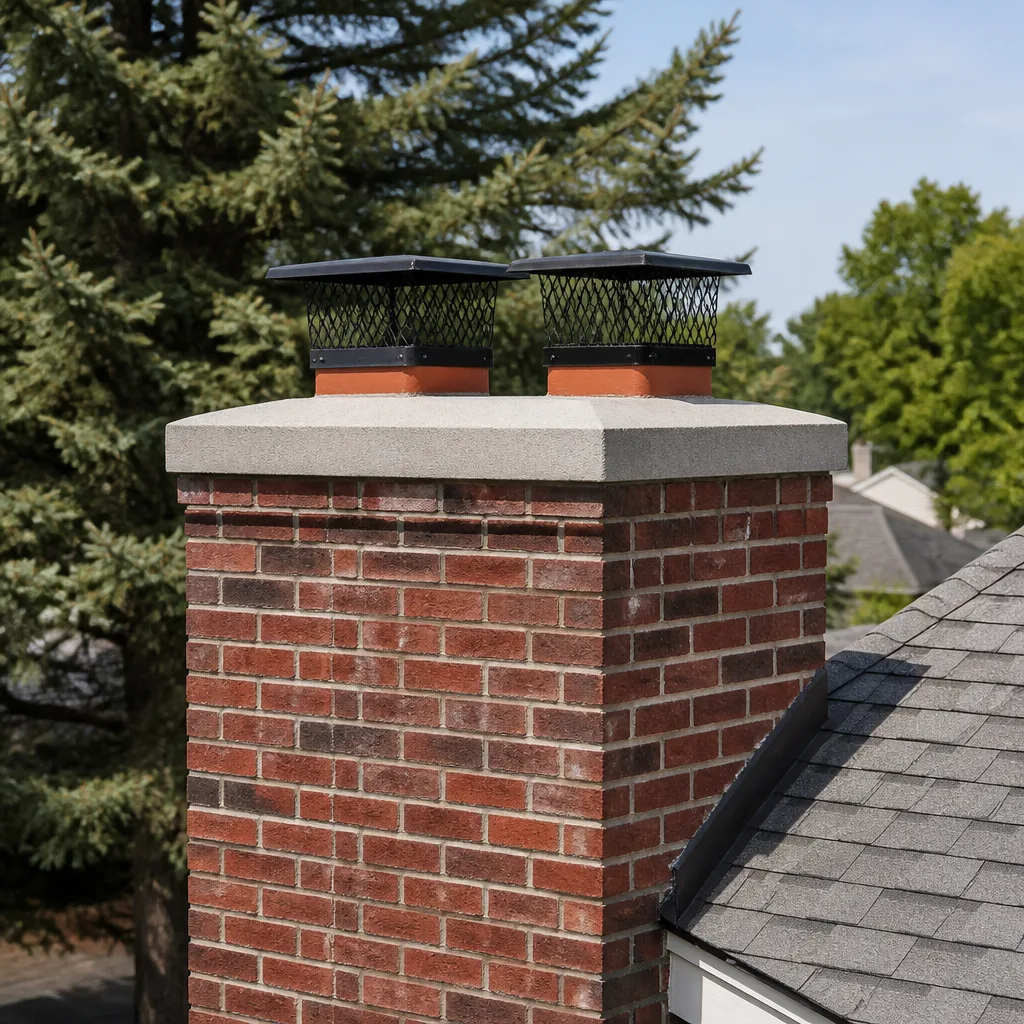
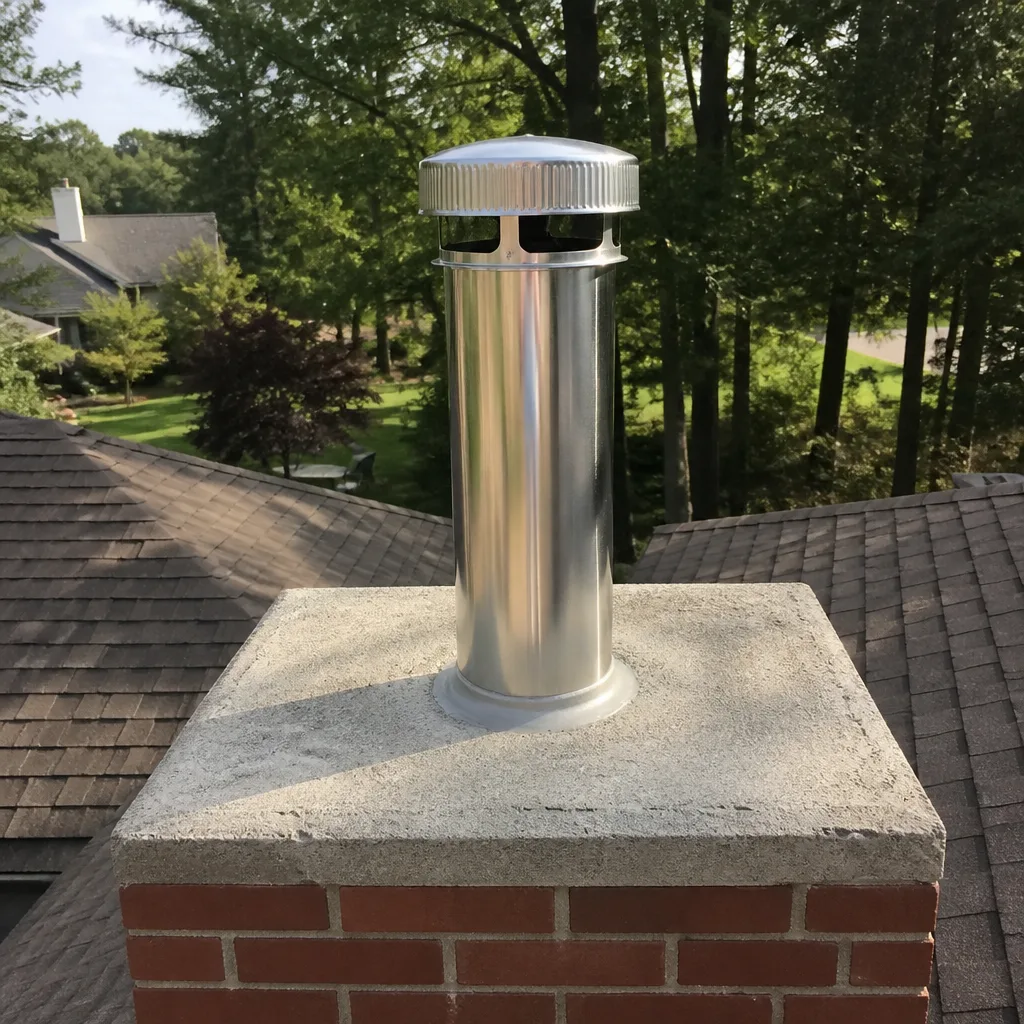
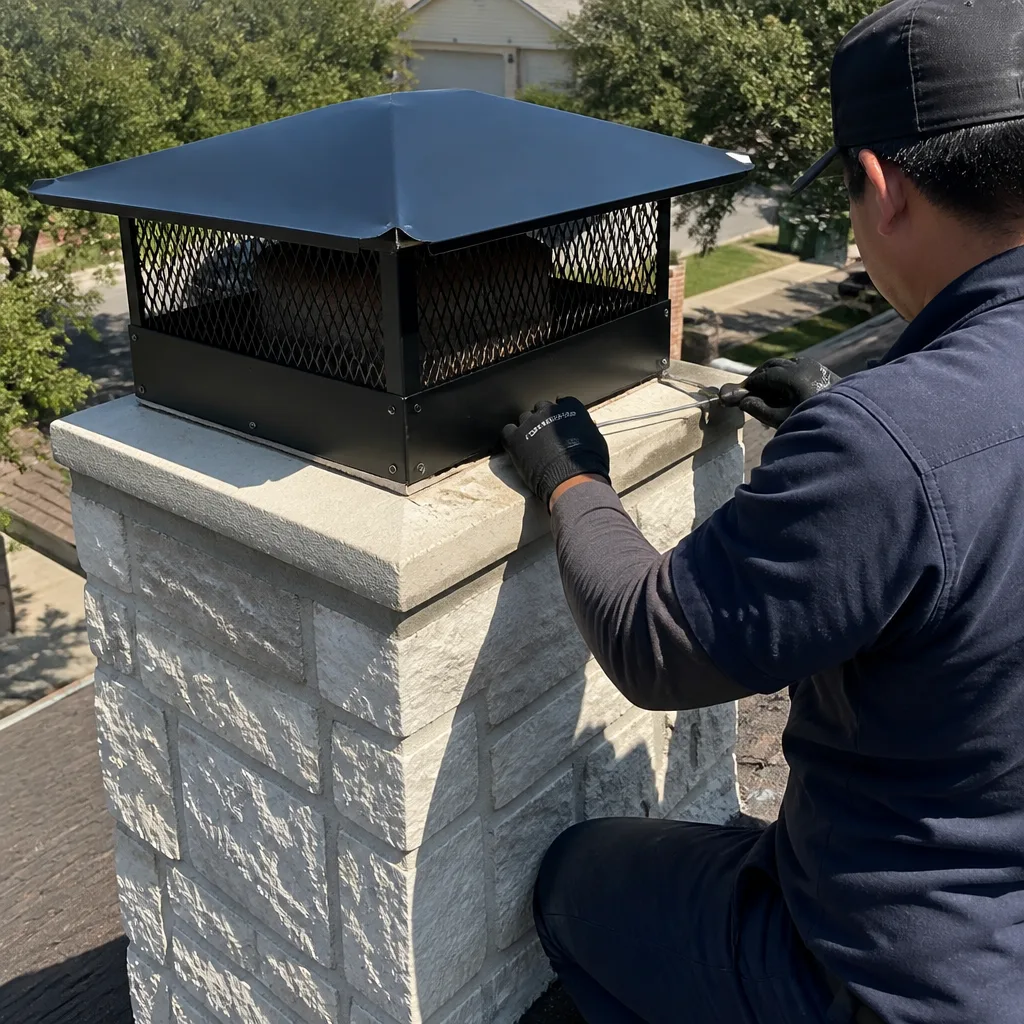
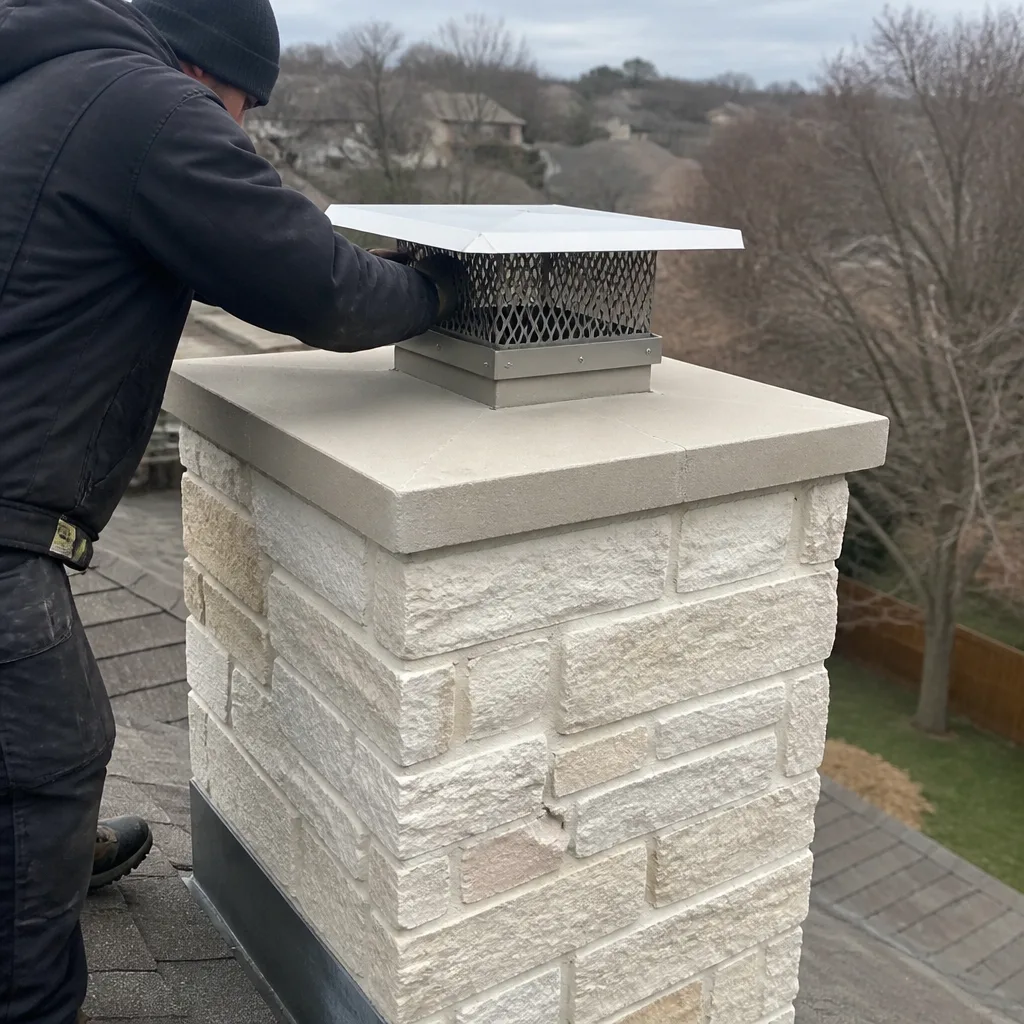
Chimney caps are typically galvanized steel or copper, and they sit fully exposed to hail. A dime-sized hailstone falling at terminal velocity leaves dents, and repeated impacts can crack welds, tear screen mesh, and loosen the cap from its mounting bracket. Once a cap is loose or holed, rain gets in through the damage, animals find their way through the gaps, and your flue is a highway for moisture.
After any significant hail event, do this:
- Walk the exterior. Look up at the cap. Dents, tilted mounts, or missing mesh are all signs of hail damage. If the cap looks different than it did before the storm, it probably is.
- Check the crown. Large hailstones chip masonry. Look for fresh chips, cracks, or any stone that appears loosened.
- Look at flashing. The metal flashing where the chimney meets the roof takes hail strikes directly. Bent or lifted flashing means water can get under the shingles and into the roof deck, and that becomes a roof leak that shows up months later.
- Check inside. If hail was heavy enough to damage the cap, some of that hail may have entered the flue. Look for water staining in the firebox or unusual debris.
If you find any of these, schedule an unscheduled Chimney Inspection in Dallas before the next rain. Small hail damage is cheaper to fix than the water damage it eventually causes. Alcott Chimney Dallas uses Copperfield caps and Famco flashing components, which hold up better than most in North Texas hail season.
Cost vs. Consequence: Proactive Care vs. Deferred Repairs
Dallas homeowners are practical. You want to know what things cost, and what happens if you skip them. Here’s a direct comparison:
| Seasonal Task | Proactive Cost (Now) | Deferred Cost (If Skipped) | What Happens If You Wait |
|---|---|---|---|
| Standard chimney sweep | $150 – $300 | $1,000 – $3,000 | Creosote glazes, flue clogs, risk of chimney fire increases |
| Cap replacement | $150 – $400 | $2,000 – $7,000 | Water enters flue, liner corrodes, masonry spalls, roof leaks develop |
| Crown resealing | $300 – $800 | $2,500 – $6,000 | Cracks widen, water enters chimney structure, freeze-thaw cycles destroy brick |
| Damper repair or replacement | $150 – $400 | $500 – $1,500 + energy loss | Heat escapes in winter, AC escapes in summer, humidity accelerates flue damage |
| Animal removal + cap install | $200 – $500 | $500 – $1,500 + cap cost | Nest removal gets more complex, animals cause internal damage, fire risk |
| Post-hail inspection | $100 – $250 | $1,000 – $8,000 | Undetected cap or flashing damage channels water into roof and flue for months |
These are Dallas market ranges, not national averages. Your exact cost depends on chimney height, roof pitch, and what we find during inspection. The pattern should be obvious: in every row, the proactive cost is a fraction of the deferred cost. The single most expensive mistake a Dallas homeowner can make is skipping the summer check.
If you’d like specific numbers for your chimney, Alcott Chimney Dallas home is a good starting point – or just call us at (361) 264-4483. We give written prices before any work begins, and we don’t charge extra for the estimate.
Common Mistakes to Avoid
- Treating chimney care as a December-only task. By the time Dallas hits its first cold snap, the damage from summer is already done. A December sweep catches deferred problems; an October sweep prevents them from becoming problems in the first place.
- Burning artificial logs (like Duraflame) as a sweep substitute. Those products do not clean your chimney. Some claim to reduce creosote, but none remove it. The only thing that removes creosote is either a professional sweep or a chimney fire, and one of those two is vastly preferable.
- Ignoring the cap because it “looks fine from the ground.” Most cap damage isn’t visible from street level. Holes, cracked welds, and lifted flashing are only visible from the roof or with a chimney camera. If you can’t remember the last time the cap was replaced, it’s worth checking now.
- Skipping post-season cleanup because “we’ll do it next fall.” This is the single most common mistake we see in Dallas, and it’s the one that costs homeowners the most money. Four months of creosote through a humid summer becomes a hardened glaze that’s more expensive to remove and more corrosive while it sits.
- Assuming your gas fireplace doesn’t need a chimney sweep. Gas fireplaces produce different byproducts than wood fires, but they still deposit acidic residue in the flue and still need an annual inspection. A Gas Fireplace Repair in Dallas specialist can confirm whether your gas log set or insert is venting properly.
- Checking the chimney only when you smell “something wrong.” By the time you smell something, the problem has been developing for months. Moisture staining, animal nesting, and early crown cracking are all invisible to the nose but obvious to a camera inspection.
- Hiring the cheapest sweep because “it’s just a chimney.” A $99 sweep that skips the damper check, cap review, and smoke shelf inspection isn’t actually cheaper – you’ve just paid for an incomplete job and deferred the real cost. At Alcott Chimney Dallas, we’ve been serving the Dallas area since 2002, and we’ve repaired plenty of chimneys where a bargain sweep missed something that turned into a four-figure repair.
When to Call a Professional
Here’s the honest list of situations where DIY stops being smart and starts being dangerous. If you see any of these, call a professional:
- You see water staining on your ceiling near the chimney, or dampness inside the firebox after rain.
- You smell something sharp or chemical coming from the fireplace, even when it’s not in use.
- You hear animals in the chimney, or you see nesting material falling into the firebox.
- Your chimney has survived a significant hail event and you can’t verify the cap and flashing are intact.
- You’ve burned more than a cord of wood since your last sweep, or you can’t remember your last sweep.
- You see cracks, flaking, or white staining on the exterior brick or crown.
- You hear a crackling sound like Rice Krispies coming from the flue during a fire – that’s creosote igniting, and it’s the early stage of a chimney fire. Call 911 first, then schedule an inspection before you burn again.
When something seems off, the cheapest response is an inspection, not a repair. Alcott Chimney Dallas offers free estimates in Dallas – call (361) 264-4483 to schedule one.
Frequently Asked Questions
A standard chimney sweep in Dallas typically runs $150 – $300 for a single-flue chimney. If the chimney has significant creosote buildup, the flue is unusually tall, or the roof access is complex, the price can go up. At Alcott Chimney Dallas, we give you a written price before any work begins, so you know the exact cost before we start. Call (361) 264-4483 for a free estimate.
Most Dallas homeowners need one sweep per year, ideally in October before the first fire. If you burn more than a cord of wood per season, or if you burn green or unseasoned wood, you may need a second sweep mid-season. The National Fire Protection Association (NFPA 211) recommends a chimney inspection at least once a year regardless of usage.
Yes, but the reason isn’t what you think. Even a few fires leave creosote in the flue, and while the creosote amount may be small, it saturates with moisture during Dallas’s humid spring and summer months. That moisture turns creosote into an acid that corrodes your flue liner. A light-use chimney still needs an annual inspection, even if it doesn’t need a full sweep every year.
In the short term, not much. In the long term, three things compound: creosote builds to levels where a chimney fire becomes likely, moisture and acid attack the flue liner and cause it to crack, and any pre-existing masonry damage spreads unchecked until you’re looking at a $2,000 – $7,000 repair instead of a $200 sweep. The most dangerous outcome is a chimney fire, which can spread to the rest of the house before you know it’s happening.
Technically yes, but in practice we don’t recommend it for safety and completeness. A proper sweep involves a rotary brush, a camera inspection of the flue interior, and a knowledge of what normal versus abnormal looks like on different flue liner materials. Homeowners using a wire brush from the firebox can’t see the upper flue or smoke shelf, and they often miss exactly the areas where problems develop. Call a professional – the cost of a sweep is a fraction of what a missed problem costs.
No. If your fireplace smells when the air conditioner is running, you have a negative pressure issue in the house and your damper is not sealing completely. The AC is pulling air down the flue, carrying whatever creosote and soot is still in the chimney with it. Fix the damper seal first, then have the flue swept to remove the source of the odor. A Chimney Sweep in Dallas can handle both.
The Bottom Line
Dallas weather treats chimney care as a year-round obligation, not a seasonal afterthought. The four-task cycle is simple: wrap up after your last burn, check the chimney during summer dormancy, sweep in October before the first fire, and review after every hail event. Each step costs less than $300. The consequence of skipping any one step is typically $2,000 or more, and sometimes far worse. If you only take one action today, walk outside and look at your chimney crown. If you see cracks, staining, or anything that wasn’t there last year, call us at (361) 264-4483. We’ll tell you honestly whether it needs attention now or can wait. Written price before we start, written guarantee on every repair, and if our work fails within the first year, the second visit is free. That’s the 365-Day Done Right Promise, and it’s simply how we’ve done business in Dallas since 2002.
Written by Ruben Castellano, Owner at Alcott Chimney Dallas, serving Dallas since 2002.
See the difference
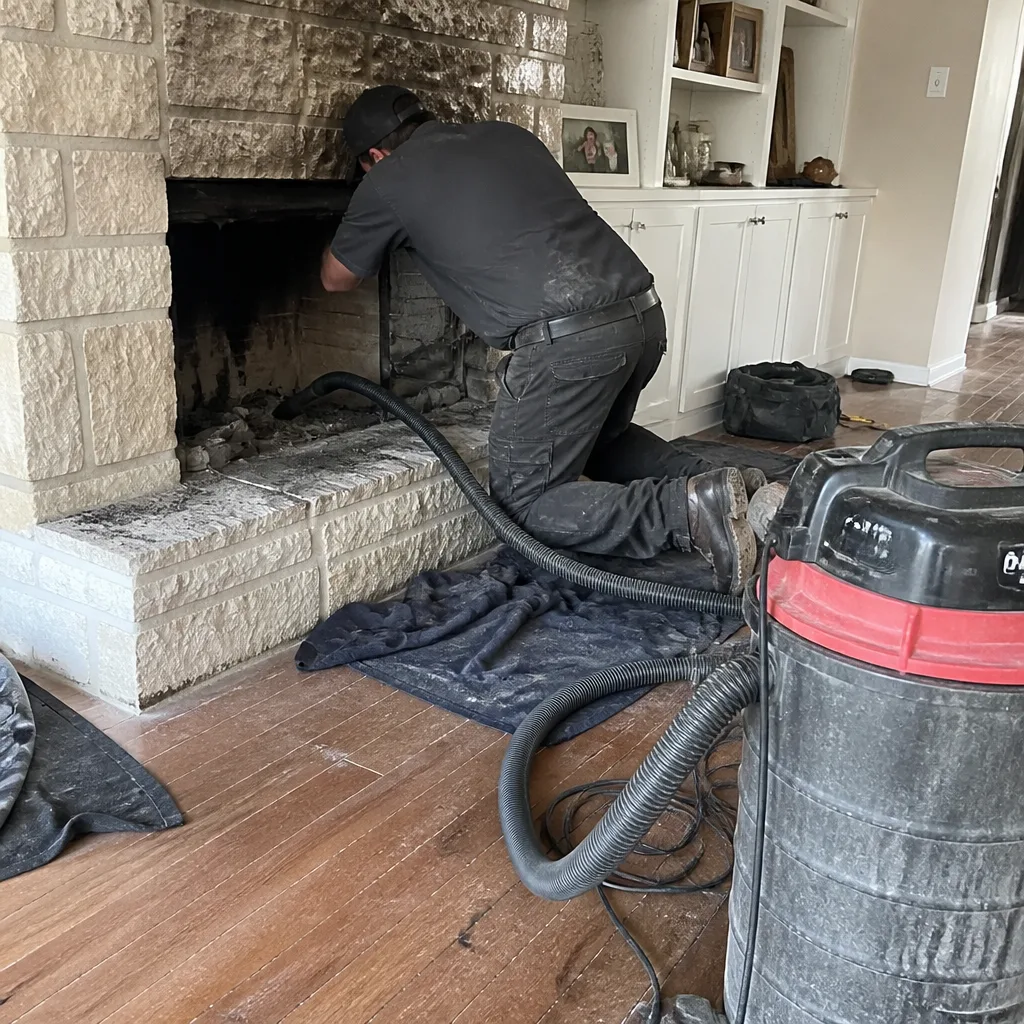 Before
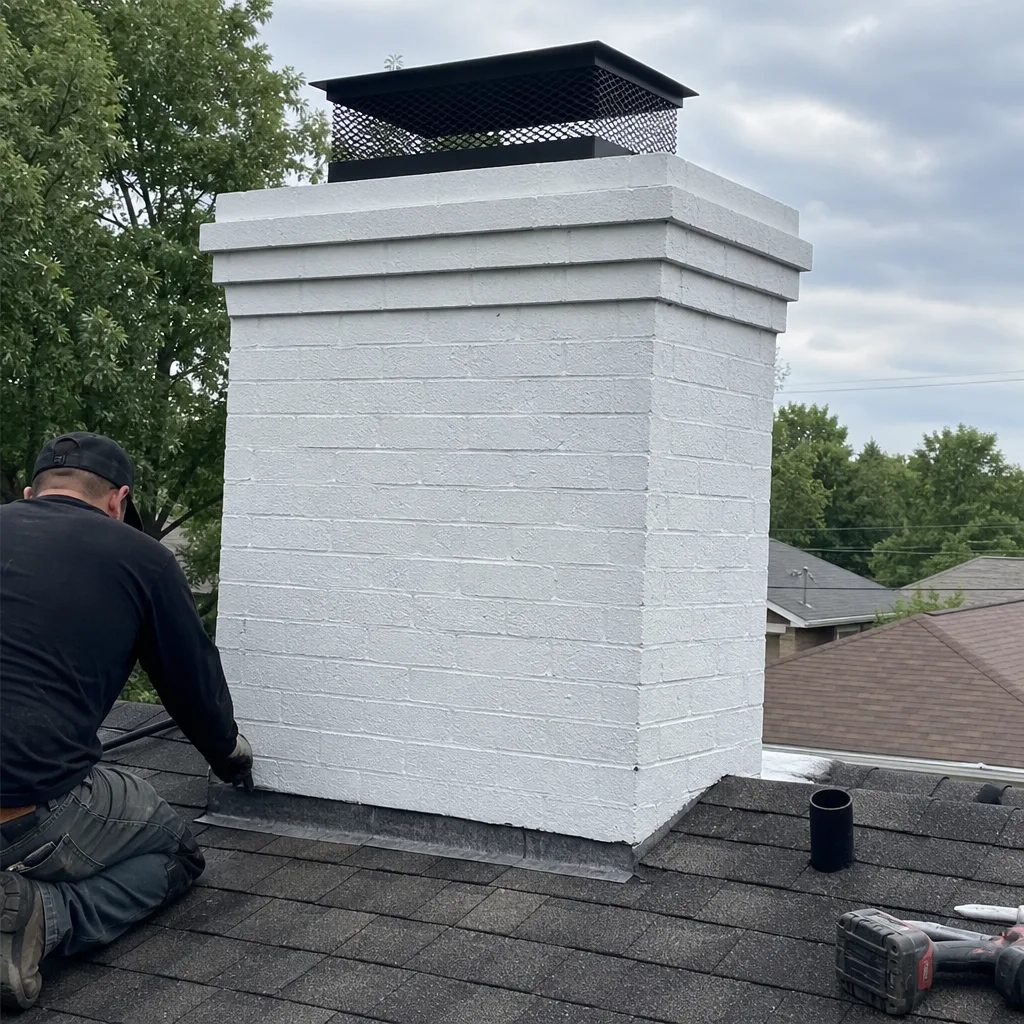 After
After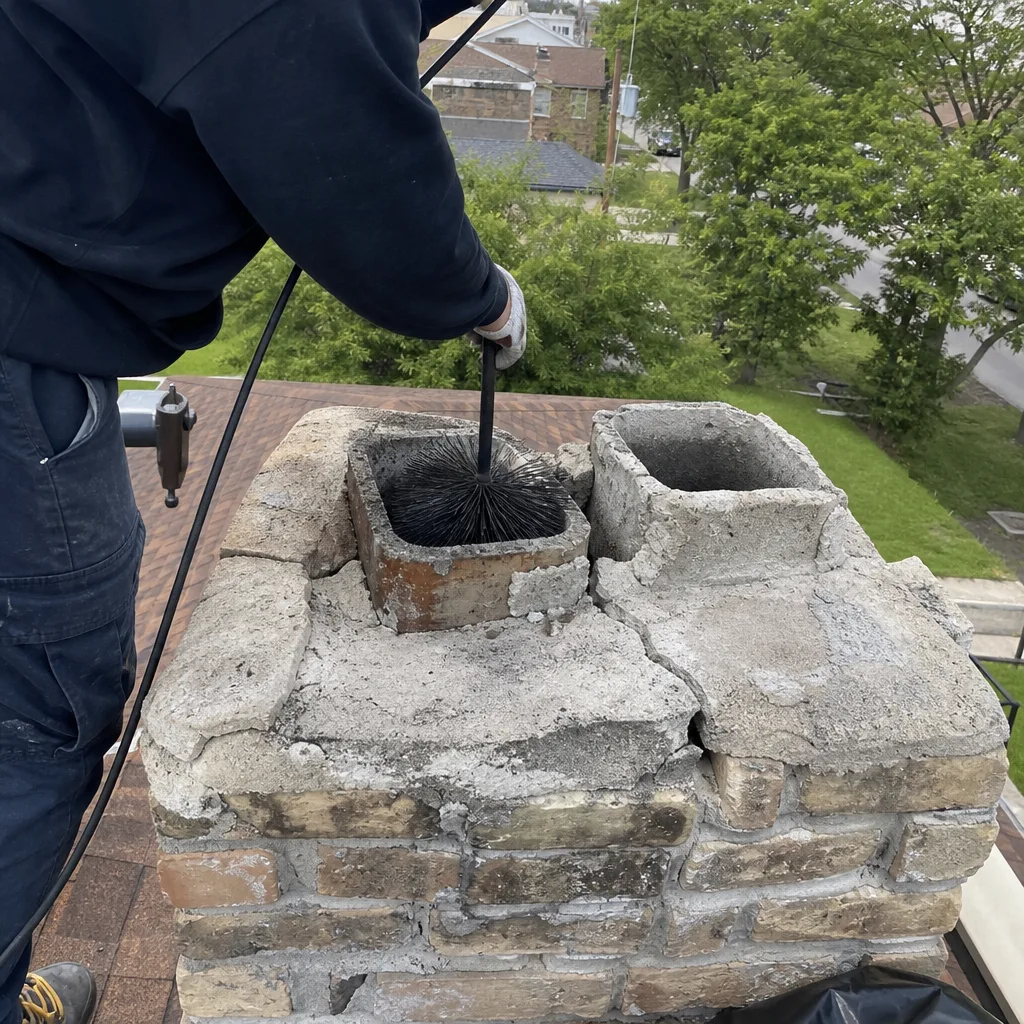 Before
 After
After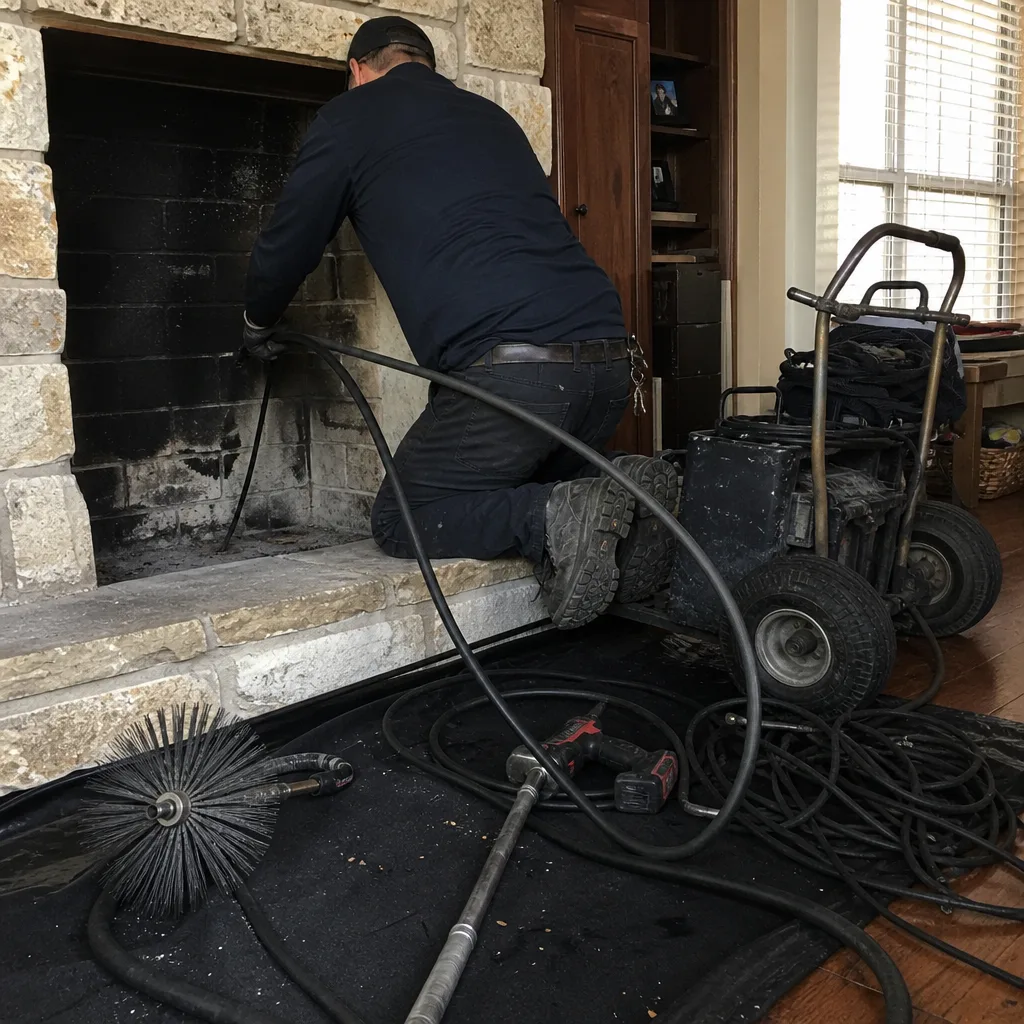 Before
 After
After