
Last updated October 15, 2026
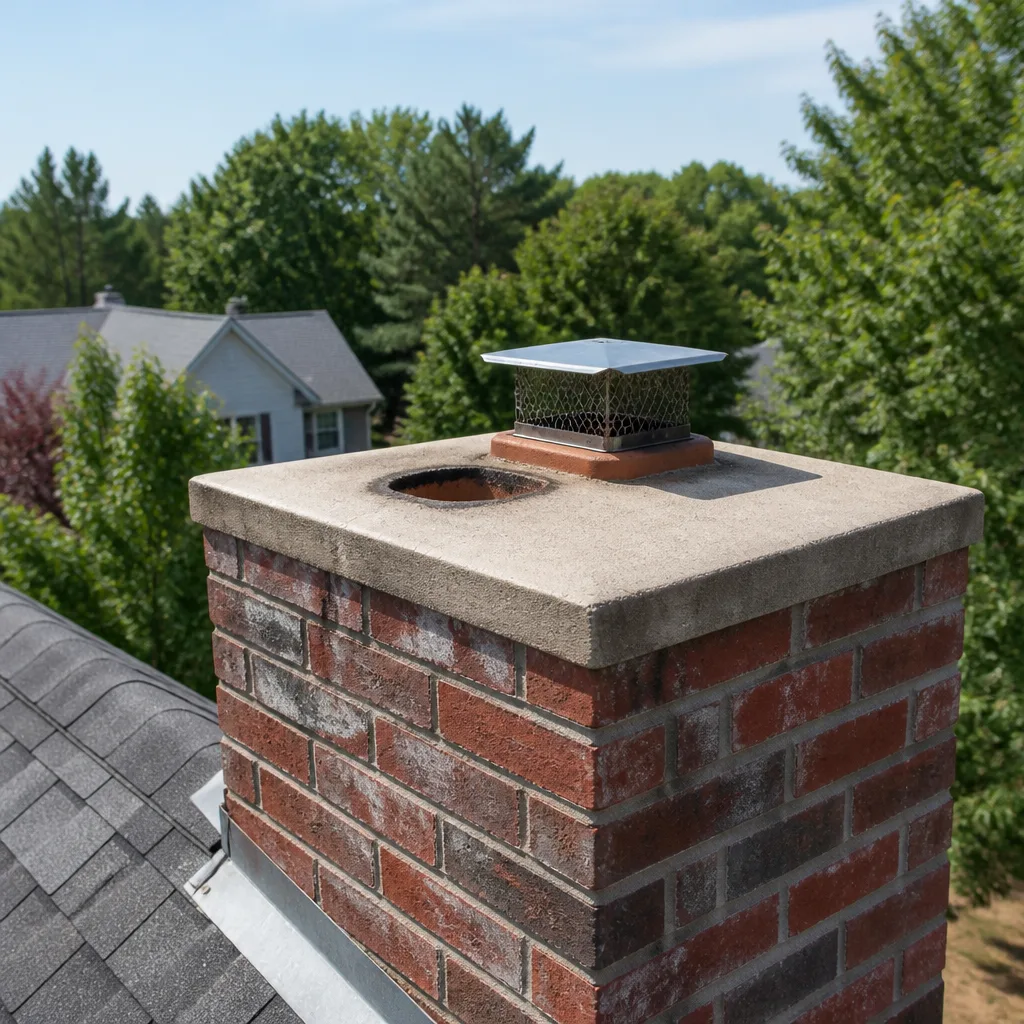 Sweep & inspection
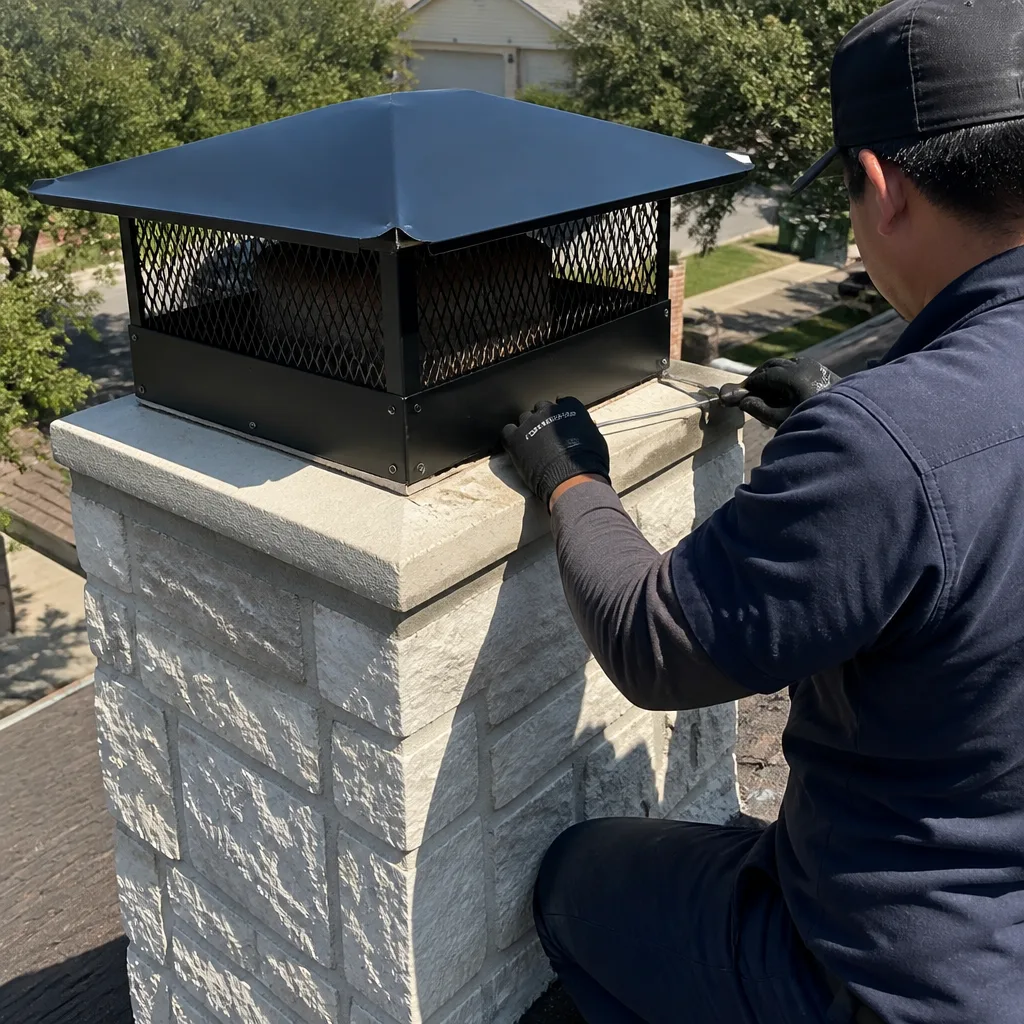
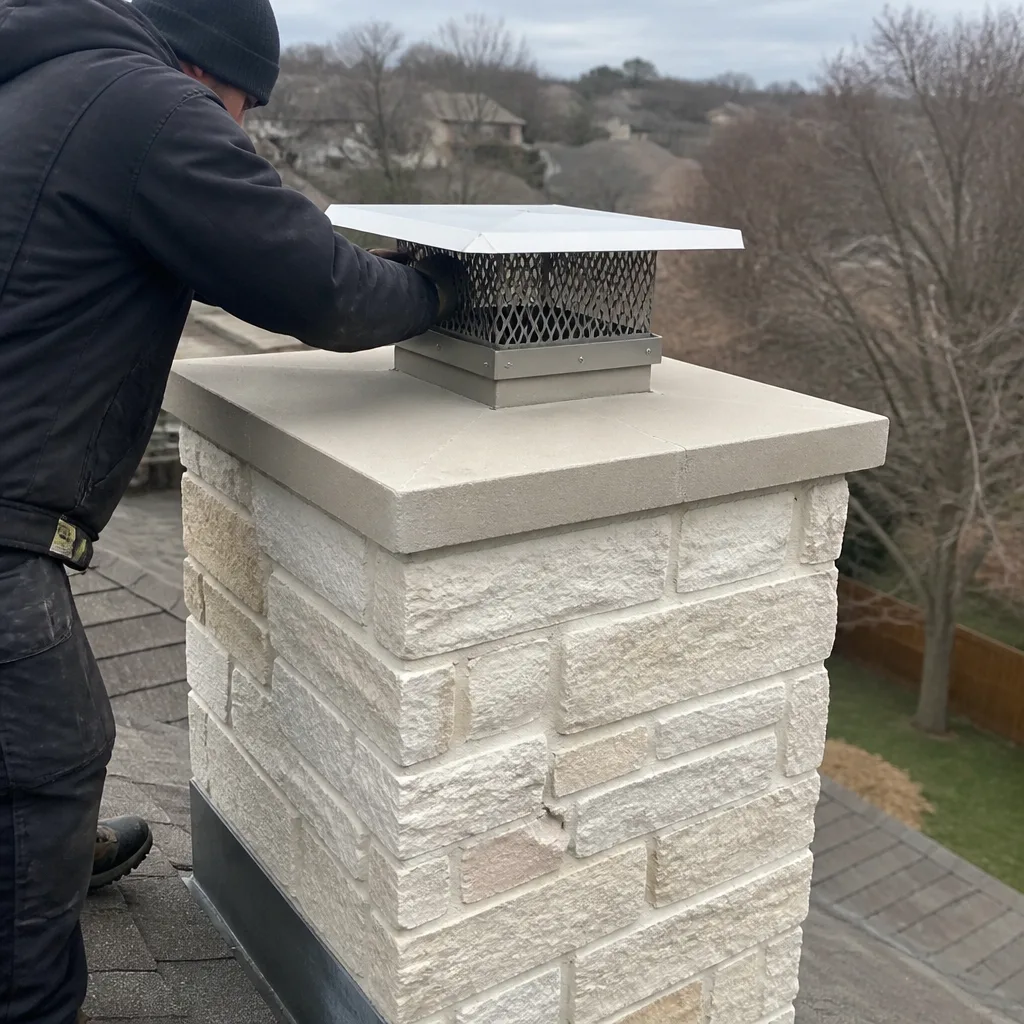
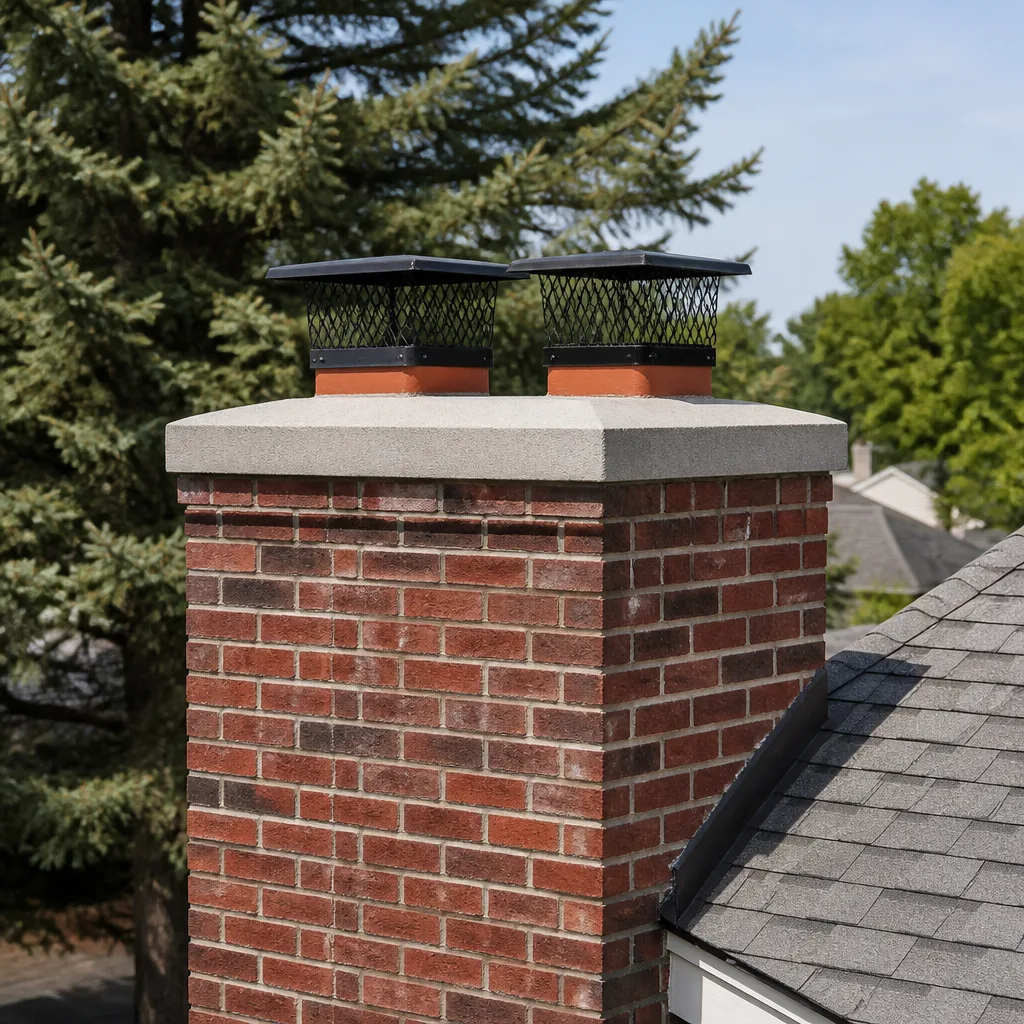 Caps & crowns
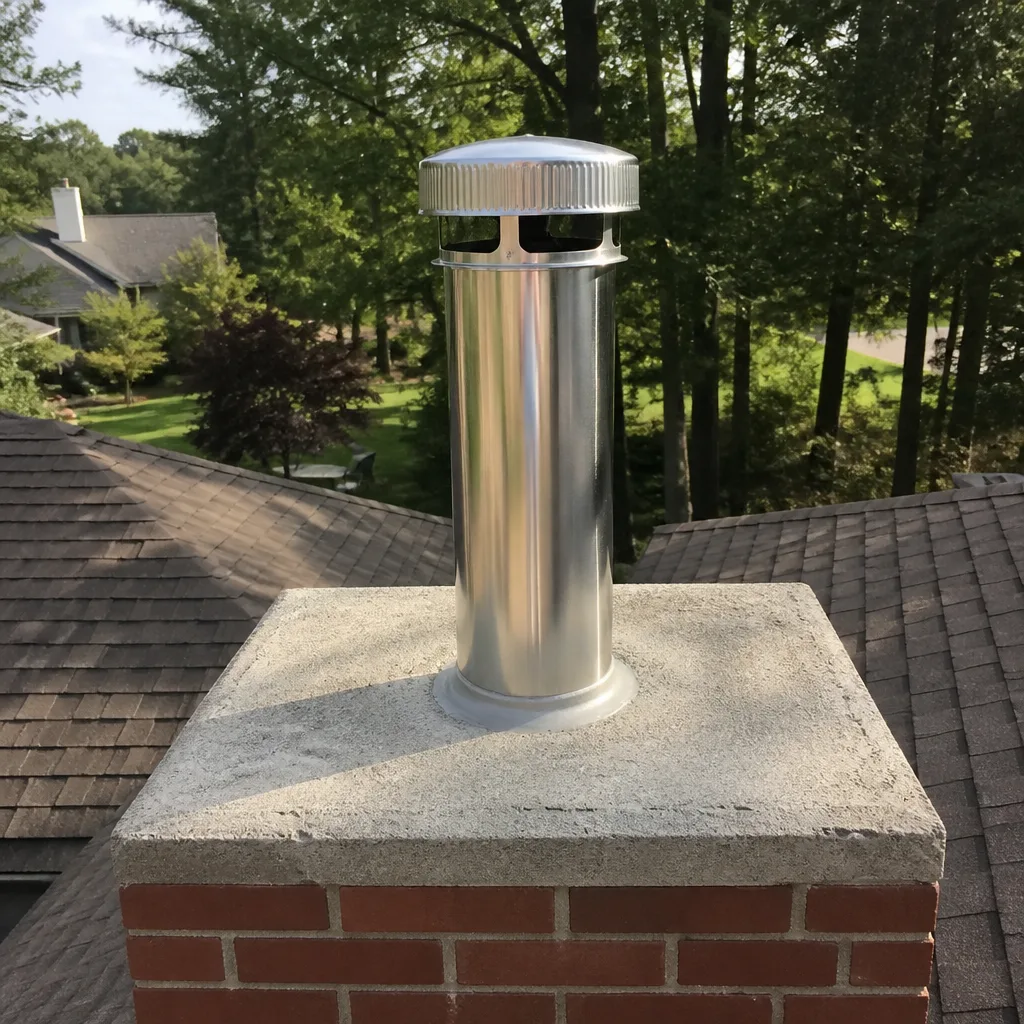 Flue relining
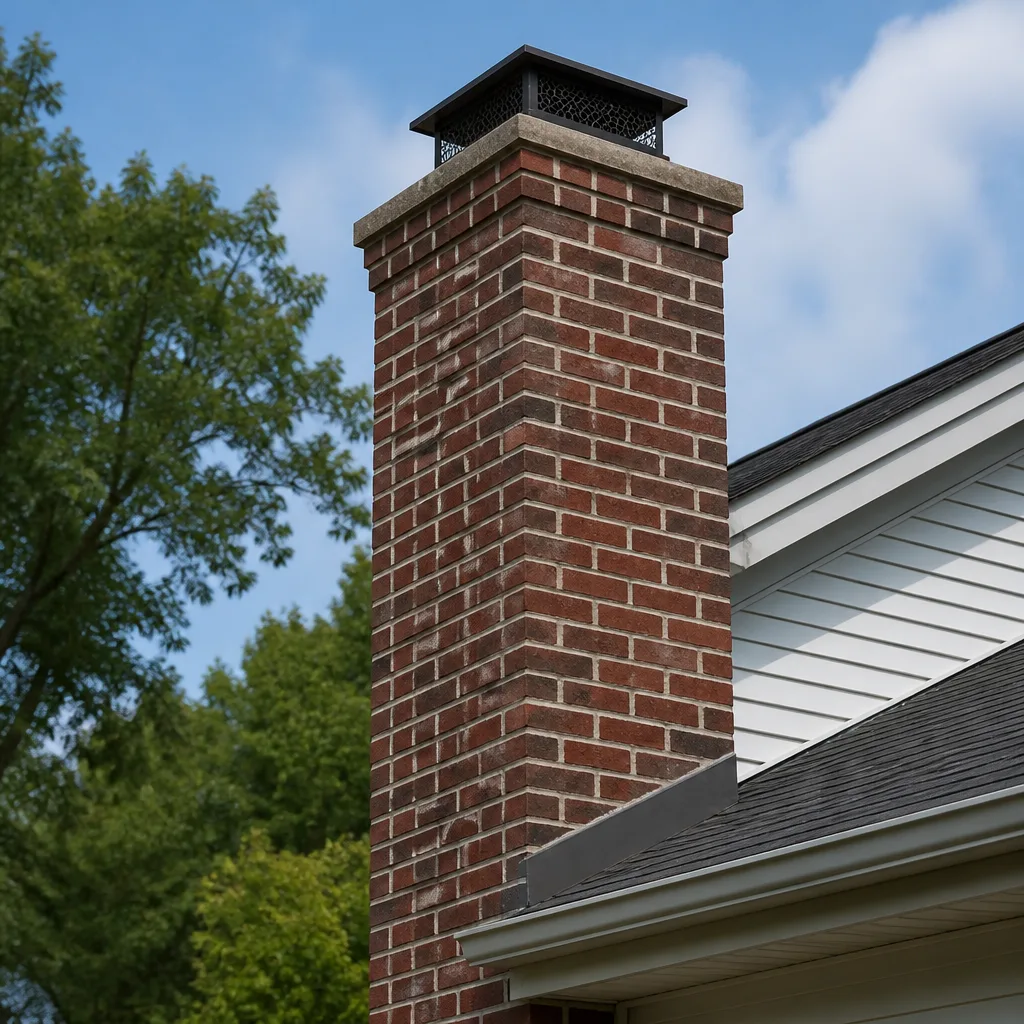 Masonry repair
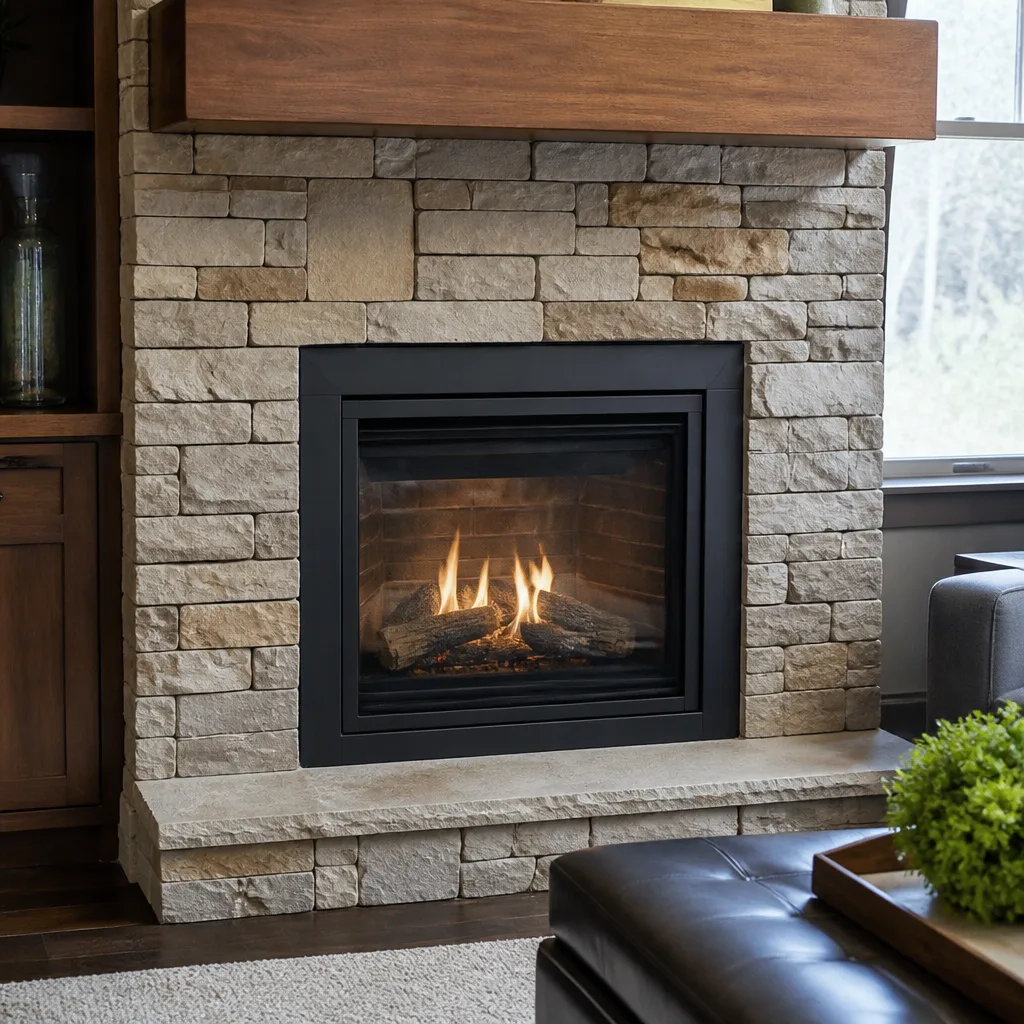 Gas fireplace service
Level 1 sweep and inspection to the NFPA 211 annual standard - flue, crown, cap, and flashing checked and photographed
Chimney sweep logs do not sweep chimneys. They loosen some creosote - which then falls where a brush and vacuum still have to collect it.
Chimney Sweep Maintenance Checklist for Dallas Homeowners
Here’s a counterintuitive fact for you: the single worst week for chimney problems in Dallas isn’t during a freeze. It’s the last week of October, when the temperature finally drops below 60 after six months of heat and every fireplace in the metroplex gets lit for the first time at once. That’s when dormant problems surface. A damper that corroded shut back in July. Creosote that hardened into a glaze during the dry stretch. A cap that got knocked loose by a spring storm and sat open through summer, letting birds build a nest nobody noticed. This guide walks through what Dallas homeowners should actually check, when to check it, and what to leave to a certified chimney sweep.
Styles & brands we work with
Quick Answer
A chimney maintenance checklist for Dallas homeowners comes down to two dates on the calendar: a mid-May inspection after storm season ends, and a mid-October sweep and check before the burning window opens. The essential tasks are checking the damper operation, inspecting the cap and crown visually, looking for creosote buildup or odor from the firebox, and scheduling a professional chimney sweep before your first fire of the season. For a deeper dive, see The Complete Guide to Chimney Cleaning in Dallas.
Table of Contents
- Why Dallas Has Two Chimney Seasons, Not Four
- The May Checklist: What to Do After Storm Season
- The October Checklist: What to Do Before You Burn
- Dallas Month-by-Month Maintenance Calendar
- What You Can Check Yourself vs. What Needs a Certified Sweep
- How to Document Chimney Condition with Your Phone
- Mid-Season Warning Signs: How to Know When a Sweep Is Overdue
- What to Ask Your Sweep at Every Annual Visit
- Common Mistakes to Avoid
- When to Call a Professional
Why Dallas Has Two Chimney Seasons, Not Four
Most chimney checklists you’ll find online are built around a four-season framework lifted from New England or the Midwest. That model doesn’t match how Dallas actually lives. Our climate has two real seasons for fireplace use: a long dormant stretch from roughly April through mid-October, and a compressed burning window that runs from late October through early March, occasionally interrupted by 75-degree weeks in January.
The dormancy is what creates problems. Six months of heat, humidity swings, and occasional severe storms mean moisture intrusion, rust on dampers, animal entry through damaged caps, and creosote that doesn’t go away just because you’re not burning. It sits in the flue, absorbs humidity, and in some cases hardens into a glaze that’s harder to remove than fresh creosote from a recent fire.
We’ve serviced chimneys in neighborhoods across Dallas, from Lakewood homes built in the 1920s to newer construction in Frisco and McKinney. The older homes have masonry chimneys with clay tile liners that crack over decades of thermal cycling. The newer homes often have prefabricated metal chimneys that are easier to clean but harder to repair when components fail. Different construction, same principle: deferred maintenance gets exposed all at once the first time you build a fire in November.
That’s why we structure our maintenance advice around two checkpoints: May and October. May is after the spring storm season, when hail and high winds have had their chance at your cap and crown. October is before the burning window, when you want everything verified and ready before the first cold snap hits.
The May Checklist: What to Do After Storm Season
Dallas spring storms are hard on chimneys. Hail can dent metal caps, crack crown mortar, and dislodge chase covers. High winds can shift a cap that wasn’t properly secured. Torrential rain finds every crack and gap that winter left behind, and that water intrusion is what accelerates deterioration through the hot summer months.
Here’s what to check in May, before the summer heat really settles in:
- Visually inspect the cap and crown from the ground. Use binoculars or a phone camera with zoom. You’re looking for a cap that’s tilted, dented, or missing entirely, and a crown with visible cracks. The crown is the concrete slab at the top of a masonry chimney, and it’s your first line of defense against water.
- Check for water stains inside the house. Go to the room where the fireplace is located and look at the ceiling and walls around it. Water stains on the ceiling, peeling paint near the chimney chase, or a musty smell in the firebox after rain all suggest water is getting in somewhere.
- Test the damper operation. Open and close the damper fully. If it’s stiff, rusted, or won’t seal completely, make a note. A damper that won’t close lets conditioned air escape into the flue all summer, which runs up your cooling bill. A damper that won’t open means you’ve got a problem before the first fire of fall.
- Look for animal activity. Birds, squirrels, and raccoons love uncapped or damaged chimneys in spring. Stand near the fireplace and listen for sounds from inside the flue. Check the firebox for nesting material, droppings, or animal debris. If you hear scratching, don’t light a fire and don’t try to smoke the animal out. Call a professional.
- Schedule your chimney inspection for early October. We’ll get to why timing matters in the next section, but May is the right time to get on the calendar.
If you’re not sure what you’re looking at, a Chimney Inspection in Dallas includes a camera scan of the flue interior, which catches things you can’t see from the ground. The cost of a May inspection is a fraction of what water damage repairs run in August.
The October Checklist: What to Do Before You Burn
In Dallas, the first real cold front usually arrives somewhere between mid-October and early November. It’s often abrupt. You’ll go from running the AC to building a fire in the same week. That’s why we recommend getting your chimney swept and inspected in early-to-mid October, before that first cold night hits. Not sure whether to DIY or call a pro? Read DIY vs Professional Chimney Cleaning: The Dallas Homeowner’s Decision Guide.
A standard chimney sweep in Dallas typically runs $180 to $340 before any repairs, depending on the type of chimney, its condition, and whether there’s significant creosote buildup or debris that adds time to the job. Here’s the pre-burn checklist:
- Schedule a professional chimney sweep and inspection. Even if you burned only a handful of fires the previous winter, creosote accumulates. The National Fire Protection Association recommends a sweep whenever creosote buildup reaches 1/8 inch, but most homeowners can’t measure that themselves. An annual professional evaluation is the reliable standard.
- Have the flue camera-scanned while the sweep is there. This isn’t a separate visit. A proper sweep includes a visual evaluation, but a camera scan sees the flue interior in detail that a visual check can’t. It catches cracked clay tiles, damaged mortar joints, and liner deterioration that could mean the difference between a safe fire and a chimney fire.
- Verify the damper fully opens and closes before your first fire. If you noticed stiffness in May and didn’t address it, it’s worse now. A damper that won’t open can send smoke into the house. A damper that won’t close lets heat escape up the flue all winter.
- Check the chimney cap one more time. A lot can happen between May and October. Another storm season, more animal activity, more debris accumulation. The cap is cheap to replace relative to what happens when it’s missing and rain gets into the flue all winter.
- Test your carbon monoxide detectors. This is part of chimney readiness, not a footnote. A blocked or poorly drafting chimney can push carbon monoxide into the home. Replace batteries in October, before burning season starts.
If you want the service handled start to finish, Chimney Sweep in Dallas covers the full sweep, inspection, and reporting you need before the first fire of the season.
Dallas Month-by-Month Maintenance Calendar
For more guides & resources, here’s a practical, Dallas-specific maintenance calendar. It’s not organized by vague seasons. It’s organized by the months that actually matter for a chimney in North Texas.
January – February: Active Burning, Active Monitoring
- Burn seasoned hardwood only, and avoid burning trash, cardboard, or treated lumber.
- Watch for changes in how the fire draws. Smoke rolling back into the room instead of going up the flue is a red flag.
- Keep the area around the fireplace clear of anything flammable.
March – April: End of Burning Season
- After your last fire of the season, do a light clean of the firebox. Remove ash once it’s fully cool.
- Close the damper to keep conditioned air from escaping into the flue.
- Make a note in your phone calendar to schedule your pre-season sweep in early October.
May: Post-Storm Inspection Month
- Run the full May checklist from above.
- Schedule your October sweep now, before calendar slots fill up.
- If you see water stains, animal activity, or damper problems, call a professional now rather than waiting six months.
June – August: Dormant Season, Moisture Is the Enemy
- Listen for animal activity after storms.
- If you had water intrusion in May and didn’t address it, handle it now. Summer heat accelerates corrosion and mortar deterioration inside a chim
See the difference
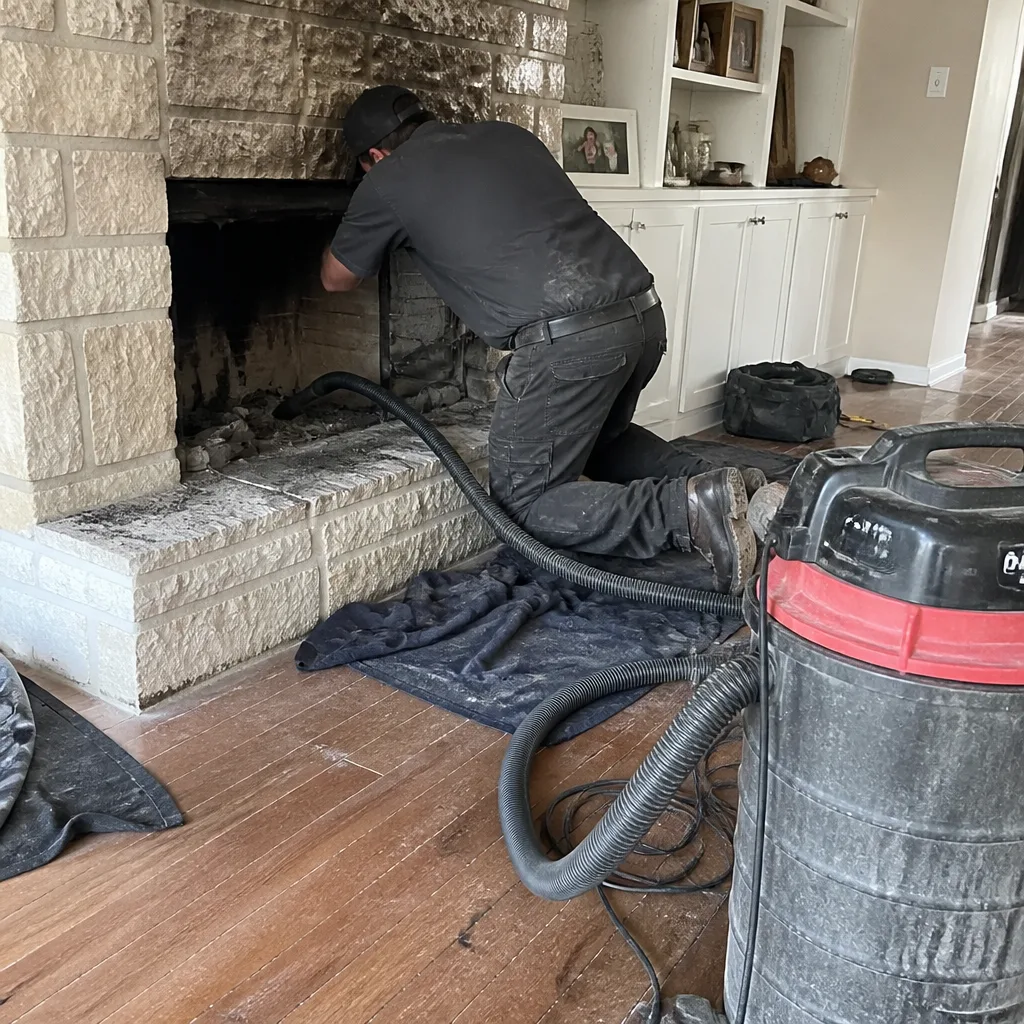 Before
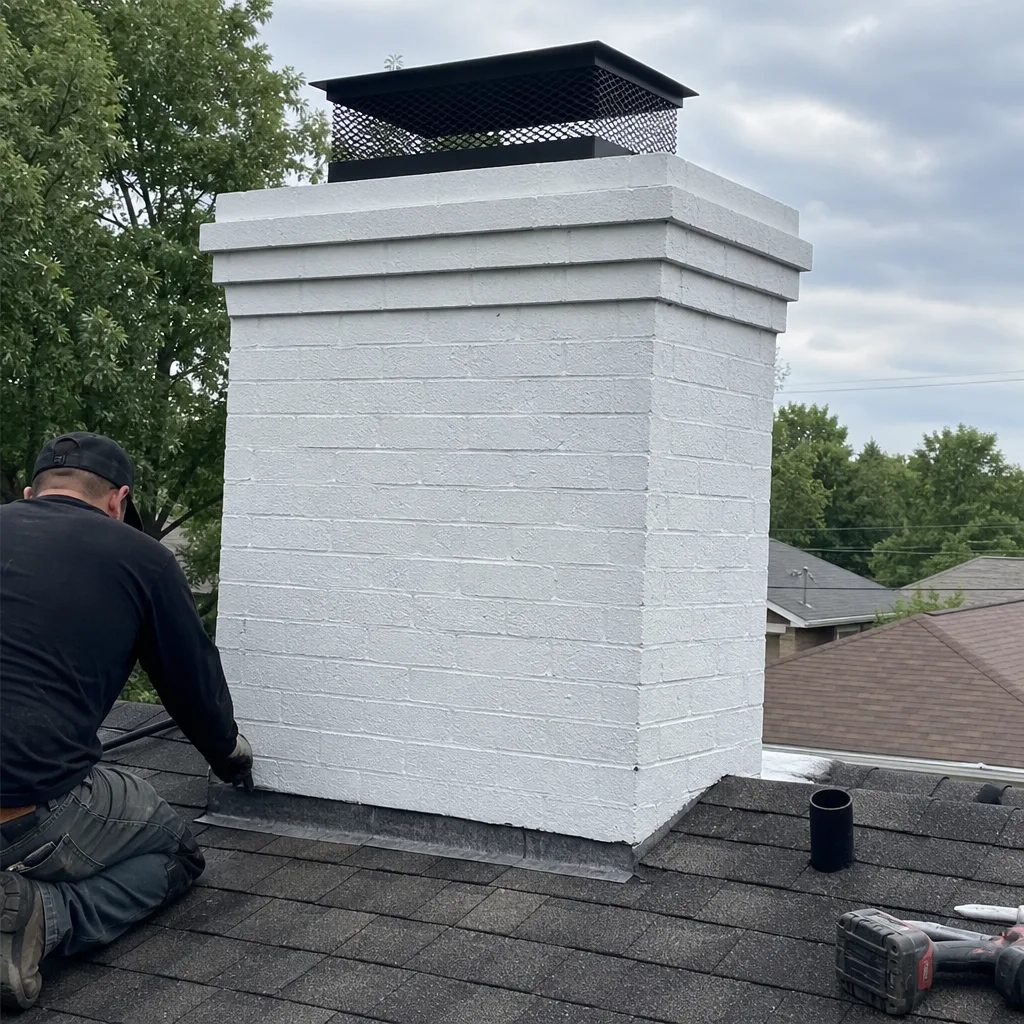 After
After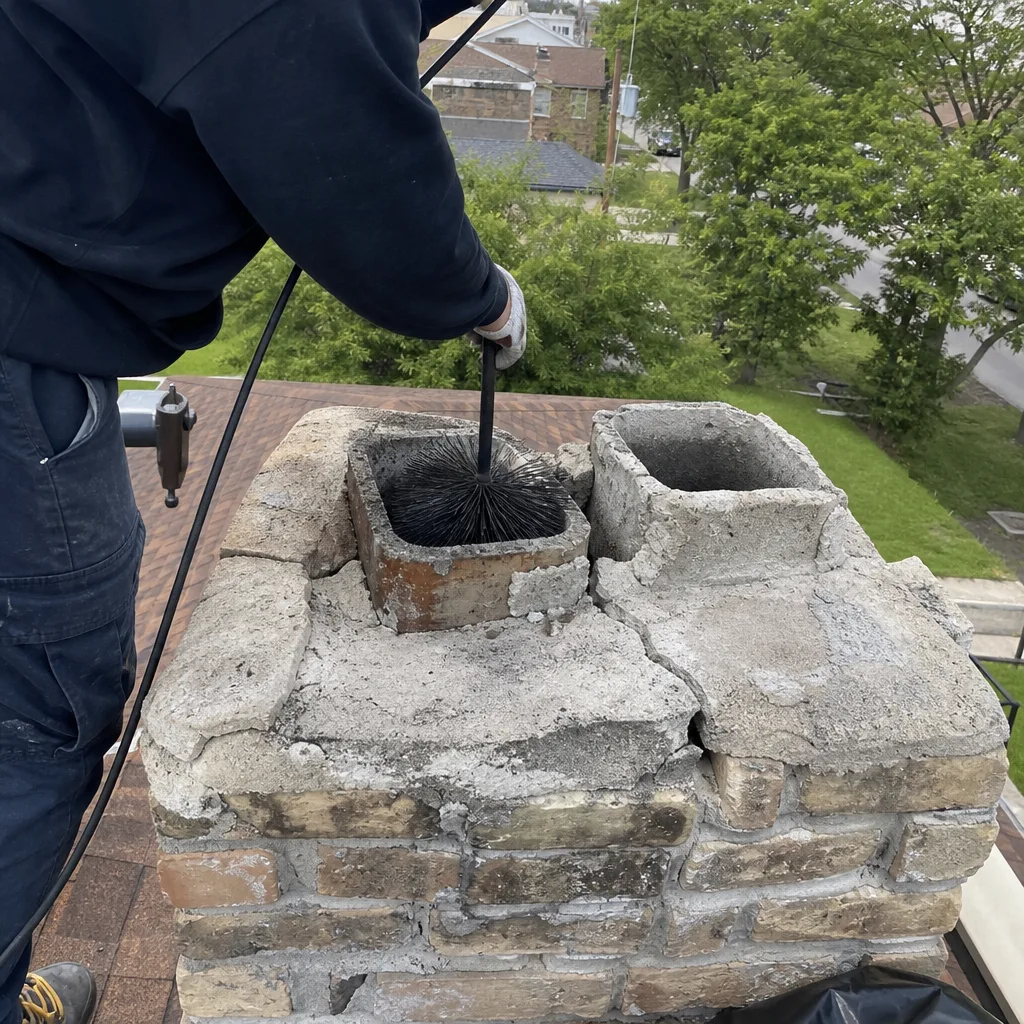 Before
 After
After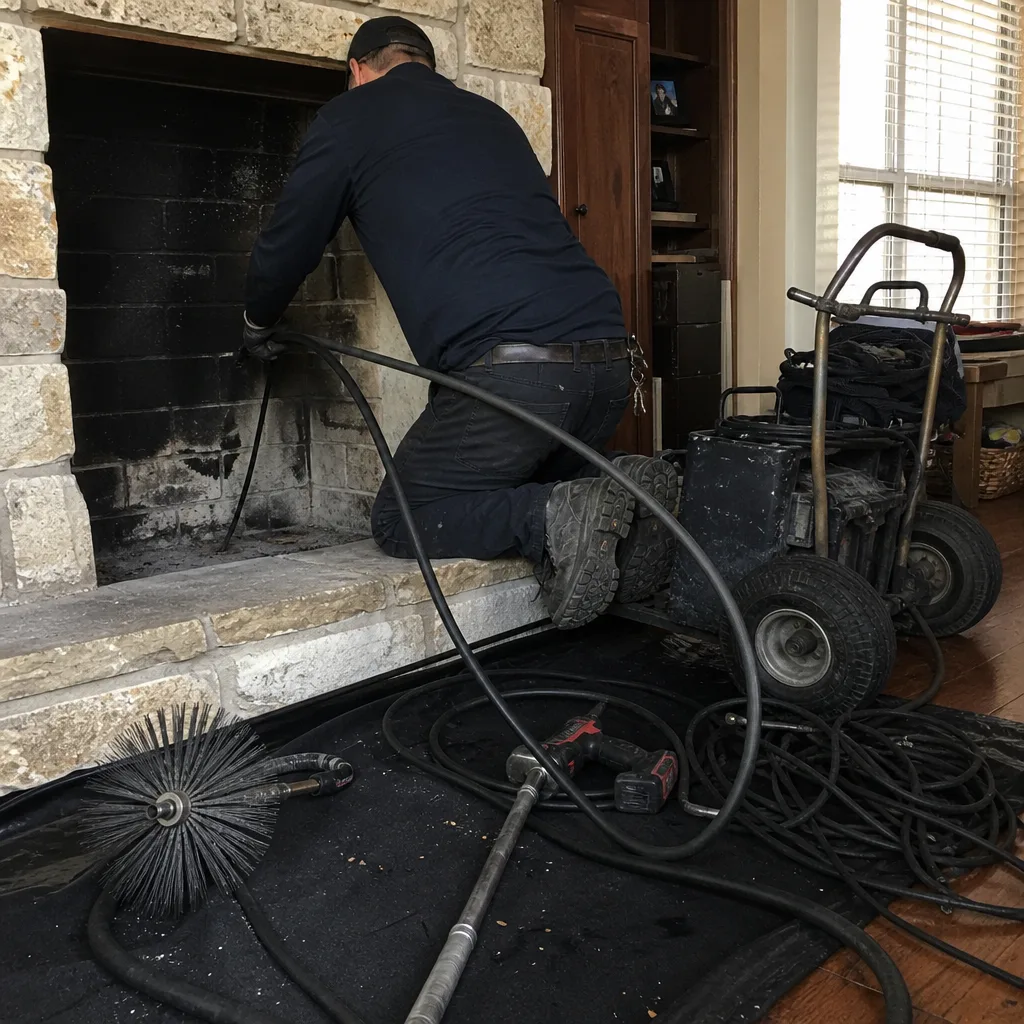 Before
 After
After